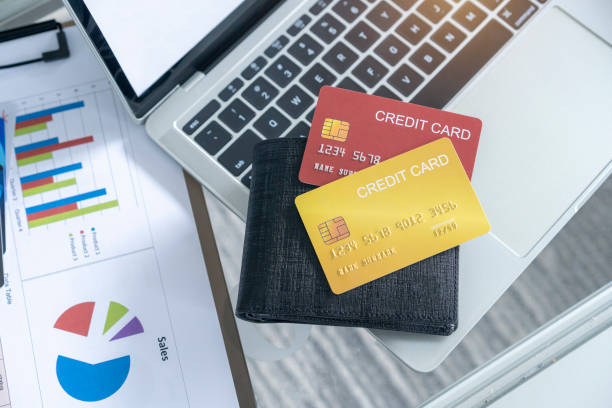

A lack of emergency funds is one of the most common reasons middle-class consumers turn to credit cards for expenses they never planned to borrow for. A car repair, a medical bill, a broken appliance, or a sudden cut in hours can create a financial problem that is stressful but manageable. Without savings set aside for surprises, that same problem often becomes a credit problem. The purchase goes on a card, the balance carries over, interest adds up, and the monthly payment competes with regular bills. What started as a temporary cash shortfall can turn into months of debt.
Emergency savings matter because they give you choices. When you have money set aside, you can pay for a surprise without changing your credit picture. You do not have to decide which card has room, which payment can wait, or whether a short-term loan is worth the fee. You can handle the problem and move on. When you do not have savings, credit becomes the default emergency plan. That is risky because credit is not really emergency money. It is borrowed money with a cost, and if you cannot pay it back quickly, the cost grows.
A small emergency fund can protect your credit in practical ways. If you use a credit card heavily compared with its limit, your credit score can drop even if you pay on time. A lower score can lead to higher interest rates on future loans, higher insurance costs in some states, and less room to negotiate. Carrying a balance can also make it harder to qualify for a mortgage or refinance a loan. The issue is not that credit cards are bad. The issue is relying on them for events you cannot predict. A cash cushion keeps a routine setback from becoming a long-term credit problem.
Many households feel they cannot save because regular expenses already take most of their income. The answer is usually not to wait for a perfect month. Start with a small goal that feels realistic, such as five hundred dollars or one week of essential expenses. Keep the money in a separate savings account so it is not mixed with spending money. Automate a transfer on payday, even if it is twenty-five or fifty dollars. Treat the account as insurance, not as extra spending money. Use it only for true emergencies, such as a necessary repair, a medical need, or a sudden loss of income.
It also helps to define what counts as an emergency before one happens. A sale on a television is not an emergency. A routine oil change is maintenance, not a surprise. A true emergency is an expense that is urgent, necessary, and unexpected. Having a simple rule makes it easier to leave the savings alone. If you do use the money, rebuild it as soon as you can. Even a small balance can prevent the next surprise from landing on a credit card.
Building emergency savings does not require a perfect budget. It requires a habit. Review fixed costs once or twice a year, such as subscription services, phone plans, and insurance. Put any raise or tax refund toward savings first. Sell items you no longer use. Take on occasional extra work if your schedule allows. The goal is not to create a large investment account. The goal is to create enough breathing room that a flat tire or a medical copay does not become a high-interest balance.
Credit can be a useful tool for planned purchases and convenience, but it should not be your only safety net. An emergency fund is a form of self-protection. It protects your budget, your peace of mind, and your credit score. You do not need a perfect fund to begin. You need a starting point, a separate account, and a clear rule for what counts as an emergency. A small cushion today can keep a short-term problem from turning into long-term debt tomorrow.