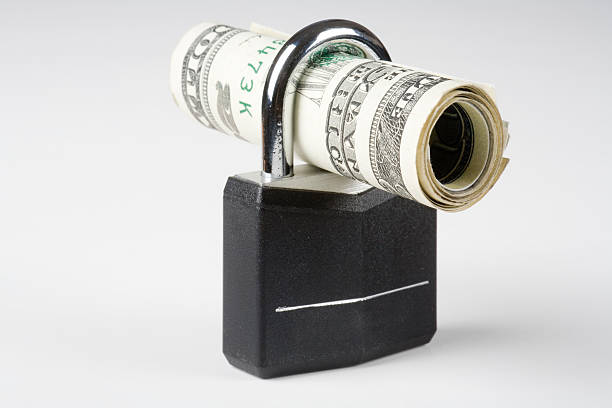
When you look at your credit report, you might notice that it lists different types of accounts. Some are credit cards, which let you borrow up to a limit and pay back over time. Others are loans, like a car payment or a mortgage, where you get a fixed amount and pay it back in monthly installments. This variety is what experts call your credit mix. While it is not the biggest factor in your credit score, it still matters. Lenders want to see that you can handle different kinds of debt, not just one. For many middle-class consumers who only have credit cards, adding a small personal loan to the mix can be a wise move.
Why credit mix matters might seem abstract, but think of it this way. If you were hiring a manager, you would prefer someone with experience in different areas over a person who has only done one thing. Credit is similar. A person who has reliably paid off credit card balances and also made regular loan payments shows a broader range of financial responsibility. Scoring models like the ones used by most lenders reward this kind of history. They see you as a safer bet. That is why someone with a credit card, an auto loan, and a student loan often has a higher score than someone with only credit cards, even if both have the same total debt and payment history. Your credit mix is worth about ten percent of your score, which may not sound like a lot, but when you are trying to move from a good score to a great one, every point counts.
For the middle-class consumer, the easiest way to add an installment loan to your credit mix is often a personal loan from a bank, credit union, or reputable online lender. These loans are usually unsecured, meaning you do not need to put up collateral like a car or a house. The amounts can be small, sometimes as low as a thousand dollars. The key is to treat this loan as a tool, not a gift. Borrow only what you can afford to repay comfortably. Many people use a personal loan to consolidate higher-interest credit card debt, which makes sense because the personal loan might have a lower rate. But even if you do not have high-interest debt, you could take a small personal loan for a specific purpose, like home repairs or a medical expense, and pay it back over a year or two. The loan gives you the cash you need while also adding a new kind of account to your credit history.
Yet you should never take out a loan just to improve your credit mix. That would be like buying a jacket you do not need just to have more options in your closet. The cost of interest and fees would outweigh any small credit score gain. Instead, look for a legitimate reason to borrow. If you need to replace a broken refrigerator, and your emergency fund is short, a small personal loan can solve that problem while also helping your credit. The same goes for a necessary dental procedure or a car repair. The loan does double duty: it covers an expense and diversifies your credit profile. And because you are borrowing for a real need, you are less likely to waste the money or take on more debt than you can handle.
When you do take a personal loan, the way you manage it is critical. Your payment history is the most important part of your credit score, so missing a payment on this new loan would hurt you more than the benefit of diversification. Set up automatic payments or reminders. Try to pay on time every single month. Also, do not close your credit card accounts after you get the loan. Instead, keep them open and use them occasionally, even if just for a small purchase you pay off in full. This way, you are building a positive history with both revolving accounts, like credit cards, and installment accounts, like the loan. Over time, your credit mix looks stronger, and your score should reflect that. Just remember that adding a new loan will cause a small temporary dip when the lender checks your credit, but that dip usually fades within a few months as you show reliable payments.
Of course, a personal loan is not the only option. Adding a car loan or a mortgage to your credit mix also works. But many middle-class consumers already have a car loan or mortgage. The personal loan is more accessible because it does not require a large down payment or a specific asset. You can often get approved with a modest credit history. Just be sure to compare offers. Look at the annual percentage rate, the fees, and the repayment term. A lower rate and a shorter term usually mean less interest paid, but make sure the monthly payment fits your budget. A small personal loan of two or three thousand dollars with a one-year term can be a manageable way to diversify without overextending yourself.
In summary, your credit mix is one piece of the larger credit puzzle. If you only hold credit cards, adding a small personal loan can give your score a gentle boost over time. The key is to do it for the right reasons, manage the loan responsibly, and avoid going into unnecessary debt. For the middle-class consumer who is already careful with money, a small personal loan can be a smart financial move that not only helps with a specific expense but also builds a more diverse credit profile for the future. Take your time, shop around, and choose a loan that makes sense for your situation. Your credit score will thank you later.