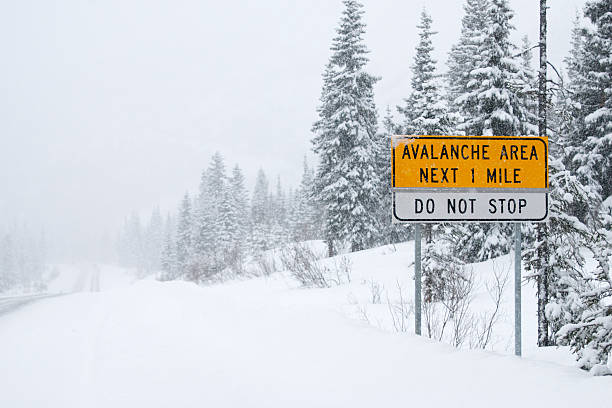
If you are carrying credit card balances, student loans, or a car loan, you have already felt the creep of interest. Each month you make a payment, but a chunk of that money just disappears into the lender’s pocket. The longer you pay, the more interest piles up. That is exactly why the debt avalanche method is not just a way to get out of debt—it is a powerful prevention strategy. By tackling your highest-interest debt first, you stop the thing that makes debt grow in the first place: compound interest working against you.
Most people think of prevention as avoiding new debt altogether. That is a good goal, but it is not realistic when you already owe money. The real prevention comes from making sure the debt you have does not balloon into something unmanageable. Every month you carry a balance, interest charges add to what you owe. If you pay only the minimum, those charges can double or triple your original balance over time. The debt avalanche method directly attacks this problem. You prioritize every extra dollar you can spare toward the debt with the highest annual percentage rate (APR). Once that one is gone, you move to the next highest, and so on.
Why does this prevent future trouble? Because high-interest debt is the most dangerous. A store credit card charging 28 percent APR will eat your payment much faster than a student loan at 5 percent. If you spread your payments evenly across all debts, you are letting that high-rate monster keep growing. With the avalanche, you kill it first. That means less total interest paid over the life of your debts. Less interest means you keep more of your own money. And that extra cash can be used to build an emergency fund, save for a house, or simply stop needing to borrow more.
Another preventive benefit is psychological. When you watch a high-interest balance shrink quickly, you feel momentum. That momentum keeps you motivated to stick with your plan. You avoid the trap of getting discouraged and giving up, which often leads people to take out new loans to consolidate or cover gaps. The debt avalanche prevents that cycle by giving you a clear, math-based roadmap. You know exactly where your money is going and why.
This method also forces you to become aware of your interest rates. Many people have no idea what they are paying. They just see a monthly payment and assume it is fine. But once you list every debt by its APR, you see the real cost. That awareness alone is a prevention tool. You will think twice before using a high-rate card again. You will start comparing rates before taking any new loan. The avalanche trains your brain to treat interest as the enemy, not just a number on a statement.
Of course, the debt avalanche method works best when you have a steady income and the discipline to make more than the minimum payments. If you are struggling to cover basic expenses, it might be hard to put extra money toward any debt. In that case, prevention means first stabilizing your cash flow—cutting expenses, finding side income, or negotiating with lenders. But once you have even a small cushion, the avalanche is the smartest use of that cushion. It prevents future interest from piling up, which is the whole point of a prevention strategy.
Some people argue that the debt snowball method—paying the smallest balance first—is better for motivation. And it can be, especially if you need quick wins to stay on track. But for pure financial prevention, the avalanche wins every time. It saves you the most money in interest. Money saved is money that stays in your pocket, available to prevent future debt. Think of it like insurance: you pay a little extra attention to the highest rate today so you do not have to pay a lot more tomorrow.
One practical tip: automate your extra payments. Set up an automatic transfer to the high-interest debt each month, even if it is just twenty dollars. That way you do not have to remember or rely on willpower. The system does the prevention for you. Over time, that small habit can shave months or even years off your repayment timeline.
The debt avalanche method is not flashy. It does not promise instant relief. But it is the most reliable way to stop your debt from getting worse while you work to eliminate it. By focusing on the highest interest rate first, you are targeting the very engine that makes debt multiply. That is prevention in its truest form: stopping the problem before it gets bigger. Next time you look at your credit card statement, ask yourself which rate is the most dangerous. Then put your money there. Your future self will have less debt, less stress, and more freedom.