You have probably done this. You see a jacket, a gadget, or a dinner out. You know you should not spend the money. But you tell yourself you will pay for it later. So you swipe your credit card. That small moment of pleasure feels great. The later cost feels far away. This is not a lack of willpower. It is the way your brain is wired.
Behavioral economists call this present bias. It means we tend to put much more weight on what happens right now than on what happens in the future. A fifty dollar purchase today feels concrete. That same fifty dollars paid next month feels abstract. When the future finally arrives, we often push it back again. This is one reason why many middle-class consumers carry balances on their credit cards, even when they could afford to pay them off.
Credit card companies understand present bias very well. They design their statements to help you ignore the future. The minimum payment appears in large print. The full balance sits in smaller type. You earn rewards for spending, like cash back or points, which makes swiping feel like a smart move. These features are not accidental. They lean into our natural tendency to favor what is right in front of us.
Think about what happens when you get an unexpected expense, such as a car repair or a medical bill. If you put it on a credit card, you feel immediate relief. The problem is solved for today. But interest begins to pile up. And because you already feel stressed, you might buy a coffee or a meal out to comfort yourself. That adds even more to the card. Each swipe pushes the eventual payoff further away.
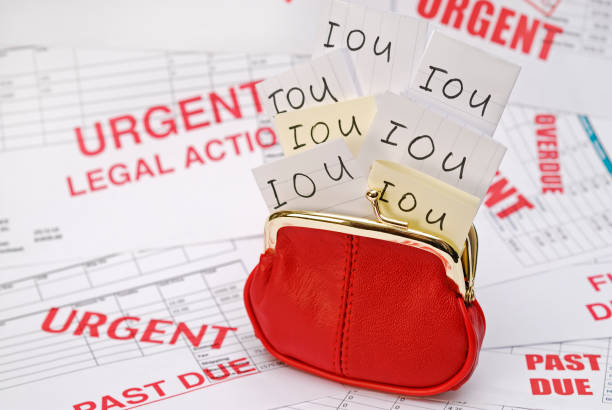
Present bias also shows up when you skip a payment. You know late fees apply. You know your interest rate may jump. But the hassle of logging in and paying today feels bigger than a penalty that is still a week away. So you wait. Then you pay late. The fee is not enormous, but repeating that pattern turns into a habit. Over a year, those late fees and higher interest costs take a real bite out of your budget.
The good news is that you can fight present bias. You do not need to become a financial expert. You need to use systems that work with your brain, not against it. One powerful method is to automate your payments. Set up your credit card to pay the full balance automatically each month. If full payment is not possible, set a fixed amount that is much higher than the minimum. This turns a hard choice into something that just happens. You no longer have to rely on your future self to remember or to act.
Another approach is to make the future feel more real. Before you buy something on credit, ask yourself: would I still pay for this if the money came out of my checking account today? If the answer is no, put the card away. This simple question uses present bias in reverse. It forces you to compare the immediate pleasure of the purchase with an immediate loss, rather than a distant one.
You can also reframe your debt in smaller, more concrete pieces. Instead of saying you owe two thousand dollars, think about it as two hundred dollars a month for a year. Once you see the monthly impact, the cost feels actual and urgent. That shift in perspective often motivates you to pay down the balance instead of adding to it.
Perhaps the most effective trick is to add friction between you and an impulse purchase. Remove your saved credit card number from online stores. Delete the one tap payment apps from your phone. Keep your card in a place that is not easy to reach, like a drawer at home. When you have to get up, find the card, and type in the number, you give your present biased brain a moment to pause. That single moment is often enough for your wiser self to step in.
You can also use a mental accounting trick. Create a separate checking account for fun spending, and move a small amount into it each week. Use that account for impulse purchases. When the money is gone, the spending stops. This keeps your credit card for planned expenses or true emergencies, not for every passing desire. Over time, you will notice that the things you almost bought with a swipe are the same things you would not have missed.
Finally, remember that your future self is just as human as you are today. You will not become a perfect budgeter overnight. So plan for that weakness. Set reminders on your phone several days before a payment is due. Make a rule that any purchase over one hundred dollars requires a twenty four hour waiting period. These small rules help you act more like the person you truly want to be, rather than the person who lives only for this moment.
Present bias will not disappear. But you can outsmart it. Every time you choose to pay down a card or delay a purchase, you are exercising a mental muscle. Over time, that muscle grows stronger. You will build better credit, carry less stress, and feel more in control of your money. The future self you often ignore is the one who thanks you most.