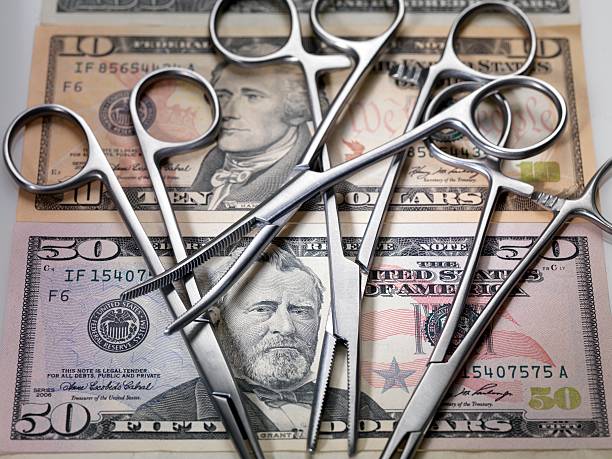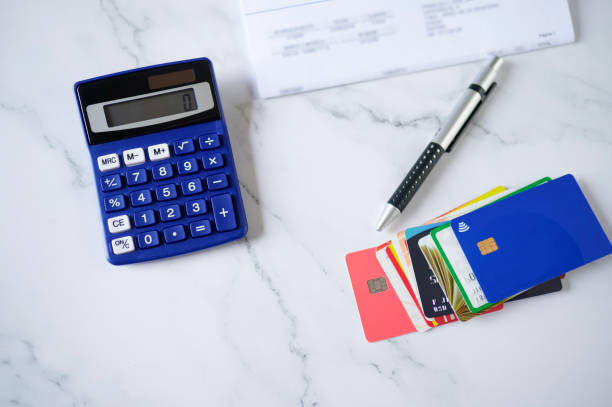
The average middle-class household loses hundreds of dollars every month to purchases that were never planned. Not the big bills like rent or car payments, but the smaller ones that feel harmless in the moment. A new gadget at the electronics store. A pair of shoes that look great under the store lights. A dinner out that somehow costs twice what you expected. Each one seems reasonable at the time, but they add up quickly. By the end of the month, you wonder where your paycheck went, and you’re reaching for a credit card to cover the gap. That’s how debt starts. Not with one huge mistake, but with a long series of small ones.
The good news is that you can stop this pattern without giving up fun or becoming cheap. The key is to introduce a pause between the moment you want something and the moment you pay for it. A simple rule works well for most people: if an item costs more than fifty dollars, do not buy it today. Instead, give yourself at least twenty-four hours to think it over. That’s it. No complicated budgeting system. No app that tracks every penny. Just a pause.
Why does this work? Because most impulse purchases are driven by emotion, not by logic. When you see something new, your brain releases a small hit of dopamine. You feel excitement and anticipation. In that state, you can convince yourself that you really need the item, that it will solve a problem, or that you deserve it after a long week. But that feeling fades. After a good night’s sleep, the same item often looks less appealing. You might realize that you already have something similar. Or that the purchase would push you over your monthly limit. Or that you only wanted it because the store display made it look better than it actually is.
The twenty-four hour rule works especially well for online shopping, where the entire process is designed to be as frictionless as possible. One click and the item is yours. No time to reconsider. But if you force yourself to add it to your cart and then close the browser, you give your rational mind a chance to catch up. Wait until the next day. Open the cart again. Ask yourself one honest question: would I still want this if I had to pay cash right now, with no credit card? If yes, and if you have the money saved, then go ahead. If no, delete it and move on. You will be amazed at how quickly most items disappear from your cart.
This rule also changes how you feel about spending in general. When you start pausing before purchases, you become more aware of where your money actually goes. You might notice that you spend a lot on convenience foods because you are too tired to cook. Or that you buy new clothes every season even though your closet is full. That awareness is the foundation of conscious spending. It’s not about denying yourself everything. It’s about making sure that every dollar you spend is a dollar you chose to spend, not one that slipped away because you weren’t paying attention.
There is a deeper benefit beyond saving money. When you stop making impulsive purchases, you stop using credit cards for things that don’t matter. That means your balances stay lower, your interest charges shrink, and your credit score has a much better chance to stay healthy. Many people don’t realize that their credit utilization ratio – the amount they owe compared to their available credit – is one of the biggest factors in their score. Every random purchase you make with a card pushes that ratio up, even if you pay it off later. Reducing those small purchases makes a real difference.
You don’t need to overthink this. The rule is simple: over fifty dollars, wait a day. Under fifty dollars, you still need to be careful, but those purchases rarely wreck your budget. The real damage comes from the medium-sized things you buy without thinking. A new video game console. A kitchen appliance you’ll use twice. A pair of concert tickets that seemed like a good idea after a few drinks. Give yourself a night to sleep on those. In the morning, you’ll often find that the urge has passed. That’s not a loss. That’s a win for your bank account, your credit, and your peace of mind.
Try it for one month. Every time you want to buy something that costs more than fifty dollars, write it down or put it in your phone. Then wait twenty-four hours. At the end of the month, count how many items you still wanted after the pause. Most people find that they only truly wanted about a third of them. That means you just saved yourself two-thirds of your impulse spending. Put that saved money toward a debt payment or an emergency fund. That is the most practical way to prevent credit problems before they start. Conscious spending is not about being perfect. It’s about being deliberate. And a single night of sleep is all it takes to turn a reaction into a decision.