Imagine you are driving down the highway and your tire blows out. You have no spare, no roadside assistance, and only forty dollars in your checking account. You call a tow truck, but the tow costs more than you have. So you put it on a credit card. Then the repair shop tells you the tire is gone and you need two new ones. Another four hundred dollars. On the credit card again. A few weeks later you get the statement. You cannot pay the full balance. You pay the minimum. Interest starts piling up. That single flat tire just turned into a debt that will take you a year to pay off, and it cost you far more than the tires ever did.
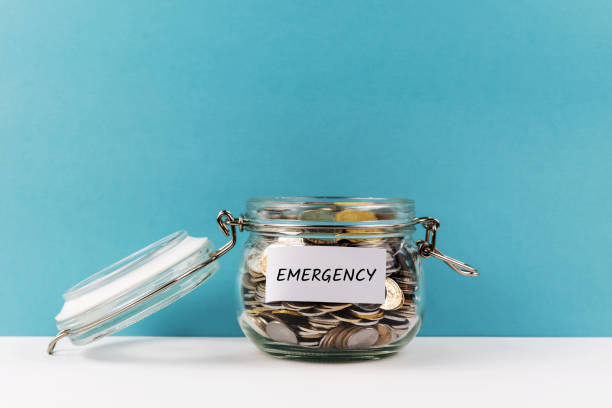
This is how most middle-class consumers slide into credit trouble. It is almost never a single bad decision. It is a series of small emergencies that get charged to plastic because there is no cash cushion to absorb them. The best way to protect your credit score and your financial future is not a fancy budgeting app or a debt consolidation loan. It is a plain, boring emergency fund. A savings account that you never touch except for real emergencies. That fund is your first and most powerful prevention strategy.
An emergency fund does not need to be huge. For most middle-class households, a good target is three to six months of basic living expenses. But let us be honest. Three months of rent, food, utilities, and insurance might feel impossible when you are already living paycheck to paycheck. That is okay. You do not have to get there overnight. The important thing is to start. Even five hundred dollars makes a difference. A five hundred dollar emergency fund will cover a minor car repair, a prescription you did not plan for, or a late utility bill that would otherwise trigger a shutoff notice and a reconnect fee. That is five hundred dollars you will not have to put on a credit card. And every dollar you do not put on a credit card is a dollar you do not pay interest on later.
The psychology of an emergency fund matters as much as the math. When you have cash set aside for surprises, you stop treating your credit card as a safety net. You start treating it as a tool for convenience and rewards, not for survival. That shift in mindset is huge. Too many middle-class consumers use credit cards exactly backward. They use them for emergencies and pay them off slowly with interest. Then they use them for everyday purchases and try to pay them off each month. The goal should be the opposite. Use the card for everyday spending only if you can pay it in full. Never use it for emergencies if you can avoid it. Your emergency fund makes that possible.
How do you build an emergency fund when your budget is tight? Start with small, automatic transfers. Set up a recurring transfer from your checking account to a savings account on the same day you get paid. Even twenty dollars a week adds up to over a thousand dollars in a year. Do not wait until the end of the month to see what is left. That almost never works. Automate it. Treat that transfer like a bill you cannot skip. If you get a tax refund, a bonus at work, or a cash gift, put half of it into the emergency fund before you spend a dime on anything else. The key is to make the process as frictionless as possible.
Another common trap is confusing an emergency fund with a vacation fund or a new TV fund. Keep your emergency money separate. Do not put it in the same account you use for daily spending. Open a different savings account, preferably one that is not linked to your debit card. Out of sight, out of mind. That way you will not be tempted to dip into it for a sale at the electronics store. Label the account something like “Rainy Day Only” or “Do Not Touch.“ It sounds silly, but that psychological boundary works.
Once you have built up a small emergency fund of, say, one thousand dollars, you will notice something. Your credit utilization ratio will start to improve. That is the percentage of your available credit that you are using at any given time. When you stop charging unexpected expenses, your balance stays low. A low utilization ratio is one of the fastest ways to boost your credit score. So your emergency fund actually helps your credit in two ways. It prevents late payments and defaults, and it keeps your revolving balances low. That is a double win.
Do not worry too much about earning interest on the emergency fund. The purpose is not to make money. The purpose is to protect you from losing money to credit card interest, late fees, and overdraft charges. A typical credit card annual percentage rate is between twenty and thirty percent. The average emergency fund savings account pays less than one percent. You are not trying to earn money on the fund. You are trying to avoid paying twenty times that in interest when you have a crisis. That trade-off is extremely favorable.
Finally, remember that an emergency fund is not a sign that you are pessimistic. It is a sign that you are prepared. Life will throw surprises at you. The car will break. The water heater will leak. You will get a medical bill you did not expect. The only question is whether those surprises will become debt or just inconvenient expenses. With an emergency fund, they become inconveniences. Without one, they become payments you make for years. Building that fund is the single most effective prevention strategy for protecting your credit and your peace of mind.