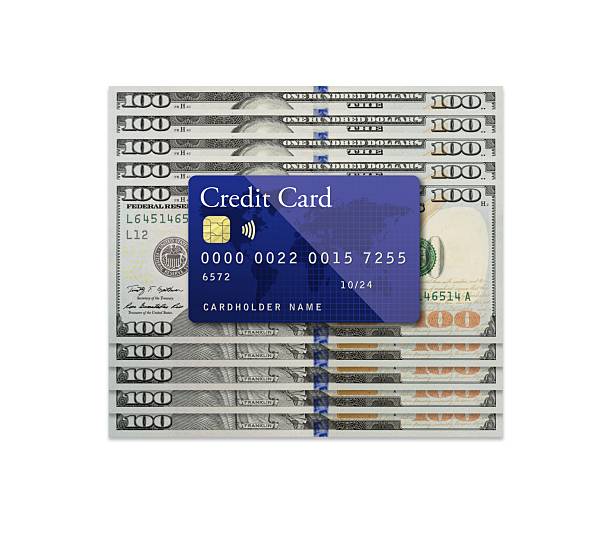
In your twenties, the credit card is the most powerful financial tool you will likely encounter. It can open doors to lower interest rates on a car loan, an approved apartment lease, or even a better job offer. It can also bury you in high-interest debt before you turn thirty. The difference comes down to understanding two things: credit utilization and the habit of paying your balance in full. Let’s talk about how to make the card work for you—not the other way around.
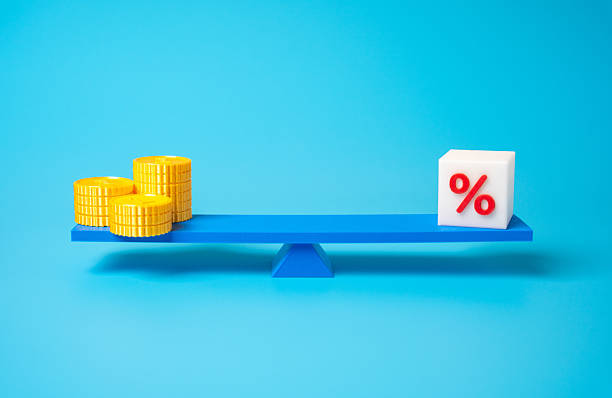
First, you need to understand what a credit score actually measures. Credit scoring models like FICO look at five main factors, but for someone in their twenties, two matter most right now. The first is payment history. That simply means paying at least the minimum amount due on time every single month. One late payment can drop your score by 50 points or more. The second factor is credit utilization, which accounts for about a third of your score. Utilization is the percentage of your total available credit that you are using. If you have a card with a $1,000 limit and you charge $300, your utilization is 30%. Above 30% starts to hurt your score. Above 50% is a red flag to lenders. The best utilization for a high score is under 10%.
Why does this matter now? Because your twenties are when you establish your credit history. The length of your credit history is part of the score, and the oldest account stays on your record for ten years after you close it. So the card you get today will influence your credit file for a decade or more. That means you want to open a good account early, keep it open, and use it responsibly.
Let’s get practical. You have choices for your first card. If you have no credit history, you may need a secured card. That is a card where you put down a cash deposit, usually $200 to $500, and that becomes your credit limit. After six to twelve months of on-time payments, most issuers will return your deposit and convert the card to an unsecured card. This is a safe way to build a foundation because your risk is limited to the deposit. Another option is a student credit card if you are in college. These often have lower limits and come with educational tools. Avoid store cards for now. They usually have high interest rates and low limits, and they can tempt you into buying things you do not need.
Once you have the card, create a simple system. Treat the card like a debit card. Only charge what you can pay for with cash in your checking account right now. That means no charging for a vacation you will pay off over three months. No buying a new laptop with money you expect to earn next month. The only exception is a true emergency, such as a car repair that is cheaper than an Uber every day. But even then, you should have a small emergency fund of $1,000 to cover that. If you do not have that yet, build it before you use the card.
Set up autopay for the full statement balance each month. If you cannot afford to pay the full amount, you are spending too much. Interest on credit cards averages 20% to 25% annually. Carrying a $500 balance for a year will cost you more than $100 in interest. That money could be going into a retirement account or a down payment fund. Do not let the bank take it.
Also, keep an eye on your credit utilization. If your limit is $1,000, try to keep your monthly charges under $300. Better yet, if you can pay your card off every week, do that. Some people worry that paying early will hurt their score. It does not. The credit card company reports your balance to the credit bureaus usually once a month, on your statement date. If you pay down the balance before that statement cuts, your reported utilization will be low. That boosts your score.
One more thing: never close an old card unless it has an annual fee that is not worth the benefits. The age of your oldest account helps your score. If you close it, that history eventually drops off. Instead, keep the card open and use it once every few months for a small purchase like a cup of coffee, then pay it off. That keeps the account active and your credit file healthy.
Your twenties are a time of experimentation, but your credit score is not something you want to experiment with. Use the card to build a track record of reliability. Every on-time payment and every low utilization report is a brick in the foundation of your financial life. In ten years, when you want to buy a house, that foundation will determine whether you get the best mortgage rate or whether you pay an extra $200 per month for thirty years. Start building it right now.