You get a promotion. Your monthly take-home pay jumps by an extra five hundred dollars. For the first week, you feel smart, secure, even a little bit flush. Then you start thinking about your car. It runs fine, but it is getting older. That new model from the dealership has leather seats, a better sound system, and a monthly payment that seems perfectly doable now that you have more income. You sign the papers. You drive off the lot feeling like you have earned it. And you have just walked into one of the most common traps of lifestyle inflation.
Lifestyle inflation is what happens when your spending rises to meet your new income, rather than allowing that income to build real financial stability. For middle-class consumers, a car upgrade is often the first and most dangerous trigger. It feels like a reward for hard work. But the mechanics of how that new car payment affects your credit are subtle, slow, and surprisingly powerful.
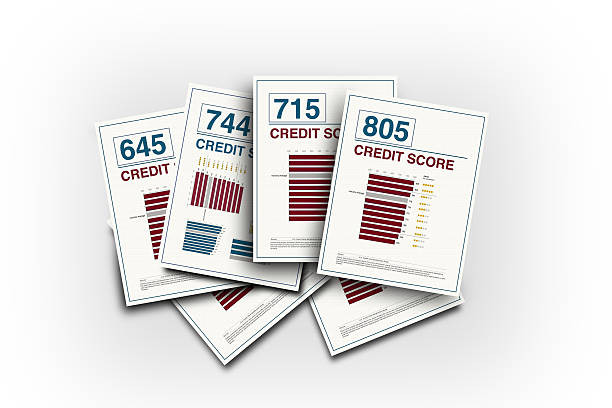
When you add a larger car payment to your monthly obligations, you increase your debt-to-income ratio. This is the number lenders look at when they assess whether you can handle new credit. A high debt-to-income ratio signals that you have less room for unexpected expenses. More importantly, that monthly payment is a fixed cost that does not flex. It comes out of your budget every single month, rain or shine. If you have a slow month with freelance work, a medical bill, or a home repair, that car payment does not go away. You might cover it by putting groceries on a credit card. Suddenly, revolving credit card debt starts to climb. As that balance goes up, your credit utilization ratio goes up as well. That is the percentage of your available credit that you are actually using. Credit scoring models heavily penalize high utilization. A car upgrade that felt like a small, reasonable expense can quietly push your credit utilization above thirty percent, which is the threshold where scores start to drop.
The problem goes deeper than just the payment itself. A nicer car often comes with higher insurance premiums. Premium coverage for a financed luxury vehicle costs significantly more than basic liability on an older sedan. That eats more of your monthly cash flow. Then there are maintenance costs. Newer cars with advanced electronics, special tires, and dealer-only parts are more expensive to repair. You might decide to skip an oil change or a tire rotation to save money. That can lead to bigger problems later, but the immediate effect is that you have less free cash to put toward paying down credit card balances or building an emergency fund.
Without an emergency fund, any financial hiccup becomes a credit crisis. The most common trigger for a late payment is a simple cash flow shortage. You have the money in your account, but not on the day the bill is due. That one late payment can stay on your credit report for seven years. And when you are stretching your budget to cover a car payment, that risk multiplies. Every month, you are one small disruption away from a thirty-day late.
There is also a psychological component. Lifestyle inflation from a car upgrade often leads to other spending changes. You might start driving to places you used to walk or take public transit. You might eat out more because the car feels nicer to take to dinner. You might feel pressure to dress better to match the car. Each of these small increases compounds. Soon, the entire five hundred dollar raise is spoken for, and you are actually living paycheck to paycheck on a higher income. That is the cruel irony of lifestyle inflation. You have more money, but less breathing room.
The credit damage here is not immediate. It is cumulative. Your score will not drop the day you drive the car off the lot. But over the next twelve to eighteen months, your utilization creeps up, your debt-to-income ratio stays high, and your savings remain flat. When you eventually apply for a mortgage or a personal loan for a necessary expense, the lender sees a profile of someone who is stretched thin, even if you make a good salary. They may offer you a higher interest rate or deny you altogether.
The way to avoid this trap is to separate the decision to upgrade from the timing of a raise. Wait at least six months after your income increase before making any large purchase. Let the new normal settle. In that time, direct the extra money toward paying off existing credit card debt or building a three-month emergency fund. Then, if you still want the car, you will be buying it from a position of strength, not impulse. Your credit will thank you, and you will keep the feeling of financial freedom that the raise was supposed to provide.