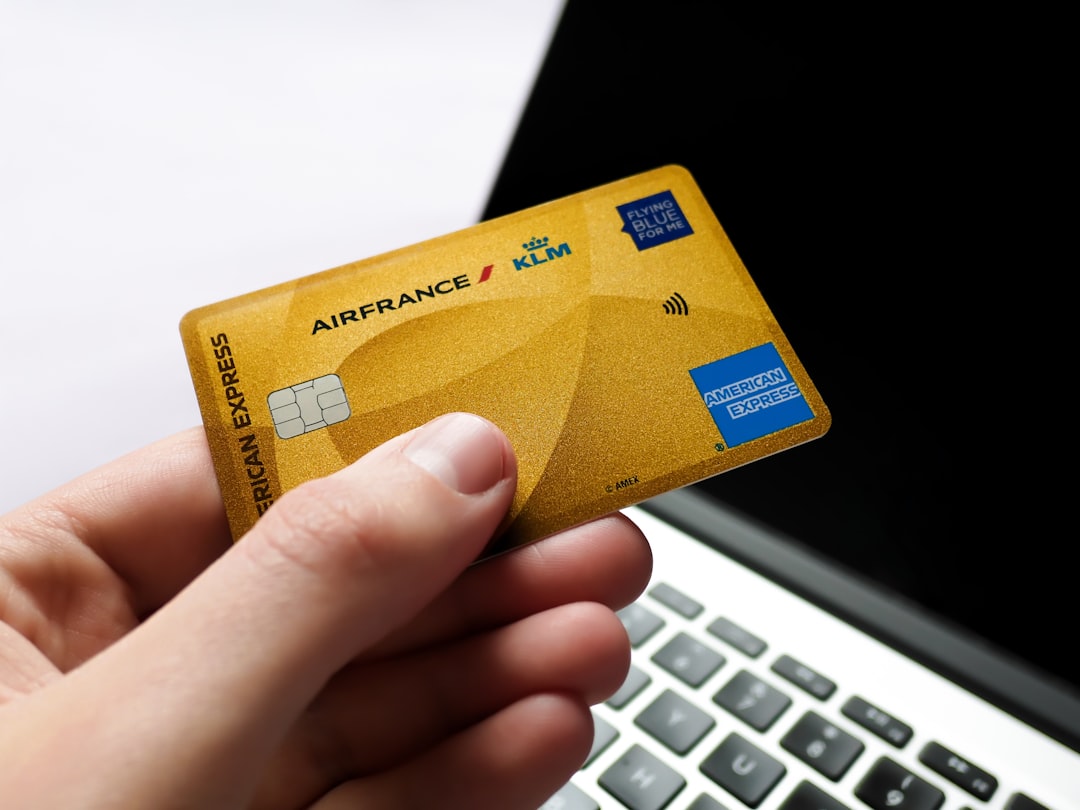
A budget is often treated like a strict rulebook: spend this much here, never spend more there, and feel guilty when real life gets in the way. For people managing credit, that approach can backfire. Credit cards are useful tools, but they make it easy to spend money you have not yet earned. A flexible budget works better because it plans for ordinary surprises, protects the money you need for bills, and keeps credit card balances from becoming a long-term problem.
Start with the money that must leave your account each month. Rent or mortgage, utilities, insurance, groceries, transportation, minimum loan payments, and minimum credit card payments come first. These are not optional. Write down the amounts and due dates. If your income changes from month to month, use a low estimate for income and a high estimate for required bills. That may feel conservative, but it gives you room to adjust. A budget that assumes everything will go perfectly is fragile. A budget that expects some variation is more likely to survive.
Next, separate needs from wants without pretending wants do not matter. Most people can cut back, but a budget that allows no restaurant meals, treats, or fun will usually fail. Instead, set aside a modest amount for flexible spending. The key is to decide the amount before you use the credit card, not after the statement arrives. Planning forty dollars for takeout is different from discovering a forty-dollar charge later and trying to fit it into a budget with no space. Credit card spending feels less painful at the moment because no cash leaves your hand. A flexible budget makes the trade-off visible.
Then build a small buffer for irregular costs. Car repairs, school supplies, prescriptions, birthdays, and home fixes do not arrive on a neat schedule. If every dollar is assigned to a regular bill, the next surprise may go on a credit card. You do not need a perfect emergency fund to improve your situation. Even a modest buffer can keep a minor problem from becoming debt. Treat the buffer as a regular budget category, just like groceries. When you use it, refill it as soon as you can. This habit reduces the number of times you reach for credit because you feel caught off guard.
Pay attention to the timing of your bills and your income. A budget can look balanced on paper but still fail if most bills are due before your paycheck arrives. If possible, ask companies to change due dates, or set aside money from an earlier paycheck for later bills. This is especially important with credit cards. Missing a due date can lead to a late fee and a higher interest rate. A simple calendar or reminder can help, but the real fix is matching money to dates. When timing is under control, you are less likely to use one card to cover another bill and start a cycle that is hard to stop.
Use your credit card statement as a budget check, not a surprise. Once a week, look at your card activity and compare it with your plan. Ask: if I keep spending this way, can I pay the full balance when the bill comes? If the answer is no, adjust now. You do not have to wait for the statement. Small changes early are easier than large changes later. Paying the full balance each month is the cleanest way to use credit, but if you cannot, pay more than the minimum and stop adding new charges. A flexible budget shows the difference between a temporary slip and a pattern that needs attention.
Review the budget at the end of each month without judgment. Look at what worked, what went over, and why. Maybe groceries cost more because you hosted family. Maybe you used the card for gas because the buffer was empty. The goal is not a perfect month. The goal is a plan you can follow in real life, one that keeps credit available for convenience and emergencies rather than filling gaps in a budget that was never realistic. A flexible budget gives you control over small decisions before they turn into expensive credit card debt.