If you have ever looked at your credit card statement and wondered where the money went, you are not alone. Many middle-class consumers carry balances month to month not because they are reckless, but because they have never connected their daily spending habits to their long-term credit health. The link between a personal budget and credit management is simple: a budget tells your money where to go, so your credit card does not have to guess. Without a budget, credit becomes a crutch. With one, it becomes a tool you control.
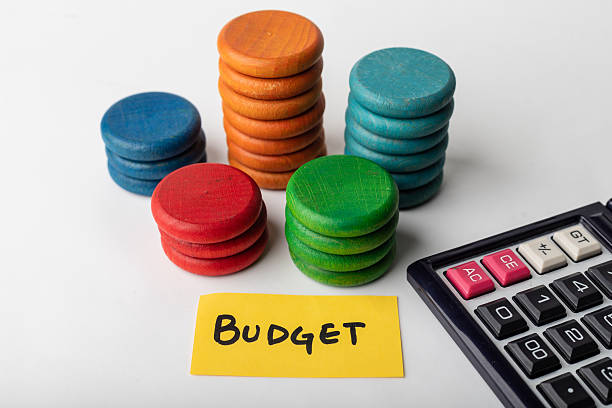
Think of a personal budget as a roadmap for every dollar you earn. When you know how much is coming in and, more important, where it needs to go, you remove the guesswork from spending. That guesswork is what leads to overspending on small, everyday purchases that quietly add up. A coffee here, a lunch out there, a streaming subscription you forgot about. These expenses do not feel like big decisions in the moment. But when you pay for them with a credit card and do not pay off the balance, interest charges start to pile up. Over time, that single cup of coffee costs double or triple its original price. A budget helps you see these leaks before they become debts.
One of the biggest reasons people fall into credit card debt is that they treat credit limits like extra income. A credit card with a ten-thousand-dollar limit does not mean you have ten thousand dollars to spend. It means the bank is lending you that money, and they expect it back with interest if you take too long. A personal budget makes this distinction clear. When you assign every dollar a job — rent, groceries, utilities, savings, and a reasonable amount for fun — you realize that credit is not part of your income. It is a backup for emergencies or planned purchases you can pay off within the same billing cycle. If you treat your budget as the rule and your credit card as a payment method that follows the rule, you will rarely carry a balance.
Another practical benefit of a budget is that it forces you to confront your fixed expenses. Many middle-class consumers are surprised to learn how much of their monthly income goes to subscriptions, insurance, and loan payments. When you list them all in a budget, you can see if any are unnecessary or can be reduced. That freed-up cash can go toward paying down existing credit card debt or building an emergency fund. An emergency fund is the single best defense against new credit card debt because it covers unexpected car repairs or medical bills without needing to charge them. If you have a budget that includes a small monthly contribution to that fund, you gradually build a cushion that prevents your credit score from taking a hit when life happens.
Budgeting also improves your credit utilization ratio, which is a major factor in your credit score. Utilization measures how much of your available credit you are using at any given time. A good rule is to keep it below thirty percent. If you have a five-thousand-dollar credit limit, you want to owe less than fifteen hundred dollars at the end of the month. Without a budget, it is easy to let charges creep up to two thousand or three thousand dollars before you realize it. With a budget, you plan your spending so that your credit card balance stays within that safe zone. You might even set a personal limit lower than the bank’s limit, based on what your budget says you can pay off in full each month.
The act of tracking your spending is also valuable for your mindset. Many people avoid looking at their finances because they fear what they will find. A budget removes that fear. When you check your budget weekly, you see exactly where you stand. If you overspent on dining out, you see it right away and can adjust before the credit card bill arrives. This habit turns credit from a source of anxiety into a predictable part of your financial life. Over time, you build confidence in your ability to handle money, which helps you resist the temptation of minimum payments and new cards.
Finally, a budget helps you plan for the future without sacrificing today. Middle-class consumers often feel trapped between paying down debt and enjoying life. A good budget includes a line for fun — a reasonable amount you can spend guilt-free. When you know you have that money set aside, you can use your credit card for the purchase and pay it off immediately, earning rewards or cash back without paying interest. That is the sweet spot of credit management: using the card for its benefits while keeping your budget in control.
In short, a personal budget is not about restriction. It is about clarity. When you see your income, your necessary expenses, and your goals all on one page, you stop treating credit like a safety net for bad habits. Instead, it becomes a tool that works for you, not against you. Every dollar you budget today is a dollar you do not have to borrow tomorrow. And every month you stick with it, your credit score gets a little stronger.