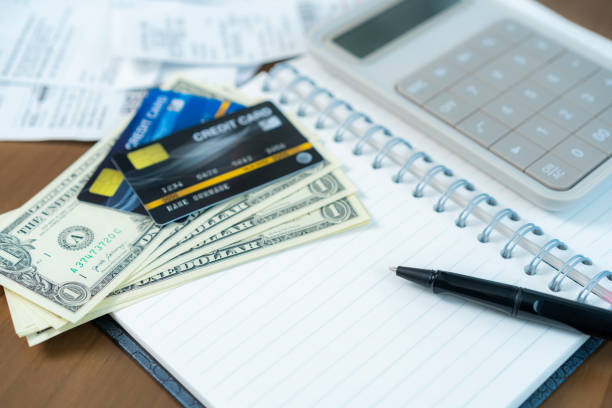

When a car repair, medical bill, or home repair hits a middle-class household with little savings, credit cards often become the emergency fund. But using credit as emergency savings has a cost that can linger. Lack of emergency funds is one of the most common contributing factors to credit problems. It means the monthly budget already absorbs most income, leaving no cushion for surprises. Without a cushion, even a modest event can trigger a balance carried month to month.
The first problem is timing. Emergencies rarely wait for payday or a tax refund. A $1,200 transmission repair or a $900 emergency room visit may arrive the same week as the mortgage and groceries. If the savings account has $300, the credit card is the only option. The charge may be manageable, but carrying a balance means interest starts adding up. At typical credit card rates, a $1,500 balance can grow by $20 to $30 per month just in interest. If only the minimum payment is made, most of the payment goes to interest, not principal. The debt becomes sticky.
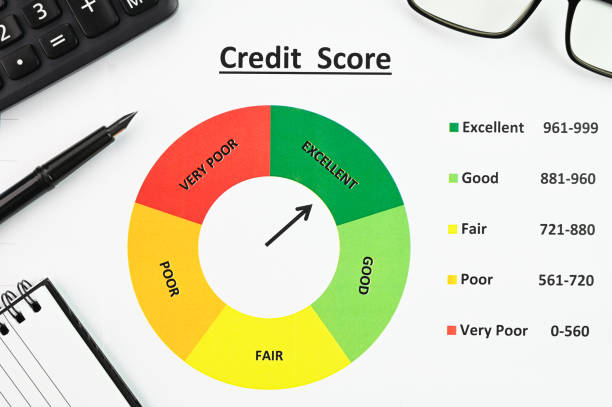
Then there is the monthly payment squeeze. Once an emergency charge becomes a monthly obligation, the budget gets tighter. The minimum payment competes with utilities, insurance, child care, and gas. The household may start using credit for regular expenses too, because cash is short. Groceries go on the card one week; the next week auto insurance goes on the card. This is how a single emergency can turn into a pattern. The card stops being a convenience and becomes income replacement. Balances rise, credit utilization climbs, and credit scores may drop.
Another effect is psychological. People with no emergency savings often feel they are one bad month away from crisis. That stress can lead to short-term decisions. They may accept payday loans, title loans, or buy-now-pay-later plans that carry high fees. They may skip needed maintenance to save cash, which creates bigger repair bills later. They may delay medical care until the problem is worse. Lack of emergency funds does not just cause one debt; it creates conditions for repeated credit strain.
Middle-class households are especially vulnerable because they often earn too much to qualify for many forms of public assistance but not enough to save aggressively. A family earning $70,000 may have a mortgage, car payments, student loans, insurance, and child costs. After taxes and basic bills, saving $500 a month is unrealistic. So the emergency fund stays small or nonexistent. A job loss, reduction in hours, or major illness can turn a temporary gap into long-term financial trouble.
Building even a small emergency fund can change the credit story. The goal is not to save six months of expenses overnight. It is to create a buffer so small problems do not become debt. Start with a target like $500, then $1,000, then one month of essential expenses. Keep the money in a separate savings account that is easy to access but not linked to everyday spending. Automate a transfer on payday, even $20 or $50. Use windfalls like tax refunds, bonuses, or gifts to boost the fund. The point is to avoid putting a flat tire or broken refrigerator on a credit card at 24 percent interest.
For households already carrying emergency debt, recovery requires two moves at once. First, stop adding new balances if possible. Build a small cash buffer while paying down debt. This may mean temporarily cutting some expenses, taking extra shifts, or selling unused items. Second, contact creditors before missing payments. Many lenders offer hardship plans, lower interest, or payment due date changes. A nonprofit credit counselor can also help create a debt management plan, often with lower interest rates. The key is to act before the problem grows.
Credit is a useful tool, but it is a poor emergency fund. It charges interest, adds monthly pressure, and can lower the score that helps you borrow affordably later. Lack of emergency savings is not a character flaw. It is a common gap in household financial planning. Closing that gap, even slowly, protects both your budget and your credit. A small reserve will not solve every money problem, but it can stop a bad week from becoming a bad year.