Most of us know exactly what we should do with our money. We should pay off the credit card balance in full. We should build an emergency fund. We should stop buying coffee out every morning. And yet, when payday arrives, the first thing we do is order that new gadget or book a weekend trip. Then we look at the balance and wonder why we keep making the same choices. The reason is not a lack of willpower or intelligence. It is a quirk in how our brains are wired called present bias.
Present bias is the tendency to value a reward right now much more highly than a reward in the future. When you see a pair of shoes on sale today, that immediate pleasure feels huge. When you think about the credit card statement that will arrive in three weeks, that future pain feels distant and vague. So your brain says, buy the shoes, worry later. This is not a character flaw. It is a survival instinct. Thousands of years ago, getting food and shelter today mattered more than planning for a harvest season that might never come. Your brain is still running that old program, even though your financial life now involves monthly bills and interest rates.
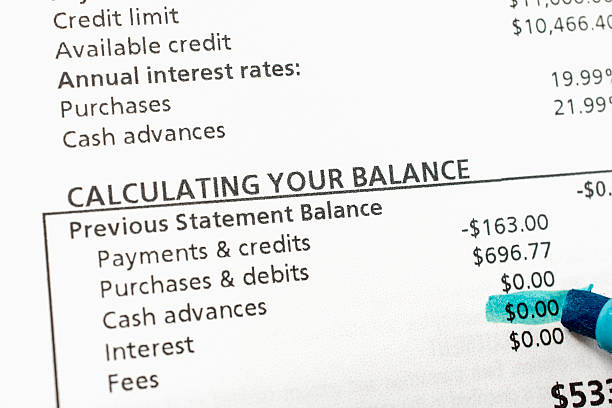
Present bias shows up in many credit decisions. Take the minimum payment trap. Your card statement says you owe five hundred dollars. The minimum payment is twenty-five dollars. That tiny number feels manageable, so you pay it and move on. But the future cost is huge. At a typical interest rate, it could take you years to clear that balance. Yet the brain does not calculate that. It sees the small amount today and feels relief. Another example is the buy now, pay later option. You see a sofa for eight hundred dollars. The store offers four payments of two hundred dollars. That sounds painless. But each payment comes with a deadline, and missing one can trigger fees and interest that make the sofa far more expensive than the sticker price. Present bias makes the deferred payments feel less real than the money in your pocket right now.
Even people with good incomes fall into this trap. A middle-class household might bring in six figures and still carry credit card debt. The reason is not that they cannot afford their bills. It is that the extra money at the end of the month always gets spent on something that feels good in the moment. A dinner out, a streaming subscription, a new phone case. Each purchase is small, but the pattern compounds. Your brain treats each one as a separate decision and always chooses the immediate reward. Then the credit card balance grows, and the interest payments eat into your future income.
The good news is that present bias is predictable, and you can work around it. One effective trick is to make the future more vivid. Instead of thinking about a vague retirement or a generic emergency, give that future a number and a date. Write down exactly how much you want to save by the end of this year. Put a picture of that goal on your phone’s lock screen. When the future feels concrete, it starts to compete with the present. Another trick is to remove the choice entirely. Set up an automatic transfer from your checking account to a savings account on the day you get paid. If the money is gone before you see it, your brain never gets the chance to spend it. The same works for debt. Set up automatic payments for your credit card, not just the minimum, but an amount that actually reduces the balance. When you do not have to make a conscious decision every month, present bias has less room to act.
You can also use the ten second rule. When you feel the urge to buy something that is not a necessity, pause for ten seconds. Ask yourself: would I buy this if I had to pay cash right now? That small delay is often enough to let the rational part of your brain reassert control. You do not need to become a monk or give up all pleasure. Just create small barriers between the impulse and the action. That is how you beat your own wiring.
Understanding present bias does not mean you are weak. It means you are human. The middle-class struggle with credit is rarely about math. Most people can calculate interest rates and balances. The struggle is about emotions, time, and the lopsided way your brain weighs today versus tomorrow. Once you see that pattern, you can design your life to avoid it. Automate your savings. Prepay your debt. Make the future visible. And give yourself a short pause before every impulsive purchase. Over time, these small habits shift the balance. You start choosing the future more often, not because you are forcing yourself, but because you have built a system that makes the future the easier choice.
The next time you look at your credit card statement, do not beat yourself up. Instead, remember that your brain was never built for long-term planning. It was built for the next meal, the next shelter, the next moment of comfort. But you are not a hunter gatherer anymore. You are a person with a wallet and a mortgage. You can outsmart your own instincts by changing the environment around you. Make the right decision the automatic one. Then present bias has nothing left to fight.