When you take out an installment loan – a personal loan, a car loan, or even a debt consolidation loan – the lender agrees to give you a lump sum of money, and you agree to pay it back in fixed monthly payments over a set period. That period is called the loan term. A typical term might be three years for a smaller personal loan or five to seven years for a car loan. The shorter the term, the higher your monthly payment, but the less total interest you pay. The longer the term, the lower the monthly payment, but you end up paying much more in interest over the life of the loan.
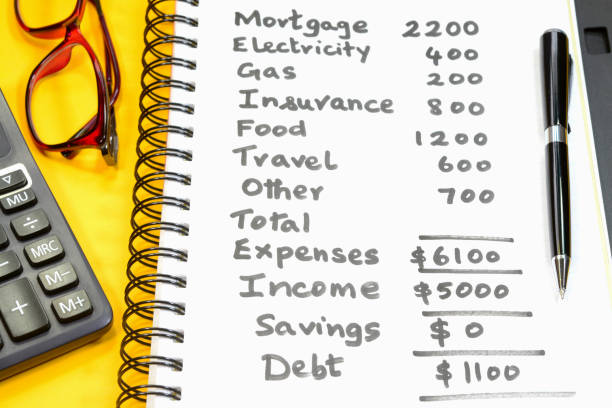
Middle-class consumers often find themselves in a bind when their monthly budget gets tight. They might have a car loan with a four-year term, and suddenly they need to free up cash for an unexpected medical bill or a home repair. The lender offers a solution: refinance the loan or extend the term to six or seven years. Your monthly payment drops significantly. It feels like a relief. But this move is one of the most common ways consumers become overextended on installment debt.
When you extend the term of an installment loan, you are not reducing your debt. You are simply stretching the same debt over more months. That means you are paying interest for a longer time. For example, imagine you owe $20,000 on a car loan at 7% interest. If you keep a four-year term, your monthly payment is about $479, and you will pay roughly $2,985 in total interest. If you extend the term to six years, your monthly payment drops to about $341. That saves you $138 each month, which sounds great. But over six years, you will pay about $4,542 in total interest. That is $1,557 more than the original plan. You are paying more than half a thousand dollars extra just to lower your monthly bill.
The real trap begins when you combine term extension with the habit of rolling over the loan. Many people who extend a loan term do not stop there. A year or two later, they take out another new loan to pay off the old one, extending the term again. This is called “serial refinancing.” Each time, the monthly payment goes down a little, but the total debt grows because you are adding fees and interest from the refinance. Before you know it, you are paying on a car loan that should have been paid off years ago. The car has lost most of its value, and you owe more than it is worth. You are stuck in a loan you cannot escape without taking a big loss.
Another danger is that extending a loan term often leads to higher interest rates. Lenders charge more for longer terms because the risk to them increases. They want compensation for the extra time you might default. So when you refinance into a longer term, you might get a rate that is one or two percentage points higher than your original rate. That further increases the total cost.
Banks and credit unions promote term extensions as a “debt management tool,” but they are really a way to keep you in debt longer. The monthly payment reduction can be addictive. Over the course of a few years, you might extend a three-year personal loan into a seven-year loan. The monthly payment feels comfortable, but you have paid more in interest than you originally borrowed. That is the opposite of managing credit well.
For middle-class consumers, the best approach is to avoid extending installment loan terms unless absolutely necessary. If you need to reduce your monthly payment, look for other strategies first. Can you cut discretionary spending? Can you pick up a side gig for a few months? Can you negotiate a lower interest rate with your current lender without extending the term? Some lenders will lower your rate if you set up automatic payments or have a good payment history.
If you must extend a term, make it a short extension. Instead of jumping from four years to six years, try moving to five years. The monthly payment difference might be small, but you will save significantly on interest compared to a full two-year extension. Also, commit to paying extra principal when you can. If you get a bonus or a tax refund, put it toward the loan. This shortens the effective term and reduces total interest.
Consolidating multiple loans into one new installment loan with a longer term is another common trap. People combine credit card debt, personal loans, and medical bills into a single lower monthly payment. That can feel like progress, but if you stretch the repayment over five or six years, you are essentially turning short-term debt into long-term debt. The interest you pay on that consolidated loan can exceed what you would have paid on the original debts if you had knuckled down and paid them off faster.
The bottom line is that an installment loan term extension is not free money. It is a trade-off between monthly cash flow and total cost. Middle-class consumers should treat it as a last resort, not a first option. If you find yourself constantly needing to extend loan terms to make ends meet, that is a sign that your overall debt level is too high, or your income is not keeping up with expenses. In that case, the real solution is not another extension but a serious look at your budget, a plan to increase income, or professional credit counseling.
Short term pain – making the higher monthly payment for a few years – is nearly always better than long term pain – paying thousands extra in interest and staying in debt for years longer than necessary. The next time a lender offers to lower your payment by extending your loan term, ask yourself: Am I solving a temporary cash flow problem, or am I digging a deeper hole? If the answer is the latter, say no and find another way.