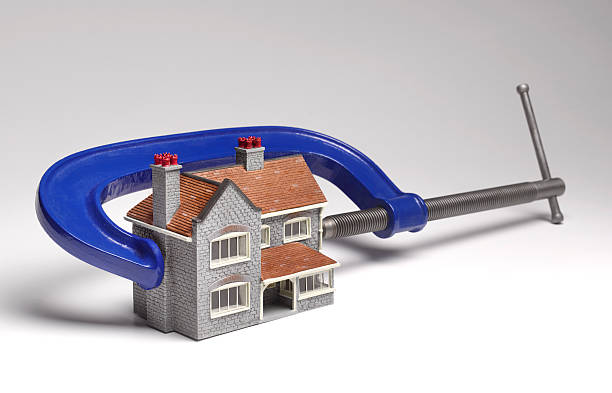
When a marriage ends, most people focus on the emotional and legal hurdles. But there is a quieter, often overlooked financial bombshell sitting right there in your credit report: joint accounts. If you and your ex-spouse had a shared credit card, a car loan, a mortgage, or even a utility bill in both names, those accounts did not automatically close when the divorce was finalized. And they can destroy your credit score long after you have moved on with your life.
The core problem is simple. A joint account means you and your ex are co-borrowers. The lender does not care about your divorce decree. To the bank, you are both equally responsible for every penny owed. If your ex stops making payments, the late payment shows up on your credit report, too. If your ex runs up a big balance, your credit utilization ratio goes through the roof. And if your ex decides to declare bankruptcy, that joint account will be included, and your credit will take the hit right alongside theirs.
Many middle-class consumers assume that a divorce settlement agreement protects them. It does not. Your divorce papers are a contract between you and your former spouse. They have no legal power over the lender. Your bank will not remove your name from a joint account just because your lawyer drafted a document saying your ex is supposed to pay that debt. The only way to break that financial tie is to either pay off the account and close it, or refinance it into one person’s name alone. Without that step, you remain legally liable for the balance.
Take a typical scenario. You and your spouse had a joint credit card with a ten-thousand-dollar limit. In the divorce, your ex agreed to take that card and pay it off. Six months later, you check your credit score and see it has dropped a hundred points. Your ex fell behind on payments. Maybe they lost a job, or just stopped caring. The card is still in both names. The late payments are reported on your credit file as if you made them yourself. You can complain to the credit bureaus all you want, but without proof that the debt was fraudulently placed in your name, they will not remove it. Your divorce decree is not proof of fraud. It is just a domestic agreement.
This problem is especially dangerous for middle-class consumers because many do not have a large emergency fund or a high credit limit to absorb the damage. A single late payment on a joint account can drop your score enough to raise your interest rates on your next car loan or mortgage. It can even prevent you from renting an apartment. Landlords often pull credit checks, and a tanked score makes you look like a risk.
Even if your ex is making payments on time, the account is still risky. The balance on that joint card counts against your own credit utilization. If the card is maxed out, your credit score will suffer even if you have never missed a payment. And if your ex dies, you become solely responsible for the entire balance. Divorce does not make that debt disappear. Your credit will be affected until the account is completely closed or your name is removed.
So what can you do? The best strategy is to act before the divorce is final. If possible, pay off all joint accounts and close them. If you cannot pay them off, ask the court to order the sale of assets so the debts are cleared. For mortgages and car loans, the only safe option is to have one spouse refinance the loan into their own name. That means the other spouse is taken off the title and the debt. This requires qualifying for the loan on a single income, which may be difficult after a divorce, but it is worth the effort.
If refinancing is not possible, you can try negotiating with the lender to have your name removed. Most lenders will only do this if the remaining borrower can prove they have enough income and credit to handle the debt alone. Some lenders may agree to close the account and convert it to a single-user account for the other spouse, but this is rare.
A common mistake people make is thinking a signed divorce decree is enough. It is not. Keep a copy of your divorce papers, but do not assume they fix your credit liability. Monitor your credit reports from all three bureaus at least once a year. Sign up for free credit monitoring services. If you see a late payment on a joint account you thought was your ex’s responsibility, file a dispute with the credit bureau, but know that the dispute will likely be denied because the account was legally yours. The only real cure is to sever the financial link.
Divorce is hard enough without letting a forgotten joint account ruin your credit years later. Take control of every shared line of credit before you sign the final papers. If you are already divorced and still have joint accounts, make it your top priority to close them or refinance them. Your future financial health depends on it.