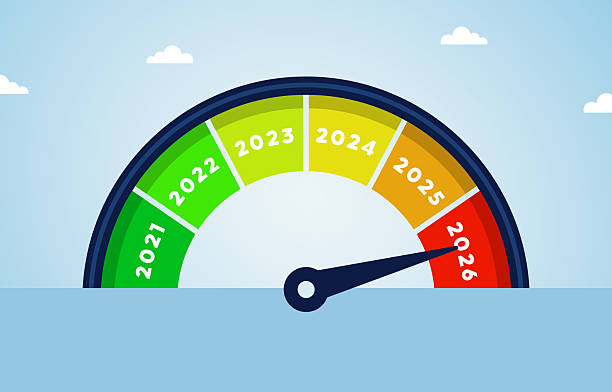
How Long Negative Information Stays on Your Credit History
A single financial misstep can feel like it will follow you forever. A missed payment during a tough month, a medical bill that slipped through the...
today Read More
How Long Negative Items Stay on Your Credit History
Your credit history is a record of how you have borrowed money and repaid it. It includes credit cards, car loans, student loans, mortgages, and...
14 days ago Read More
How Often Should You Check Your Credit Report?
Your credit report is the foundation of your credit history. It tells lenders how you have handled borrowed money, whether you pay on time, how much...
29 days ago Read More
Why the Length of Your Credit History Matters for Your Score
When you think about what makes up your credit score, you probably focus on paying your bills on time and not using too much of your available...
1 month ago Read More
Keep Your Old Credit Cards Open to Protect Your Credit History
When you pay off a credit card you no longer use, it might feel like a victory. You might think closing the account is the final, responsible step...
1 month ago Read More
Why Closing Old Credit Cards Can Damage Your Credit Score
It is an easy decision to make. You have a credit card that you have not used in months, maybe years. The annual fee is annoying, or the card just...
1 month ago Read MorePopular Articles
Why the Length of Your Credit History Matters for Your Score