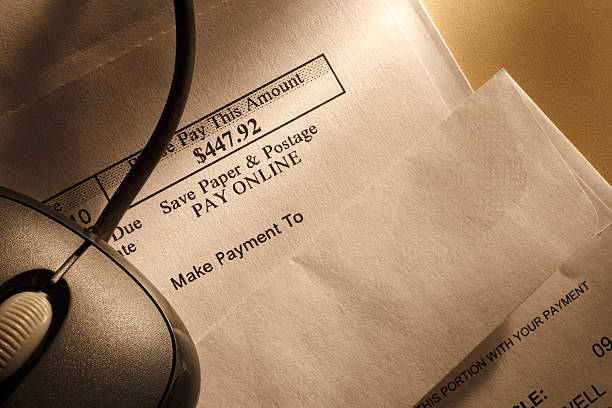
A single late payment can be one of the most expensive mistakes you make with your money. It does more than trigger a late fee. It can lower your credit score, and that lower score can follow you for years. Payment history is the largest part of your credit score, so a missed due date sends a strong signal to lenders that you may be a risky borrower.
Most creditors do not report a payment as late until it is 30 days past due. Before that point, you may owe a late fee and get calls or emails, but the late payment may not appear on your credit reports. Once you cross the 30-day mark, the damage begins. A 30-day late payment can drop a good score by dozens of points. A 60-day, 90-day, or 120-day late payment is much worse. The longer you go without paying, the more serious the mark becomes. If the account is eventually sent to collections or charged off, the harm grows further.
The credit report mark from a late payment generally stays for seven years. That sounds frightening, and it is one reason to take due dates seriously. The impact does fade over time. A late payment from three months ago matters more to your score than one from five years ago. If you keep other accounts current and use credit carefully, your score can begin to recover long before the seven years are up. The late payment remains on your report, but its weight gets smaller as you build a newer, cleaner history.
The consequences reach far beyond the score itself. Lenders use credit scores to decide who gets approved and what interest rate they pay. A lower score often means a higher interest rate on a car loan, credit card, or mortgage. Over the life of a large loan, that can add up to thousands of dollars in extra interest. Credit card companies may also raise your interest rate or reduce your credit limit after a late payment. Insurance companies in many states use credit-based insurance scores when setting premiums. Landlords may check your credit before renting to you, and a weak score can lead to a denial or a larger security deposit. Utility companies may require a deposit before turning on service.
The practical effects can pile up. If you need a car to get to work, a higher loan rate makes the car more expensive. If you need to move, a landlord may reject your application. If you need a credit card for emergencies, you may only qualify for a high-cost card. These setbacks can push people toward payday loans or other expensive options. That can create a cycle where it becomes even harder to catch up. The stress and embarrassment can also make people avoid checking their credit. Avoidance usually makes the problem worse.
Rebuilding after credit score damage takes time, but it is possible. The first step is to bring every account current. Pay at least the minimum on time from now on. Set up automatic payments so a forgotten due date does not become another late mark. If money is tight, call the creditor before the due date. Many lenders have hardship programs, lower payment plans, or deferment options, but they are more likely to help before the account is seriously late. If a late payment is already on your report, check for errors. Keep old accounts open if they have no annual fee, because the length of your credit history helps your score. Use any credit card lightly and pay the full balance when you can. Over months and years, a steady record of on-time payments will outweigh the old mistake.
The bottom line is that late payments are not just a small administrative problem. They can raise the cost of borrowing, renting, and insuring your life. They can limit your choices when you need them most. Treat due dates as important deadlines, automate what you can, and build a small emergency fund for surprises. If you do miss a payment, act quickly. Pay what you owe, bring the account current, and keep moving forward. Time and consistent good habits are the most reliable way to repair credit score damage.