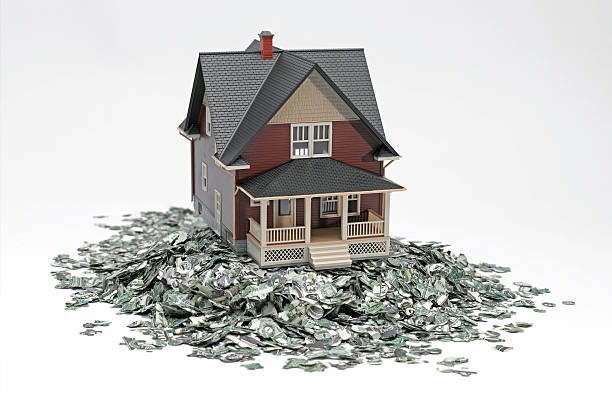

A raise feels like proof of progress. But for many middle-class households, the raise disappears before it arrives. Lifestyle inflation is why. It happens when spending rises along with income. It is not always reckless. It often looks like reasonable upgrades: a nicer apartment, a newer car, better groceries, more travel, kids in more activities, a bigger phone plan. Each choice seems small. Together they can turn a higher salary into a higher credit card balance.
Credit cards make lifestyle inflation almost invisible. Cash or debit forces you to see money leave. A credit card lets you enjoy the upgrade now and decide later. If you pay in full each month, that is fine. But if you carry a balance, the upgrade costs more than the sticker price. Interest gets added. The raise was supposed to create breathing room; instead it created a new monthly bill.
The first sign is often a budget that never feels easier. You earn more, but you still check your balance before payday. You might blame inflation. Real inflation does make life cost more. But lifestyle inflation is the part you chose. The larger apartment, the second car, the premium version, the extra subscription. Those choices are not automatically wrong. The problem is when they are automatic. When every raise is spent before it lands, your credit card becomes the cushion.
Social pressure fuels it. Middle-class life comes with expectations. Neighbors get a new car. Coworkers take nicer vacations. Your feed shows people doing things that look normal. You do not want to feel behind, so you upgrade. You tell yourself you deserve it. You probably do. But deserve and afford are different. Afford means you can pay without borrowing or pay off the balance before interest hits. If you cannot, the upgrade belongs to the credit card company until you pay it off.
Rewards programs can make this worse. Points and cash back feel like free money. They can be useful if you were going to spend the money anyway and pay in full. But they can also encourage you to spend more to earn more. A 2 percent reward does not matter if you pay 20 percent interest. Carrying a balance for a year can wipe out years of rewards. A reward is not a reason to buy something. It is a small discount on a purchase you already planned.
Lifestyle inflation also hides in subscriptions and small recurring charges. A streaming service here, an app there, a meal kit, a gym, cloud storage. Each one is small. But they add up. They also raise your baseline. When money is tight, you feel like you cannot cancel because they are part of your routine. Meanwhile, the minimum payment stays low enough to keep you comfortable. That is the trap. Minimum payments are designed to keep the account open, not to get you out of debt.
Your credit score feels the effect. When balances rise, your credit utilization goes up. That is the amount you owe compared to your credit limits. High utilization can lower your score, even if you pay on time. Applying for new cards or loans to keep up adds inquiries and more accounts. A lower score can make future borrowing more expensive. It can affect car loans, mortgages, insurance, and even some jobs. Lifestyle inflation does not just strain your budget. It can shrink your options.
The fix is not to never enjoy your money. It is to decide where the raise goes before it arrives. When income rises, send a set amount to savings, debt payoff, or retirement first. Keep fixed costs from rising as fast as income. If you want to upgrade, plan for it. Wait a month. Compare the monthly cost to your goals. Ask whether you would still want it if you had to pay cash. Use credit cards for convenience, not to fund a lifestyle you have not saved for.
Lifestyle inflation is normal, but it is not harmless. For middle-class consumers managing credit, the goal is to let income growth create security, not just a bigger monthly bill. A raise should make you more stable. If it only makes your credit card balance larger, the upgrade is costing more than you think. Keep your lifestyle a step behind your income, and your credit will have room to breathe.