If you are a middle-class homeowner carrying a balance on several credit cards, the idea of a home equity loan can look like a lifeline. You take out a lump sum based on the value of your house, pay off those high-interest credit cards in one shot, and then make a single monthly payment at a much lower interest rate. On paper, this move makes sense. But when you are already overextended on your other debts, turning unsecured credit card debt into secured debt tied to your home can turn a manageable financial problem into a catastrophic one.
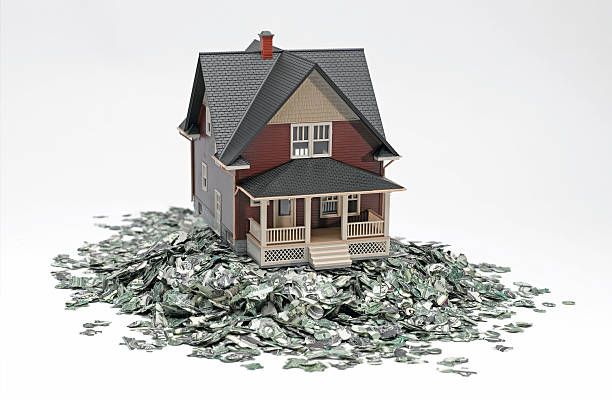
A home equity loan is a form of secured debt. That means the lender has a legal claim on your house as collateral. If you stop making payments, the lender can take your home through foreclosure. That is the fundamental risk you take when you borrow against your property. When you consolidate credit card debt with a home equity loan, you are essentially swapping a problem that can damage your credit score for a problem that can cost you your roof. For someone who is already struggling to keep up with monthly bills, that trade is far more dangerous than it appears.
The first danger is that consolidation does not address the spending habits that created the debt in the first place. Middle-class consumers often turn to home equity loans after years of slow, steady credit card accumulation. A new loan wipes the slate clean, but if you have not changed your budget or your spending patterns, the credit cards will fill up again. Meanwhile, you now have a new secured loan payment to make every month. You end up with the same credit card debt plus a home equity payment you cannot afford. This double hit is one of the most common ways people go from being overextended to being on the verge of losing their home.
Another problem is that home equity loans come with closing costs and fees that add thousands of dollars to the total you owe. Appraisal fees, origination fees, and title insurance can eat up a big chunk of the borrowed money before you ever pay off a single credit card. If you are already stretched thin, paying those costs upfront or rolling them into the loan makes your debt larger than the original credit card balances. That extra debt sits against your home, increasing the risk that you will end up owing more than the house is worth. Being underwater on a mortgage is a nightmare for any homeowner, but it is especially dangerous if you ever need to sell your home or refinance.
Variable interest rates are another trap. Some home equity products, particularly home equity lines of credit, have rates that can rise over time. You might start with a low teaser rate that makes the monthly payment look affordable, only to see that payment jump a year or two later. If your income has not increased or your other expenses have gone up, that higher payment can be the thing that pushes you into default. Once you default on a secured debt, the lender moves quickly. You do not get the grace period you might expect with a credit card. The foreclosure process can start in a matter of months.
It is also important to recognize that credit card debt is easy to deal with in bankruptcy, while a home equity loan is not. If you file for Chapter 7 bankruptcy, your credit card balances can be erased. But a home equity loan is secured by your house. In bankruptcy, you have to keep making payments on that loan if you want to keep your home. If you cannot make the payments, the lender can still take the house even while you are in bankruptcy. So by using a home equity loan to consolidate credit cards, you lose the safety valve that bankruptcy provides for unsecured debt. You also lose your home equity, which might be the only real asset you have left to protect your family.
Before you sign the papers on a home equity loan for debt consolidation, ask yourself whether you have a realistic plan to pay off the loan within five to seven years. Most home equity loans have terms of ten to fifteen years, which means you are stretching out your debt payments over a very long time. That lower monthly payment feels good in the short term, but it also means you are paying interest for years longer than you would on credit cards if you committed to aggressive repayment. The math only works if you use the freed-up cash flow to systematically attack the loan principal. Most people do not do that. They take the lower payment as relief and keep spending.
A safer approach for an overextended middle-class consumer is to talk to a nonprofit credit counselor. They can help you explore a debt management plan that lowers your interest rates on credit cards without putting your home at risk. Or you might try negotiating directly with your creditors for a hardship program. Even a personal loan from a bank, which is unsecured, is a better choice than a home equity loan because it does not put your house on the line. If you are truly overextended, the goal should be to reduce your monthly obligations without creating a new secured liability that can take everything you own.