Medical debt is unlike almost any other kind of debt you will ever carry. You do not apply for it. You do not agree to a rate or a repayment schedule. It appears after an accident, a diagnosis, or a routine test that turns into something more. Even with solid insurance, a single hospital stay can leave a household owing thousands of dollars, and the paperwork that follows can be confusing enough that people set it aside until it becomes a bigger problem.
The first thing to understand is how medical bills travel. A hospital or doctor’s office will bill you and your insurer. If the balance sits unpaid, the provider may eventually hand the account to a collection agency. Historically, that was the point where a medical bill could land on your credit report and drag down your score.
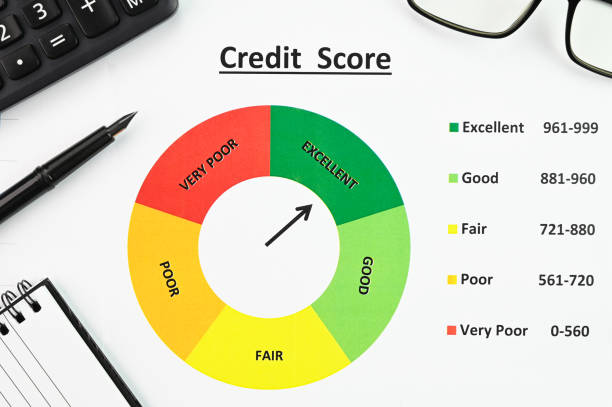
That picture has shifted in recent years. The three largest credit bureaus have changed how they treat medical collections. Paid medical collections no longer appear on their reports, unpaid medical collections below a certain dollar amount are excluded, and there is now a longer waiting period before an unpaid medical bill can be reported at all. Some newer credit scoring models ignore medical collections entirely, on the theory that a hospital bill says little about whether you will pay your mortgage or car loan on time. The catch is that not every lender uses those newer models, and smaller credit bureaus may not follow the same policies as the big three. Policies in this area have also changed more than once in recent years, so it is worth checking your own reports rather than assuming you are in the clear.
If a medical bill is still in your hands and not yet in collections, you have the most options. Start by asking for an itemized statement. This is a line-by-line list of every charge, and it is different from the summary bill most providers send first. Errors are common, from duplicate charges to services you never received. Confirm that your insurance company actually processed the claim, and if a claim was denied, find out why and appeal. Many denials are reversed on appeal, though there are usually deadlines, so do not let a denial sit.
Next, ask about financial assistance. Nonprofit hospitals are required to have a written financial assistance policy, and many people who qualify never apply because they assume they earn too much. The income thresholds are often higher than expected. Ask specifically for the charity care policy and the application.
You can also negotiate. Hospitals routinely accept less than the sticker price, and asking for the self-pay rate, a prompt-pay discount, or an interest-free payment plan costs you nothing. Get any agreement in writing before you send money.
If the debt has already gone to a collection agency, you still have room to act. You can ask the agency to verify the debt, dispute anything inaccurate on your credit reports, and negotiate a settlement. Be careful with promises to remove a collection account in exchange for payment. Get that promise in writing before you pay, and understand that agencies cannot always deliver on it.
One of the most important moves is what you avoid. Do not put medical bills on a credit card if there is any other option. That turns a bill that is often interest-free and negotiable into revolving debt at a high interest rate, and it strips away some of the protections that come with medical accounts. The same caution applies to medical credit cards and financing offers advertised at the doctor’s office, which frequently carry deferred interest that kicks in retroactively if you miss the deadline.
Finally, keep medical debt in perspective. Nobody wants a collection account, but unpaid rent, a missed mortgage payment, or a shut-off utility will hurt you faster. Pay for housing and food first, keep talking to the hospital billing office, and ask for help early rather than waiting for the account to age. A single phone call to the billing office early on often saves more money and stress than months of silence followed by a collection notice.