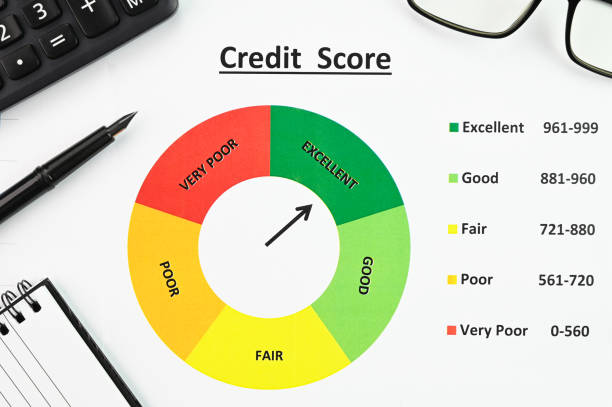
Your payment history is the single most influential factor in your credit score, accounting for approximately thirty-five percent of your FICO score calculation. This substantial weighting means that even one missed payment can have a significant and lasting negative impact. Therefore, improving your score based on payment history is not about complex financial maneuvers but about cultivating unwavering consistency and reliability. The path to improvement is a straightforward, though sometimes challenging, commitment to never missing a due date.
The foundational step is to understand what constitutes your payment history. Credit bureaus track your payments on credit cards, retail accounts, installment loans like auto or student loans, finance company accounts, and mortgages. For each account, they record whether you paid on time, and if you were late, they note how late you were—thirty days, sixty days, ninety days, or more. The severity and recency of late payments matter greatly; a payment that is ninety days late will hurt your score far more than one that is thirty days late, and a recent delinquency is more damaging than one from five years ago. Public records like bankruptcies, foreclosures, and tax liens are also included here and are severely detrimental. To improve, you must first ensure that all future payments are made on time, every time, without exception.
Given the importance of timeliness, the most powerful tool at your disposal is automation. Setting up automatic payments for at least the minimum amount due on every single one of your accounts virtually eliminates the risk of a forgetful oversight. This is a non-negotiable first line of defense. However, automation requires diligent monitoring of your bank account balance to avoid overdraft fees if funds are insufficient when the payment is pulled. For those uncomfortable with full automation, setting up payment reminders through your bank, lender apps, or digital calendars is an essential alternative. The goal is to create a system that does not rely solely on memory.
If your payment history already contains negative marks, all is not lost. Time is a powerful healer in the world of credit. Late payments remain on your report for seven years, but their impact gradually lessens as they age, especially if you establish a long, consistent pattern of on-time payments afterward. For older, isolated mistakes, you can consider contacting the lender directly to request a “goodwill adjustment.“ This involves politely explaining the circumstances of the late payment—perhaps you were ill or there was a bank error—and asking if they would be willing to remove the late payment from their reporting as a one-time courtesy. This is more likely to succeed if you have otherwise been a long-standing customer in good standing. For more recent or severe issues, the focus must shift entirely to rebuilding through flawless behavior moving forward.
It is also crucial to regularly review your credit reports from all three major bureaus—Equifax, Experian, and TransUnion—to ensure your positive payment history is being reported accurately and to dispute any errors you may find. An incorrect late payment listed on your report is a stain you can and must remove. You are entitled to a free report from each bureau annually. Scrutinizing these reports allows you to confirm that your diligent efforts are being properly recorded and to catch any inaccuracies that could be unfairly dragging your score down.
Ultimately, improving your score through payment history is a marathon, not a sprint. It demands a shift in mindset where paying bills becomes the absolute top financial priority, ahead of discretionary spending. There are no shortcuts. The strategy is simple in concept but requires discipline in execution: automate your payments, monitor your accounts, address past mistakes where possible, and verify your credit reports for accuracy. By making on-time payments an unbreakable habit, you lay the most critical cornerstone of a strong credit score, which will open doors to better loan terms, lower interest rates, and greater financial opportunities for years to come. Your payment history is your financial reputation; guard it with the utmost care.