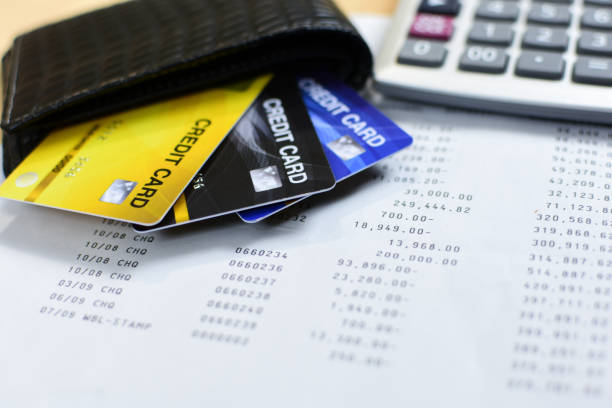
Minimum credit card payments can feel like a lifeline. When money is tight, paying the smallest amount due keeps the account current. That relief is real, but it often comes with a hidden cost. The balance may barely move, interest keeps adding up, and the stress you were trying to avoid gets pushed into the future.
Credit card companies usually set the minimum payment at a small percentage of your balance. A large share goes toward interest. If your card has a high interest rate, only a small piece of your payment reduces what you owe. You can send money every month and still see a balance that looks almost the same. That lack of progress is one of the most frustrating parts of credit card debt. It can make you feel like you are running hard just to stay in place.
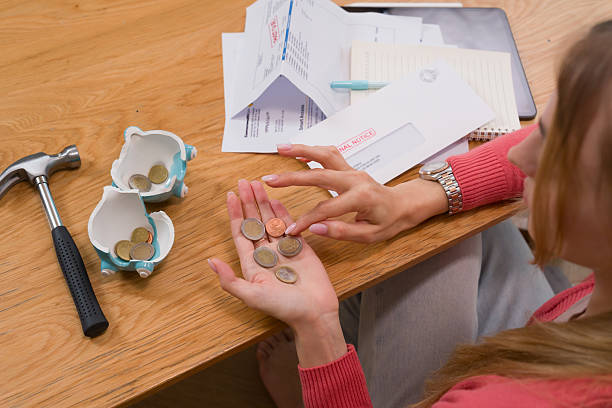
The financial stress builds slowly. At first, paying on time may seem like enough. Then an annual fee appears, or a late charge, or your interest rate goes up. The minimum payment rises because the balance is higher. Money that could go toward groceries, rent, or savings is pulled into a debt that never seems to end. You start checking your account less often because you do not want to see the number. Avoiding the problem may bring a few hours of calm, but it usually makes the stress worse. A missed payment can lead to more fees, a higher rate, and a drop in your credit score.
Financial stress is not only about numbers. It affects sleep, focus, and mood. People with mounting credit card debt often describe lying awake at night doing mental math. They may snap at family members, skip social events, or feel ashamed around friends who seem to be doing fine. The stress can also lead to physical symptoms, such as headaches, stomach problems, and fatigue. When your mind is full of worry about money, it is harder to do well at work, study for a class, or make clear decisions. That can create a cycle where stress leads to poorer choices, and poorer choices lead to more stress.
The consequences reach beyond the monthly statement. A high balance compared with your credit limit can hurt your credit score. That score follows you when you apply for a car loan, an apartment, or even a new job in some fields. A lower score can mean higher interest rates on future borrowing, which makes every large purchase more expensive. If you have no emergency savings because all extra money goes to debt, one car repair or medical bill can push you toward payday loans, cash advances, or asking family for help. Each option can add fees and pressure.
Minimum payments can hide the size of the problem. You may feel like you are managing the debt because you are paying something. In reality, you may be signing up for years of payments. A five-thousand-dollar balance at a high interest rate can take many years to clear if you pay only the minimum. The total you pay could be thousands more than what you charged. That is money you cannot save, invest, or use for your future.
Breaking the cycle starts with seeing the full picture. Find out your total balance, your interest rate, and how long it would take to pay off with minimum payments. That number can be shocking, but it gives you something to work with. Pay more than the minimum whenever you can. Extra payments go toward the balance and reduce future interest. If you have several cards, focus extra money on one while keeping the others current. Build a small emergency fund, even twenty dollars a month, so a flat tire does not become a new credit card charge. If stress feels overwhelming, contact your lender about a hardship plan or speak with a nonprofit credit counselor. These steps do not erase debt overnight, but they replace helplessness with a plan.
Financial stress thrives on uncertainty. Minimum payments can keep you current today while keeping you stuck tomorrow. The way out is not a secret trick. It is understanding the real cost, making progress where you can, and asking for help before the pressure becomes too heavy.