Imagine your furnace dies in January. Or your transmission gives out on the highway. Or your daughter needs an emergency root canal. For most middle-class families, these events aren’t just stressful. They are financially dangerous. The danger comes not from the event itself, but from what happens next when you have no emergency savings. You reach for a credit card. And that single act can start a chain reaction of debt that takes years to undo.
When you lack an emergency fund, an unexpected expense is no longer a temporary inconvenience. It becomes a permanent financial problem. The reason is simple: the cost of borrowing for that emergency is almost always higher than the original cost of the problem. Let us walk through the math. Suppose your car needs a fifteen-hundred-dollar repair. If you have cash in a savings account, you write a check and move on. Your credit score is untouched. Your monthly budget is unchanged. The cost is fifteen hundred dollars.
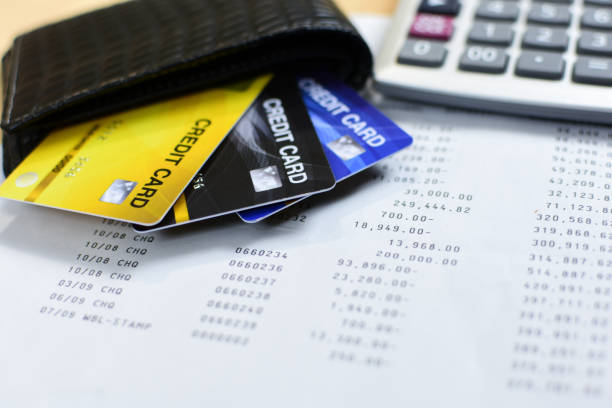
But if you have no cash, you put that repair on a credit card at a typical interest rate of twenty percent. You might think you will pay it off next month. But life happens. Maybe a holiday comes, or another smaller emergency pops up. You make the minimum payment. At twenty percent interest on a fifteen-hundred-dollar balance, the minimum payment might be around thirty-five dollars. That minimum barely covers the interest. So the balance barely moves. By the time you pay it off in two years, you have paid nearly three hundred dollars in interest alone. That fifteen-hundred-dollar repair actually cost you eighteen hundred dollars. You lost three hundred dollars for the simple sin of not having a cushion.
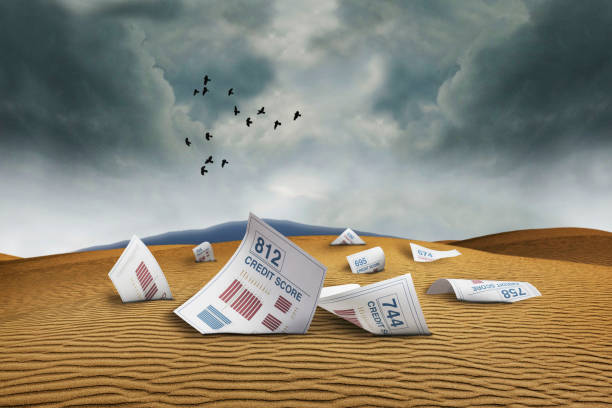
The problem gets worse when the emergency is larger. A four-thousand-dollar medical deductible or a major home repair can easily max out a single credit card. When you max out a card, two things happen to your credit report. The first is that your utilization rate, which is the amount of credit you have used compared to your total credit limit, jumps upward. Credit scoring models hate high utilization. A move from thirty percent utilization to ninety percent utilization can drop your credit score by fifty to one hundred points instantly. That drop matters. It means the next time you apply for a mortgage or a car loan, you will get a higher interest rate. You end up paying more for everything.
The second problem is that high utilization triggers your card issuer’s attention. They may lower your credit limit or raise your interest rate. That makes it even harder to pay down the balance. The emergency that started with a furnace or a transmission has now infected your overall financial life. You are paying more for existing debt. You are paying more for future debt. And you have less breathing room in your monthly budget.
These are not abstract problems for the rich or the poor. These are middle-class problems. The middle class typically has enough income to cover monthly bills, but not enough surplus to absorb large shocks. A sudden expense of even two thousand dollars can throw a household into a cycle of revolving credit card debt that lasts years. The logical response is not to avoid emergencies, because you cannot. The logical response is to realize that emergency savings are not a luxury. They are a tool for protecting your credit score and your monthly budget.
Think of an emergency fund as a shield. Every thousand dollars you have in cash savings prevents you from having to put that thousand dollars on a credit card. Every thousand dollars you keep out of credit card debt saves you about two hundred dollars a year in interest. That two hundred dollars is money you get to keep. It is money that can go toward retirement, a child’s education, or a vacation. It is money that does not go to the bank.
The size of the shield matters. Financial experts often suggest three to six months of expenses. For a middle-class household with a moderate mortgage and car payments, that number can seem overwhelming. But the goal is not to hit that number immediately. The goal is to start building the shield. A one-thousand-dollar cushion stops the small emergencies from becoming big debt. A five-thousand-dollar cushion covers most car repairs and medical deductibles. A ten-thousand-dollar cushion covers a job loss or a major appliance failure.
The most honest way to look at this is to accept that you are going to have financial surprises. They are not a matter of if, but when. If you have no cushion, every surprise is a credit score hit and a debt spiral. If you have a cushion, the surprise is just an inconvenience. The choice is yours. But the math is clear. The cost of no cushion is not just the cost of the emergency. It is the cost of the interest, the lower credit score, and the higher rates on everything else you borrow for years to come.