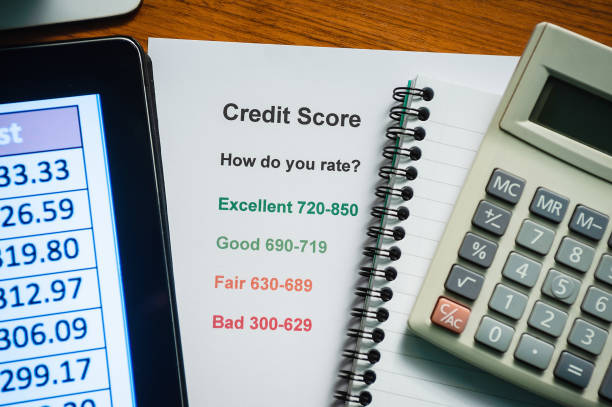
Most people think the only way to manage a credit card is to wait for the statement to arrive, then pay the full balance by the due date. That method works fine for avoiding interest and late fees, but it does nothing to help your credit score. In fact, it might be keeping your score lower than it could be. The real secret is simple: pay your credit card bill early, before the statement closing date, not just before the due date.
To understand why this matters, you need to know how credit utilization is calculated. Credit utilization is the amount of credit you are using compared to the total amount of credit available to you. For example, if you have a credit card with a ten thousand dollar limit and you have a balance of three thousand dollars, your utilization is thirty percent. Credit scoring models look at this number as a measure of risk. Higher utilization makes you look like you are living on the edge financially. Lower utilization makes you look responsible and in control.
Here is the part most people get wrong. Your credit utilization is not reported to the credit bureaus based on what you owe at the due date. It is reported based on your statement balance. Your credit card company sends a report to the bureaus once a month, usually on the same day your statement is generated. That report includes the balance as it appears on that statement. Whatever you pay after the statement is printed will not be reflected in that report. So if you always wait until the due date to pay, the balance that credit bureaus see is the full statement balance. If you have been spending heavily that month, that balance can be high, pushing your utilization up.
By paying your card early, you can lower the balance that appears on your statement. For instance, suppose you have a five thousand dollar limit and you expect to spend two thousand dollars this month. If you leave that balance untouched until the statement is generated, your utilization will be forty percent. That is above the recommended thirty percent threshold and can hurt your score. But if you make a payment of, say, fifteen hundred dollars a few days before the statement closing date, your statement balance will only be five hundred dollars. That gives you a utilization of ten percent, which is excellent.
You do not have to pay off the entire balance early. Even a partial payment can help, as long as it reduces the amount that gets reported. The key is to know your statement closing date. This date is different from your payment due date. It is usually listed on your monthly statement or in your online account. Some people set a calendar reminder to pay a portion of their balance a day or two before that closing date. It becomes a habit after a couple of months.
Another way to use early payments is to handle large, one-time expenses. Suppose you have to buy a new refrigerator for twelve hundred dollars. If you charge that purchase and wait for the statement, your utilization might jump significantly. Instead, you can pay that twelve hundred dollars off immediately after the charge posts. Then your statement balance will not include that large purchase, and your utilization stays low.
This strategy is especially useful for middle-class consumers who carry moderate balances from month to month. Even if you cannot pay your entire balance in full, paying some of it early can still improve your utilization. Just be careful not to let the early payment interfere with your cash flow. You do not want to drain your checking account only to have an emergency expense later. Keep a cushion.
It is also worth noting that credit utilization has no memory. That means if your utilization is high one month, your score drops. But if you bring it down the next month, your score recovers quickly. There is no long-term penalty for a temporary spike. So you can strategically lower your utilization a month or two before you plan to apply for a new loan or mortgage. That short-term boost can make a real difference in the interest rate you are offered.
A common concern people have is whether paying early will confuse the credit card company or trigger a penalty. It will not. Credit card companies allow you to make payments as often as you like. Some people pay every week. There are no fees for extra payments, and they are applied to your balance immediately. The only thing you need to avoid is overpaying, which would give you a negative balance. That is not harmful, but it is unnecessary. Just pay a little less than what you owe.
The bottom line is that waiting until the due date to pay your credit card is a missed opportunity. By shifting your payment to before the statement closing date, you can control the number that credit bureaus see. That control puts you in charge of your credit score in a simple, no-cost way. If you are trying to improve your credit utilization without cutting your spending or asking for a credit limit increase, early payment is the most practical tool available. Give it a try for two billing cycles. Check your credit score before and after. You might be surprised how much difference a few days can make.