It starts innocently enough. A streaming service for ten dollars a month. A meal kit delivery that saves you trips to the grocery store. A cloud storage plan for your phone photos. A fitness app that you swore you would use every morning. Individually, none of these charges seems like a problem. They are small, convenient, and easy to justify. But when you stack them together, they become a slow, silent leak in your monthly budget. And for middle-class consumers who are trying to manage their credit, those leaks can do real damage over time.
The trouble with subscriptions is that they are designed to be forgotten. Companies bill your credit card or debit card automatically each month, and unless you check your statement closely, you may not notice that you are paying for services you no longer use or that you signed up for on a free trial that has since expired. That forgotten ten-dollar charge might not break your bank account in any given month, but it adds up. Five forgotten subscriptions at fifteen dollars each means seventy-five dollars a month, or nine hundred dollars a year. That is money that could have gone toward paying down a credit card balance, building an emergency fund, or even just covering a necessary expense without borrowing.
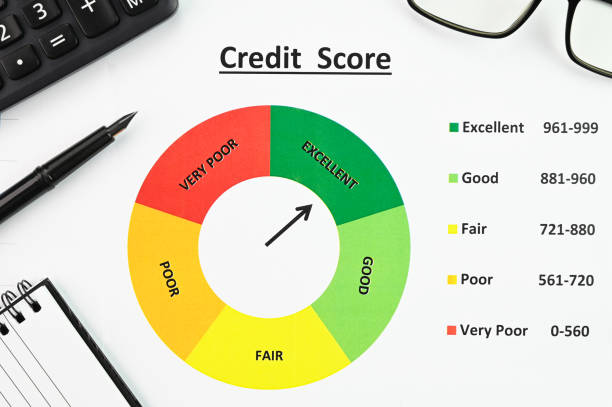
When you use a credit card for these recurring charges, the impact goes beyond the dollar amount. Credit card companies look at your utilization ratio, which is the amount of credit you are using compared to your total available credit. If you have a five-thousand-dollar credit limit and you are carrying a balance of two thousand dollars because you have let those subscriptions pile up, your utilization is forty percent. Most credit experts recommend keeping utilization below thirty percent to maintain a good credit score. Those small monthly charges are pushing you in the wrong direction without you even realizing it.
The solution is not to cancel every subscription you have. Some services genuinely improve your life or save you money in other ways. The key is conscious spending. That means taking a deliberate, honest look at where your money goes each month and deciding which charges are worth keeping. Start by pulling up your bank and credit card statements for the last three months. Go through every single recurring charge, no matter how small. Ask yourself a few straightforward questions. Do I use this service at least once a week? Does it bring me more value than the cost? Would I sign up for it again today if I had to make the decision fresh? If the answer to any of these questions is no, that subscription is a candidate for cancellation.
Do not assume that canceling will be difficult. Most companies make it easy to unsubscribe online, and if you run into trouble, a quick phone call usually resolves the issue. Make a list of the subscriptions you want to cut, and then set aside thirty minutes to do it all at once. You will feel a sense of control that no shopping spree can match.
Once you have trimmed the fat, think about how you will handle new subscription offers going forward. Before you enter your credit card number for a free trial, set a calendar reminder for the day before the trial ends. That way you have a chance to evaluate whether the service is worth paying for. Better yet, use a virtual credit card number or a one-time payment method to prevent automatic renewals. If you cannot remember the last time you used a service, assume you do not need it.
There is also a psychological benefit to cleaning up your subscriptions. When you see your monthly expenses drop by even fifty or one hundred dollars, you free up cash that can be used more intentionally. You might put that money toward an extra payment on your highest-interest credit card. Or you might decide to save it for a specific goal, such as a vacation or a home repair. Conscious spending is not about deprivation. It is about making sure that every dollar you spend reflects a choice that you actually made, not one that you drifted into months ago.
For middle-class consumers, credit health is often a matter of small decisions repeated over time. Forgetting a few subscriptions may seem minor, but those charges accumulate into balances that hurt your credit score and your financial stability. Take back control by auditing your subscriptions today. You will be surprised at how much breathing room you find.