You have probably seen them. The coworker who always parks a new luxury sedan in the lot. The neighbor who posts photos from expensive vacations every month. The friend who buys the latest smartphone the day it launches, even when their old one works fine. They seem successful, confident, and in control. But you might wonder how they afford it all. The answer, more often than not, involves credit. And not the good kind.
Conspicuous consumption is the economic term for spending money on goods and services specifically to display wealth or social status, rather than to meet a genuine need. For middle-class consumers, this behavior is a trap. It might feel good to be seen with a designer handbag or to get compliments on a new watch. But when those items are financed with credit cards or personal loans, the temporary glow of status can quickly turn into a long-term drain on your finances and your credit score.
Think about how credit scores are calculated. Payment history accounts for about 35 percent of your score. Credit utilization, or how much of your available credit you are using, makes up another 30 percent. When you charge a big ticket item like a high-end television or a set of luxury luggage to a credit card, two things happen. First, your utilization rate jumps. If you had a card with a ten thousand dollar limit and you just spent two thousand dollars on a weekend wardrobe update, you are now using 20 percent of that limit. That alone can lower your score. Second, you now have a new monthly payment to make. If you only pay the minimum due, interest accrues quickly, and you risk missing a payment altogether. One missed payment can drop a good credit score by fifty points or more.
The problem is not that you buy nice things. It is that you buy them to impress people who probably are not paying your bills. Conspicuous consumption is fueled by social comparison, and in the age of social media, that comparison is relentless. Every scroll through Instagram or TikTok shows you someone enjoying a lifestyle that looks effortless. But many of those influencers and acquaintances are also using credit to fund that image. They are not wealthy; they are leveraged. The danger is that you start to believe you need the same things to be happy or respected.
Middle-class consumers are particularly vulnerable because they have enough income to qualify for credit but not enough to absorb large mistakes. A single luxury purchase on a high-interest card can snowball. Imagine you buy a four thousand dollar designer sofa because you want your living room to look like a magazine spread. You put it on a store card with a 25 percent annual percentage rate. If you make only the minimum payment each month, that sofa will end up costing you nearly six thousand dollars over several years. During that time, the debt hurts your credit utilization. If you want to apply for a mortgage or a car loan later, that debt could raise your debt-to-income ratio and make lenders nervous.
Conspicuous consumption also damages your credit in less obvious ways. It encourages a mindset of short-term gratification over long-term planning. When you prioritize looking successful over being financially stable, you are more likely to open new credit accounts to chase rewards or store discounts. Each new application triggers a hard inquiry on your credit report, which can shave a few points off your score. Too many inquiries in a short time makes you look like a risk to lenders.
The real cost of impressing others is not just the money you spend. It is the opportunity cost. Every dollar you put toward a status symbol is a dollar you cannot put toward savings, investments, or paying down existing debt. A strong credit score comes from consistent, responsible behavior over years. You build it by paying bills on time, keeping balances low, and not taking on more credit than you need. Conspicuous consumption works against all of those habits.
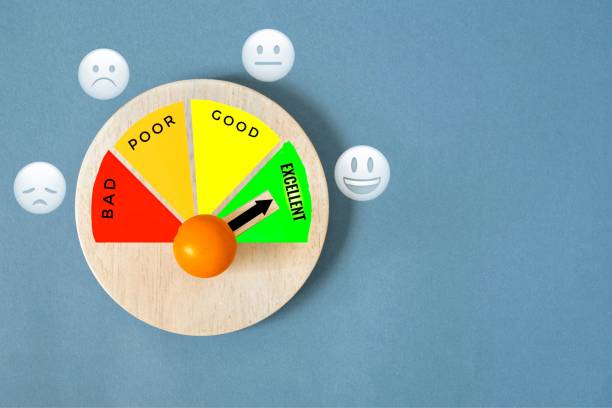
If you find yourself tempted by the desire to show off, pause and ask yourself a simple question. Will this purchase improve my life in a real way, or is it mostly about how others will see me? If the answer is the latter, consider an alternative. Put the money toward an emergency fund. Pay off a credit card balance. Save for a vacation you will actually enjoy rather than a photo opportunity. Real status, in the end, is the freedom to make choices without being trapped by debt. A high credit score is far more impressive than any designer label, because it proves you can manage your money instead of letting it manage you.