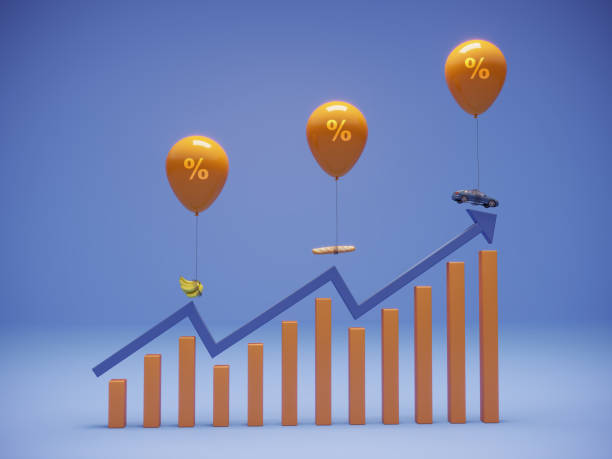
Lifestyle inflation is the slow, sneaky process where your spending rises along with your income. You get a raise, so you justify a nicer apartment. You pay off your car, so you decide it is time for a new one with a bigger payment. Before long, you are earning more money than ever, yet you feel just as broke as before. This is a well-known trap for middle-class consumers. But what starts the engine of lifestyle inflation? One of the most powerful drivers is something most of us do every single day: comparing ourselves to the people around us.
When you look at your neighbors, coworkers, or friends on social media, you see what they have. The new SUV in the driveway. The kitchen renovation. The vacation photos from a resort you cannot afford. This creates a subtle pressure to keep up. It is not usually a conscious decision to copy them. It is more of a slow feeling that your current life is not quite good enough. You start to believe that in order to be successful, you need the same things they have. This social comparison is the fuel for lifestyle inflation.
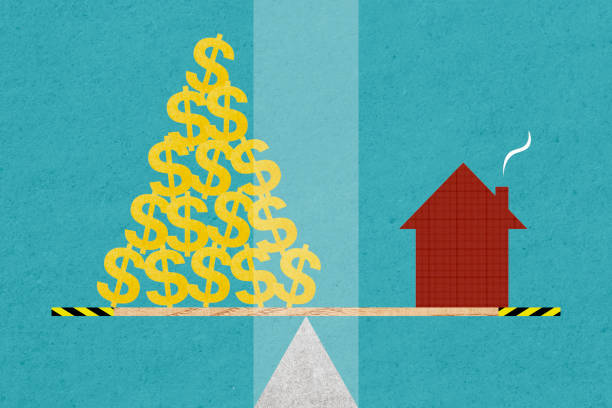
The problem is that this comparison often happens without you noticing the true cost. You may not realize that your friend who bought the SUV has been saving for five years. You may not see the credit card debt behind the kitchen remodel. You only see the finished product. So you start spending money you do not have to match a lifestyle that may not even exist. For example, you might decide to trade in your perfectly good four-year-old sedan for a luxury crossover because your neighbor just bought one. Your old car was reliable and had low miles. But now you have a six-year loan with a high interest rate. Your monthly payment jumped by three hundred dollars. That is three hundred dollars that could have gone into your retirement account or emergency fund. Instead, it is paying for an image.
This kind of spending directly harms your credit health in several ways. First, it increases your credit utilization ratio. If you put that new car payment or the new furniture on credit cards, you are using more of your available credit. That raises your utilization percentage, which is a major factor in your credit score. Second, it reduces your ability to handle emergencies. When your fixed expenses eat up most of your paycheck because you inflated your lifestyle, you have less room to handle an unexpected bill. If your car breaks down or you lose your job, you are more likely to miss a payment. And missed payments are the fastest way to wreck your credit.
Social comparison also leads to what financial experts call the “hedonic treadmill.“ You get the new car, the new home, or the new wardrobe. For a short time, you feel a rush of satisfaction. But that feeling fades quickly. Your brain adjusts to the new normal. Soon, the car is just your car. The bigger house is just where you live. You need something else to feel that same high. So you look for the next upgrade. Your neighbor buys a boat. You start thinking about a boat. Your coworker gets a new watch. You start browsing for one online. This cycle never ends. And each time around, you dig a deeper hole of debt and higher expenses. Your credit score suffers because your debt load grows and your payment history becomes riskier.
The solution is not to give up all your friends and move to a cabin in the woods. The solution is to become aware of the comparison trap. You have to define what “enough” means for you. This is a personal question. It requires you to look at your own goals, not someone else’s. What do you actually want? Do you want to retire early? Travel? Start a business? Own a home free and clear? Those are all valid goals. But they require you to say no to the things that do not serve them. When you see your neighbor’s new purchase, stop yourself and ask a simple question. Does this thing bring me closer to my actual goals, or is it just a reaction to seeing what they have?
To protect your credit from the damage of lifestyle inflation driven by social comparison, you need to build a buffer. That means automating your savings first. Pay yourself before you pay for the upgrade. If you want a new car, set a rule that you will only buy it after you have saved enough to put half down. If you cannot do that, you cannot afford it yet. This forces you to delay gratification and breaks the cycle of instant comparison spending. Also, remember that the best way to keep up with the Joneses is to stop running the race entirely. When you free yourself from that pressure, your spending drops, your savings rise, and your credit stays strong. You end up richer in every way that matters.