Wage garnishment is one of those financial events that most people never think about until it happens to them. If you are a middle-class consumer with a steady job, you might assume that as long as you make your payments on time, you are safe. But the reality is that wage garnishment can sneak up on you when you least expect it, often starting with a simple unpaid medical bill, a credit card balance that got out of hand, or a student loan that went into default. The moment a court orders your employer to take money directly from your paycheck, your financial life changes in ways that go far beyond the immediate loss of income.
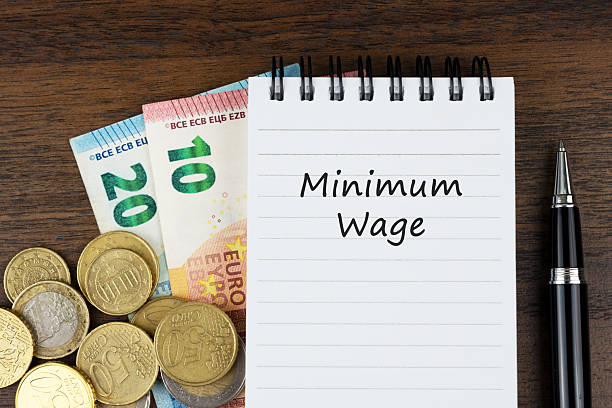
The most obvious consequence of wage garnishment is that you take home less money every pay period. Under federal law, the amount that can be garnished is limited to the lesser of twenty-five percent of your disposable earnings or the amount by which your weekly income exceeds thirty times the federal minimum wage. That might sound like a manageable number on paper, but for a middle-class family already stretching to cover rent, groceries, and utilities, losing even a few hundred dollars each month can create a serious cash flow crisis. You may find yourself having to choose between paying the electric bill and buying school supplies for your kids. That kind of pressure is stressful, but it is only the beginning.
What many people do not realize is that wage garnishment can cause long-term damage to your credit score. When a creditor goes to court to get a garnishment order, it usually means you have already missed several payments and the account has been charged off or sent to a collection agency. Those late payments and collection accounts will appear on your credit report, and they can stay there for seven years. A single collection account can drop your credit score by a hundred points or more, depending on where it started. Once your score falls, you suddenly have a harder time qualifying for a mortgage, a car loan, or even a new credit card. If you do get approved, the interest rates will be much higher, costing you thousands of dollars over time.
Another hidden consequence of wage garnishment involves your job. Your employer is legally required to process the garnishment, but that does not mean your boss will be happy about it. Some employers view garnishments as a sign of financial irresponsibility, and in certain industries, multiple garnishments can even put your job at risk. While federal law prohibits firing an employee because of a single wage garnishment, there is no such protection for multiple garnishments from different creditors. If your employer sees a pattern of financial trouble, they may decide you are not reliable enough to handle sensitive responsibilities or a company credit card. The stress of worrying about your job security on top of the garnishment itself can be overwhelming.
For middle-class consumers, wage garnishment also limits your ability to make future financial moves. If you want to refinance your home to get a lower interest rate, lenders will look at your credit report and see the garnishment. It signals that you have struggled to manage your debts in the past, and lenders will either decline your application or offer you a much higher rate. The same goes for leasing a car or even renting an apartment in a competitive market. Landlords often run credit checks, and a garnishment on your record can make you look like a risky tenant. You might be asked for a larger security deposit or forced to find a co-signer.
Perhaps the most frustrating part of wage garnishment for middle-class consumers is that it often feels impossible to escape. The garnishment continues until the debt is paid in full, including any interest, fees, and court costs that have been added. Meanwhile, the money taken from your paycheck is money you cannot use to pay down other debts or build an emergency fund. This can create a downward spiral where you fall further behind on other bills, leading to more collection calls, more late fees, and eventually more garnishments. The system is designed to collect the debt, not to help you get back on your feet.
If you are facing wage garnishment, there are steps you can take to limit the damage. You can file an exemption claim if the garnishment would cause you extreme financial hardship, such as threatening your ability to pay for basic necessities. You can also negotiate directly with the creditor to agree on a payment plan that stops the garnishment. In some cases, filing for bankruptcy will put an automatic stop to all garnishments, although that is a serious decision with its own long-term consequences. The key is to act quickly rather than burying your head in the sand. Once the garnishment begins, it is much harder to reverse.
The bottom line is that wage garnishment is not just a temporary inconvenience. It is a major financial event that can damage your credit, harm your job prospects, and limit your options for years to come. For middle-class consumers who have worked hard to build a stable life, a single garnishment can knock you off course in ways that take a long time to fix. The best way to avoid this outcome is to stay on top of your debts, communicate with creditors before you fall behind, and never ignore a court summons or a notice of a lawsuit. A little bit of proactive effort can save you from a lot of painful consequences down the road.