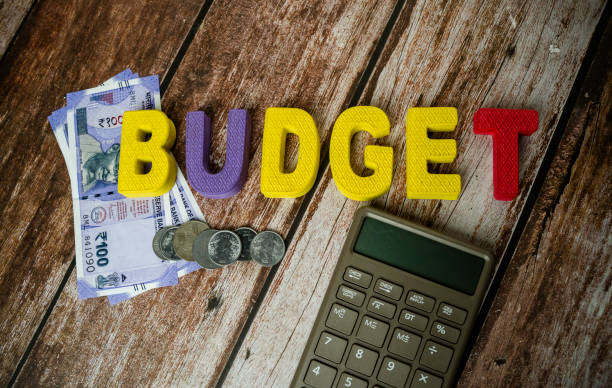
 Most middle-class consumers know they should have a budget, but they often treat it like a strict diet they will start next month. The problem is that without a clear system, spending tends to creep up. One credit card payment late here, one unplanned expense there, and before you know it you are carrying a balance with interest charges eating into your income. The 50/30/20 budget offers a simple, flexible framework that does not require tracking every penny. It divides your after-tax income into three broad categories, and by following it you can avoid the most common causes of credit problems: overspending on wants and not saving for emergencies.The rule itself is straightforward. Take the money you bring home each month after taxes and any payroll deductions like health insurance or retirement contributions. Spend no more than fifty percent of that on needs. Needs include rent or mortgage, utilities, groceries, minimum loan payments, transportation to work, and basic insurance. They are the things you genuinely cannot live without. The next thirty percent goes to wants. Wants include dining out, streaming subscriptions, travel, new clothes, hobbies, and anything that makes life more enjoyable but is not essential. The final twenty percent goes to savings and debt repayment beyond the minimums. That means building an emergency fund, adding to retirement accounts, and paying down credit card balances or other high-interest debt faster than required.The beauty of this system is that it builds in permission. Many people fail at budgeting because they try to cut all fun spending, which is unsustainable. The 30 percent wants category gives you a guilt-free allowance. As long as you stay within that limit, you can buy coffee or order takeout without feeling like you are failing. This prevents the kind of burnout that leads people to abandon their budget entirely and then fall back on credit to cover impulse purchases.From a credit management perspective, the 50/30/20 rule directly addresses the two biggest threats: insufficient savings and overspending on wants. When you commit to putting 20 percent of your income toward savings and extra debt payments, you build a cushion. An emergency fund of even one month of expenses means a car repair or medical bill does not have to go on a credit card. And when you do use a card, you pay it off quickly because you have allocated money for that purpose. The rule also prevents the common mistake of treating credit card minimum payments as a fixed monthly cost in the needs category. Under the 50/30/20 plan, minimums are needs, but any extra you pay above the minimum comes out of the 20 percent bucket. That forces you to decide how aggressively you want to attack debt rather than letting it linger.Another advantage is that the percentages scale with your income. If you get a raise, the extra money flows proportionally into all three categories. That means your lifestyle does not expand to consume every new dollar, a trap known as lifestyle inflation that often leads to credit dependency. By keeping wants capped at 30 percent, you automatically save a chunk of any raise and put it toward future financial stability.To apply the rule, start by calculating your monthly after-tax income. Then list your needs. Be honest here. A cell phone plan with unlimited data may feel like a need, but a cheaper plan with enough data is usually a want. Groceries are a need, but premium steaks and brand-name snacks are a want. Once you have a total for genuine needs, compare it to the 50 percent limit. If your needs exceed 50 percent, you have a structural problem. Perhaps your housing costs are too high, or you are paying too much for transportation. In that case you must either increase your income or reduce your fixed costs by moving, getting a roommate, or refinancing a loan. If your needs are well under 50 percent, you have room to increase savings or treat yourself a bit more.The wants category requires the most discipline because marketing and social pressure constantly tell you to buy more. But remember that every dollar you spend on wants that exceeds 30 percent comes from somewhere else. If you pull from the savings bucket, you are borrowing from your future self. If you put it on a credit card and do not pay it off immediately, you are paying interest on top of the purchase. The 30 percent limit acts as a gatekeeper that forces you to choose carefully.Finally, the 20 percent savings and debt payment category is your ticket to long-term credit health. Even if you have student loans or a car loan, make sure you are putting something each month into a savings account. A few hundred dollars in the bank is often enough to prevent a small problem from turning into a credit card balance that grows and grows. As your debt shrinks and your savings grow, your credit utilization ratio improves, your payment history stays clean, and your credit score rises.The 50/30/20 budget is not a magic formula that solves every financial challenge, but it gives you a clear boundary. You will know exactly when you are about to cross into dangerous territory. And by keeping wants in check and savings on track, you protect yourself from the cycle of relying on credit to cover gaps. It is a prevention strategy that works because it is simple enough to stick with month after month.
Yes. Inaccurate late payments, accounts that aren’t yours, or incorrect balances can lower your score, leading to higher interest rates and reduced access to affordable credit.
This is a low or 0% APR offered for a limited time on purchases, balance transfers, or both. It can provide a crucial interest-free period to pay down existing debt faster, but you must know the regular APR that applies after the intro period ends.
Often, no. Creditors may freeze or close the account to new charges while you are enrolled in the program to prevent further debt accumulation.
After an account becomes severely delinquent (usually around 180 days past due), the original creditor may write it off as a loss and either sell the debt to a collection agency for a fraction of its value or hire an agency on a contingency basis to collect it.
Leaving joint accounts open risks new charges by an ex-spouse, increasing your liability. Converting joint accounts to individual ones protects your credit and prevents further shared debt accumulation.