If your credit history is thin or you have a few dings on your report, getting approved for a regular credit card can feel like a catch-22. Lenders want to see you can handle credit, but they won’t give you credit unless you already have it. A secured credit card is one of the simplest tools to break that cycle. It works like a training wheel for your credit, and if you use it correctly, it can lift your score in a matter of months.
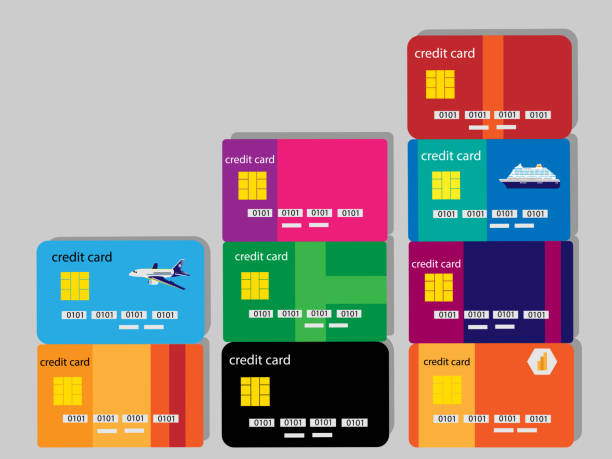
A secured card is different from a standard unsecured card because you have to put down a cash deposit upfront. That deposit usually becomes your credit limit. For example, if you deposit $300, you get a card with a $300 spending limit. The deposit protects the bank in case you stop paying, so the card is less risky for them. That is why nearly anyone can get approved, even with bad credit or no credit at all.
The key to making a secured card work for you is to treat it exactly like a real credit card, not like a prepaid debit card. Many people make the mistake of putting down a deposit and then using the card to spend only what they have already deposited, thinking they are “paying as they go.” But that is not how credit reporting works. Credit bureaus want to see that you can borrow money and pay it back on time. So you need to actually carry a small statement balance that you pay in full after the billing cycle ends. That small balance, reported to the bureaus, shows you are using credit responsibly.
Here is the step-by-step routine. First, open the card with a deposit you can afford. Most secured cards have minimum deposits around $200 to $500. Do not put down more than you need to cover your expected monthly spending. Second, use the card for one small recurring expense each month, like a streaming subscription or a gas fill-up. Set it to autopay the full statement balance from your checking account before the due date. That way you never miss a payment, and you never pay interest. Third, keep your credit utilization low. That means you should never use more than 30 percent of your credit limit. If your limit is $300, keep the reported balance under $90. Even better, under 10 percent. Using too much of your limit, even if you pay it off, can temporarily hurt your score because it looks like you are stretched.
One thing many middle-class consumers overlook is that secured cards almost always come with an annual fee. Do not let that scare you. The fee is usually modest, between $25 and $50 per year, and it is a small price to pay for the opportunity to rebuild your credit. Just make sure you read the terms before you apply. Some cards also have high interest rates, but that should not matter if you pay your balance in full every month. If you carry a balance, the interest will eat up any gains. So always pay in full.
After about six to twelve months of on-time payments and low utilization, your credit score should start to improve. At that point, you have options. Many banks that offer secured cards will review your account and automatically upgrade you to an unsecured card. When that happens, you get your deposit back and your credit line may increase. Some banks even send you a check for your deposit after a year of good behavior. If your bank does not offer a graduation path, you can apply for a regular unsecured card from another issuer. Once approved, close the secured card only if it has an annual fee you no longer want to pay. But be careful: closing a card can temporarily lower your credit score because it reduces your total available credit and shortens your credit history length. So if the secured card has no annual fee, keep it open and put a small purchase on it every few months to keep it active.
You should also monitor your credit report while you build. You can get your free weekly credit reports from AnnualCreditReport.com. Check that the secured card is being reported correctly. Sometimes new cards take a couple of months to appear. If you see any errors, dispute them right away. Also, consider signing up for free credit score tracking through your bank or a service like Credit Karma. These scores are not the exact ones lenders use, but they give you a good sense of whether you are moving in the right direction.
The biggest risk with a secured card is falling back into the same habits that damaged your credit in the first place. If you treat the card as free money, run up a balance you cannot pay, and miss payments, you will end up right where you started, except you also lose your deposit. So stay disciplined. Use it for one or two bills, set autopay, and do not think about the card the rest of the month.
In the end, a secured credit card is a straightforward tool. It gives you a safe way to prove you can handle credit. Use it wisely for a year, and you will unlock access to better cards, lower interest rates, and a healthier financial future. The work is small, but the payoff is big.