Your credit score is not something you check once a year and hope for the best. It is a direct reflection of how well you manage your money month after month. And the single most powerful tool you have to keep that score healthy is a simple, honest budget. Without a budget, even a solid middle-class income can disappear into late fees, maxed-out cards, and missed payments. With a budget, you gain control over where your dollars go, which means you can always pay your bills on time and keep your credit utilization low. Here is how to build a budget that does exactly that.
Start by understanding that a budget is not a punishment. It is a roadmap that shows you exactly how much money you have coming in and exactly where it needs to go. The goal is to make sure your essential expenses, especially your credit card minimums, loan payments, and any other debt obligations, are covered first. If you skip this step, you are essentially flying blind. You might have enough to cover your rent and groceries, but then an unexpected car repair hits your credit card, and suddenly you are carrying a balance you cannot pay off. That balance raises your credit utilization ratio, which is one of the biggest factors in your credit score.
To protect your credit, your budget must include a line item for every debt payment you owe. That means mortgage or rent, car loan, student loans, personal loans, and every single credit card. Even if the minimum payment is only twenty-five dollars, write it down. Then decide how much extra you can put toward the highest-interest card each month. Paying more than the minimum is the fastest way to lower your utilization and improve your score. But you cannot do that if you have not accounted for your other living costs.
A common mistake is to budget only for fixed expenses like rent and utilities. The variable expenses are what wreck your credit. Groceries, gas, dining out, entertainment, and shopping can easily add up to hundreds of dollars more than you planned. When you overspend in these categories, you reach for a credit card to cover the difference. That creates new debt. To avoid this, track your actual spending for one month. Look at your bank and credit card statements. You will probably be surprised by how much goes to coffee runs, subscriptions you forgot about, and impulse buys. Once you see those numbers, you can set realistic limits for each category in your budget.
Another critical piece is building a cushion for irregular expenses. Things like annual insurance premiums, holiday gifts, car registration, and medical co-pays do not happen every month, but they will hit you eventually. If your budget does not set aside a small amount each month for these surprises, you will end up charging them to a credit card. And that can spike your utilization just when you least expect it. Create a sinking fund category in your budget. Put fifty or a hundred dollars a month into a separate savings account for these known but infrequent costs. When the bill arrives, you pay with cash you already have, not with credit.
Your budget should also include a clear plan for emergencies. Life happens. Your refrigerator dies, your child needs a dental filling, or you lose a few days of work due to illness. If you have no emergency fund, these events force you to rely on credit cards. Even if you pay off the balance the next month, the temporary high utilization can still ding your score. Aim to save at least one thousand dollars as a starter emergency fund. Then work toward three to six months of essential expenses. While you are saving, treat that savings line item like a non-negotiable bill in your budget.
Finally, review your budget every week. This is not a set-it-and-forget-it exercise. Your spending patterns change, your income changes, and your credit card balances change. A weekly check-in lets you catch problems early. If you see that you are about to go over your dining-out limit, you can adjust by cooking at home for the rest of the week. If your credit card balance is climbing, you can pause discretionary spending and redirect that money to pay down the card. This kind of active management keeps you from accidentally carrying a large balance into the next statement cycle.
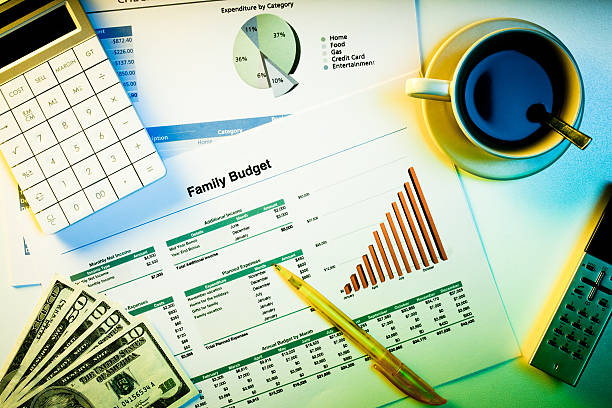
A budget that protects your credit score does not have to be complicated. It just has to be honest, realistic, and reviewed regularly. When you know exactly where every dollar is going, you never have to guess whether you can afford to pay your bills. And when you pay your bills on time and keep your balances low, your credit score naturally rises. That score then gives you access to better interest rates, which saves you even more money. The loop feeds itself. But it all starts with the simple act of putting your income and expenses down on paper, or into a spreadsheet, and sticking to that plan.