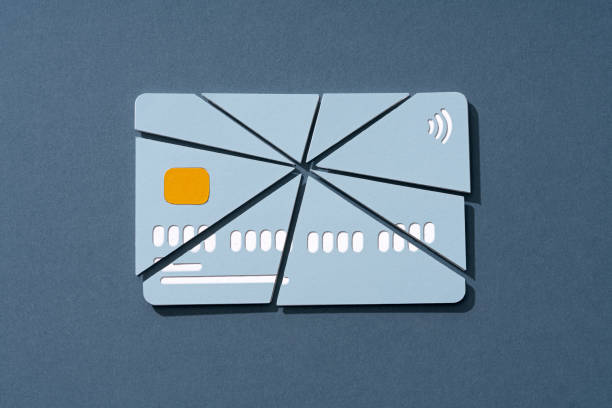
Your 30s are a decade of big shifts. You are likely further along in your career, maybe buying a home, and often starting or growing a family. If you have recently become a parent, you are probably experiencing a completely new kind of financial pressure. Between diapers, formula, daycare, and time off work, expenses pile up fast. It is common to reach for a credit card to cover the gap. But that quick fix can turn into a long-term problem if you are not careful. The good news is that you can manage this debt without letting it derail your family’s future.
First, understand that you are not alone. Many new parents in their 30s see their credit card balances climb during the first year. The average cost of raising a child in the United States for the first year alone can exceed $12,000, according to recent estimates. And that does not include lost income from parental leave or reduced work hours. Credit cards become a lifeline, but they also come with high interest rates that make it harder to catch up. The key is to treat this as a temporary situation and build a plan to get out of it as soon as possible.
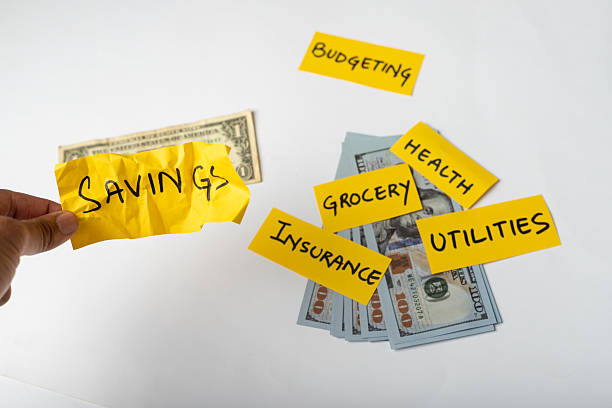
Start by taking stock of your actual debt. List every credit card you have, the balance on each, and the interest rate. This step can be uncomfortable, but it is necessary. You need a clear picture before you can make a move. Once you know the total, decide on a repayment strategy. One effective approach is to focus on the card with the highest interest rate first, while making minimum payments on the others. This saves you the most money in the long run. Another common method is to pay off the smallest balance first, which gives you a quick win and keeps motivation high. Choose the one that fits your personality and stick with it.
Next, look for ways to free up cash without cutting out things you need. Parenting costs are not optional, but you can find savings. For example, check if your employer offers a dependent care flexible spending account. This lets you set aside pre-tax dollars for daycare, which reduces your taxable income and leaves more money in your pocket. Also, consider buying baby gear used. Car seats, strollers, and clothing are often in excellent condition at consignment shops or online marketplaces. The money you save can go straight toward your credit card payments.
Another smart move is to call your credit card companies and ask for a lower interest rate. Many people skip this step because they assume it will not work, but it often does. Explain that you are a long-time customer who is temporarily stretched thin. If you have a good payment history, the issuer may agree to reduce your annual percentage rate for a few months. Even a few percentage points lower can make a noticeable difference in how fast your balance shrinks.
Do not overlook the power of a balance transfer if you have decent credit. Many cards offer zero percent interest on balance transfers for twelve to eighteen months. You transfer your existing high-interest debt to that card and then pay it down without any interest during the promotional period. There is usually a transfer fee of three to five percent, so you need to calculate whether it is worth it. But if you can pay off the entire balance before the promotion ends, it can save you hundreds of dollars. Just be careful not to use the old card for new purchases once you transfer the balance, or you will defeat the purpose.
While you work on paying down the debt, avoid adding more to it. This is the hardest part for new parents. Emergencies happen, but try to build a small emergency fund first, even if it is just one thousand dollars. That cushion can keep you from swiping the card when a surprise expense comes up. You can build this fund slowly by redirecting any extra money you get, like gifts from family or a tax refund.
Finally, give yourself grace. Becoming a parent is a massive life change. It is normal for your finances to wobble for a while. The goal is not to have zero credit card debt overnight, but to have a clear plan and steady progress. As your child grows and your household income stabilizes, you will find more breathing room. Your 30s are the perfect time to build better financial habits that will carry you through the rest of your life. You do not need to be perfect, just persistent. Your credit score will recover, and your family will benefit from the discipline you are building right now.