A diverse credit mix means you have managed more than one type of credit. That might include credit cards, store accounts, an auto loan, a student loan, or a mortgage. Scoring models like to see different kinds of payments, but credit mix is a small part of your score. Do not borrow money just to improve it. You can often improve your mix by using accounts you already have and adding information that does not require a new loan.
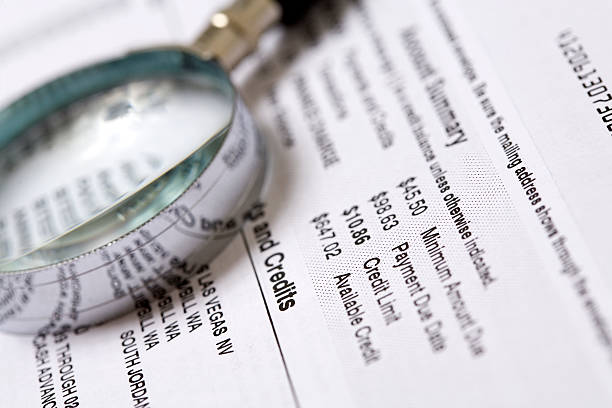
Start by reviewing your credit reports. List each account, its type, its balance, and whether it is open or closed. You may already have more variety than you think. A credit card and a student loan, for example, are two types of credit. You do not need a store card or car loan just to create variety. Knowing what you have prevents unnecessary applications.
Keep old accounts open when it makes sense. The length of your credit history and your available credit can help your scores. If you have an old card with no annual fee, use it for a small purchase now and then and pay the full balance each month. If it has a fee you no longer want, ask about moving to a no-fee version before closing it. Closing an old account will not erase its history right away, but it can reduce your available credit and make remaining balances look larger.
Use existing cards lightly and consistently. You do not need to carry a balance to build credit. Paying in full is better for your wallet and usually better for your scores. Put one small recurring charge on a card, such as a streaming service, and set up automatic payment for the full statement balance. Do this with more than one card only if you can track the payments easily. The goal is to keep accounts active and report on-time payments without increasing what you owe.
Ask your card issuers for a credit limit increase. A higher limit can lower the percentage of available credit you use, which may help your scores. This does not create debt if you do not spend more. Before asking, find out if the issuer uses a soft or hard check. A soft check does not affect your score. A hard check can cause a small drop, so it may not be worth it before a loan application. If you get one, keep spending the same.
Consider becoming an authorized user on a trusted family member’s credit card. You do not need to use the card or take on new debt. If the issuer reports authorized user accounts, the account can appear on your credit report and may add a positive payment history. Not every issuer reports authorized users, and the benefit depends on the main account being in good standing. Choose someone who pays on time and keeps low balances.
If you already have an installment loan, such as an auto or student loan, keep making payments on time. That loan is already adding variety to your mix. Do not take out a new loan just to improve your mix. Paying off a loan can be a good financial move even if it changes your mix slightly. Payment history and low balances matter more than keeping a loan open. If you have no installment loan, wait until you genuinely need one rather than borrowing for a scoring category that carries little weight.
Ask about programs that report rent, utility, or phone payments. They may add payment information to your credit file without creating debt. These payments do not always change your credit mix because they are not the same as a credit card or loan. Still, they can strengthen a thin credit file and show consistent payments. Check fees and whether it reports to the credit bureaus. Your landlord may offer free rent reporting.
Finally, check your credit reports for errors and keep balances low. A mistake, like an account that is not yours, can hurt your score. Dispute errors with the bureau and creditor. Avoid opening a store card for a discount, and think before closing old accounts. Credit mix is one piece of the puzzle. On-time payments, low balances, and a long, clean history matter more than adding a new account type. With patience, you can improve your credit mix without more debt.