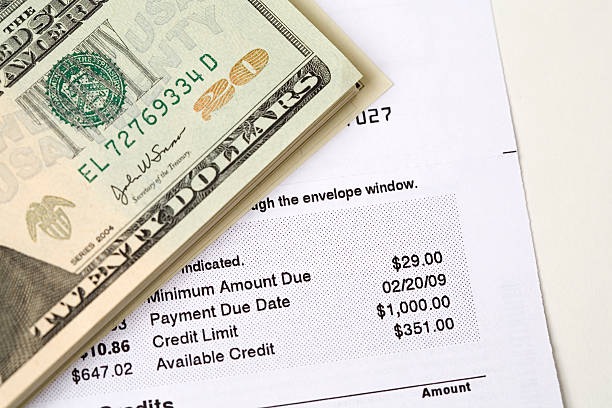
Your debt-to-limit ratio compares the balances on your revolving accounts to their total credit limits. If you have a $5,000 limit and owe $1,500, your ratio is 30 percent. If you owe $4,000, it is 80 percent. Credit scoring models watch this number closely because it helps predict whether you can handle new debt. For middle-class consumers, it can matter as much as paying on time, especially when buying a home, refinancing a car, or applying for a better credit card.
The tricky part is that your ratio is not based only on whether you pay on time. Card companies usually report your balance once a month, often around your statement closing date. If you charge $900 on a $1,000 limit and pay it off after the statement closes, the bureau may see a $900 balance and a 90 percent ratio. That can lower your score even though you did nothing wrong. This timing issue surprises many people.
One simple fix is to pay down balances before the statement closing date. You do not have to wait until the due date. If your statement usually closes on the 20th, an extra payment a few days before can reduce the balance that gets reported. You can still pay the rest by the due date to avoid interest. This works best if you use the card regularly. It can be especially useful in the months before applying for a mortgage, car loan, or new card.
Another approach is to ask for a credit limit increase. If your income and payment history support it, a higher limit can lower your ratio without changing your spending. If you owe $2,000 on a $5,000 limit, your ratio is 40 percent. Raise the limit to $8,000 and the ratio drops to 25 percent. Only do this if you are confident you will not spend more. A higher limit is not free money. It is more room to manage existing balances. Ask whether the issuer uses a soft or hard credit check.
You may also be tempted to close a card after paying it off. That can backfire. Closing a card reduces your total available credit, which can raise your debt-to-limit ratio. It may also shorten your average account age and hurt your score in other ways. Unless the card has a high annual fee you cannot justify or you cannot control your spending, keeping an old card open can help. Put a small subscription on it and pay it automatically. Keep the account active and in good standing.
Spreading balances across several cards can help, but only if each card’s ratio stays low. Scoring models look at both your overall ratio and the ratio on each card. Maxing out one card can hurt even if your total debt is modest. If one card is at 90 percent, that single high ratio can drag down your score. Moving part of that balance to a card with more room may help, but watch balance transfer fees and higher interest rates. The goal is to lower reported ratios while you pay debt down.
Finally, check your credit reports. Errors can make your ratio look worse. A closed account might still show a balance, or a limit might be reported incorrectly. You can check your reports for free from the major bureaus. If you find a mistake, dispute it with the bureau and the lender. It may take time, but correcting a wrong balance or limit can improve your ratio quickly. You can do this once a year or before a big loan application.
A good debt-to-limit ratio does not have to be perfect. Many experts suggest keeping it below 30 percent, and below 10 percent is even better. But do not panic if it is higher. The ratio changes as your balances and limits change. By paying before the statement closes, asking for limit increases when appropriate, keeping old cards open, and correcting errors, you can take control. Pay down debt steadily and keep your credit use low. That helps your score now and your financial flexibility later.