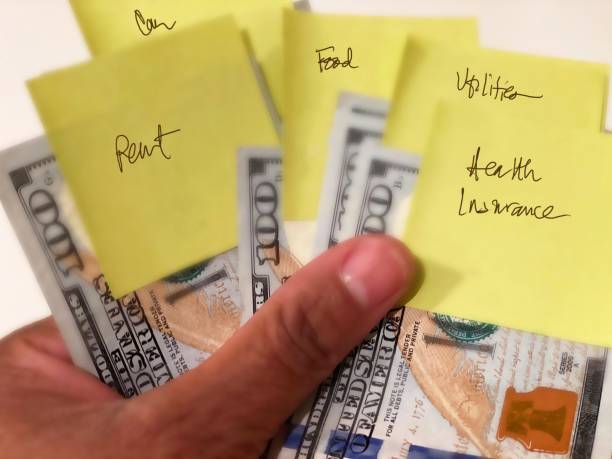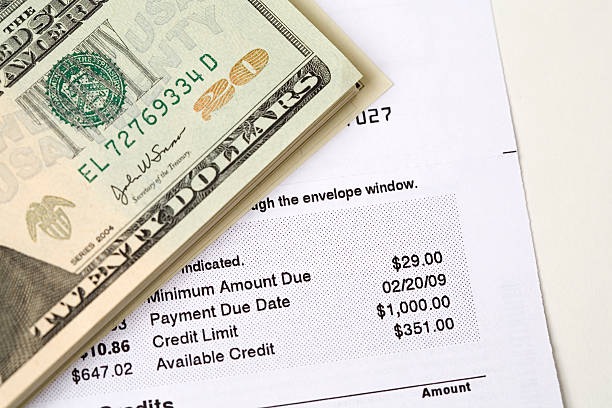
Most middle-class consumers think of debt in familiar categories. There are credit cards. There are car loans. There is a mortgage. These debts feel serious because they come with large balances, monthly statements, and obvious interest rates. But there is a quieter, more dangerous category of debt that often flies under the radar until it is too late. That category is utilities and services debt. When you miss a payment on your electricity, gas, water, or internet service, the consequences can be surprisingly severe. And worse, they tend to feed off each other.
Utilities and services debt is different from other types of debt because it is not optional. You do not have to use a credit card. You can drive an older car. But you need power in your home. You need water. Most people also need internet for work, school, and managing everyday life. Because these services are essential, creditors in this space have special powers that credit card companies do not have. In most states, an unpaid utility bill can lead to your service being shut off. A shut-off does not just mean inconvenience. It triggers a cascade of problems.
When your electricity or gas gets disconnected, there are reconnection fees. Those fees can range from fifty to two hundred dollars depending on your provider and your state. You also usually need to pay the entire past-due balance before service is restored. If you are already struggling to pay a single monthly bill, coming up with a lump sum that includes every missed payment plus extra fees can be nearly impossible. This is how a manageable debt becomes a crisis. A family that fell two months behind on a one-hundred-fifty-dollar electric bill suddenly owes five hundred dollars just to get the lights back on. That number is daunting for a household living paycheck to paycheck.
But the snowball does not stop there. Utility shut-offs are frequently reported to the major credit bureaus. A single delinquency can drop your credit score by fifty to one hundred points. If your credit score was already borderline, this drop can lock you out of affordable financing for a car, a home, or even a rental apartment. Landlords routinely check credit reports, and many will reject an applicant with a utility shut-off on their record. Suddenly, a missed payment on a basic service can make it harder to secure housing.
Internet and phone service debt behaves similarly. Cable and telecom companies are aggressive about unpaid balances. They will send the debt to a collection agency quickly. A collections account on your credit report is a significant negative marker. It stays there for seven years. That means one overdue internet bill from three years ago can still affect your ability to get a mortgage today. The amount of the original debt often matters less than the fact that it went to collections. Lenders see collection accounts as a sign that you are unreliable, even if the amount was small.
Water bills present their own unique danger. In many municipalities, a water lien can be attached to your property. This means that if you do not pay your water bill, the city can place a lien on your house. When you try to sell the home, that lien must be paid off first, often with interest and penalties. People who ignore small water debts for years can find themselves unable to close a home sale because they owe thousands of dollars in back fees and late charges. This is a brutal way to learn that ignoring a utility bill is not a solution.
Another overlooked aspect of utilities debt is the impact on household stability. When your power is shut off, you cannot refrigerate food. You cannot cook. You cannot run medical equipment. Some people try to cope by moving in with family or friends, which disrupts their lives and damages relationships. Children may miss school because they cannot shower or complete online assignments. These non-financial costs are real, and they compound the financial ones.
So what should a middle-class consumer do? The first step is awareness. Utility and service debt is not minor. Treat it with the same seriousness you would treat a credit card payment. If you are falling behind, contact the provider before the bill is due. Most utility companies have hardship programs, payment plans, and even emergency assistance funds. They would rather work with you than shut you off. It costs them money to disconnect and reconnect, and they know that a customer who pays late is better than a customer who never comes back.
You can also investigate local assistance programs. Many states have Low Income Home Energy Assistance Program funds, often called LIHEAP. Churches and nonprofit organizations sometimes offer short-term help with utility bills. It is worth spending an hour on the phone or online to find these resources. That hour could save you from a credit score disaster.
The most important takeaway is this: do not let a utility bill become a forgotten debt. It is small in the beginning, but it grows fast and pulls other parts of your financial life down with it. Treat it as an emergency. Because by the time you recognize it as one, the snowball has already started rolling.