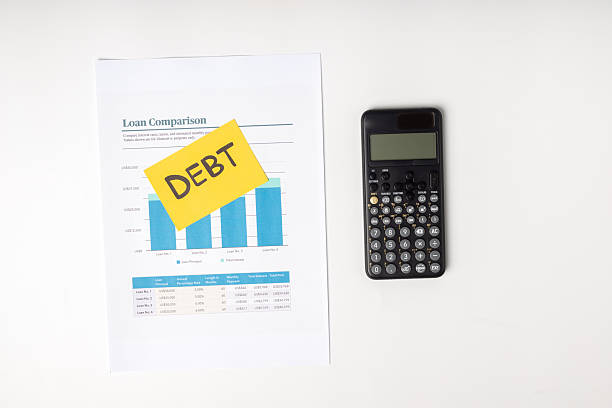
Finding yourself in debt because of past spending habits can feel overwhelming, but it is a situation many people face and overcome. The most important step is to shift your mindset from one of regret to one of proactive recovery. Your goal is not just to pay off the numbers on a statement, but to build a sustainable financial life that prevents you from falling back into the same cycle. The process requires honesty, a clear plan, and consistent action.
Begin by confronting the full scope of the situation. Gather all your statements—credit cards, personal loans, medical bills—and create a simple list. You need to know exactly who you owe, the total amount for each debt, the minimum monthly payment, and the interest rate. Seeing the complete picture is often the hardest part, but it is also the most liberating. You are no longer dealing with a vague sense of dread but with concrete numbers you can manage. This clarity is the foundation for everything that follows.
Once you understand what you owe, you must immediately stop the behavior that created the debt. This often means putting the credit cards away, or even cutting them up, to remove the temptation for new spending. Switch to using a debit card or cash for your daily expenses. This creates a necessary boundary between your current income and future borrowing. You cannot fill a leaking bucket without first plugging the holes. Simultaneously, scrutinize your current budget for any possible spending cuts. Look for subscriptions you don’t use, dining out expenses that can be reduced, or other discretionary spending that can be temporarily paused. Every dollar you free up becomes a tool for debt repayment.
With your debts laid out and new spending halted, you need to choose a repayment strategy. Two common methods are the “avalanche” and “snowball” approaches. The avalanche method focuses on paying the minimum on all debts, but putting any extra money toward the debt with the highest interest rate first. This is the mathematically optimal method, as it saves you the most money on interest over time. The snowball method, conversely, involves paying off your smallest debt balance first while making minimum payments on the rest. The quick win of paying off an entire account can provide a powerful psychological boost and momentum to keep going. Choose the method that best aligns with your personality and what will keep you motivated for the long haul.
While you work on your plan, communication with your creditors is a powerful and often underutilized tool. If you are struggling to make minimum payments, call your credit card companies or lenders directly. Explain your situation honestly and ask if they have any hardship programs. They may be willing to temporarily lower your interest rate, reduce your minimum payment, or even put your account on a fixed payment plan. It is in their interest to help you find a way to pay them back. Ignoring statements and calls will only lead to late fees, higher penalty interest rates, and damage to your credit score, making your situation worse.
As you work through your repayment plan, it is crucial to build a small emergency fund alongside your debt payments. This might seem counterintuitive—shouldn’t every spare dollar go to debt?—but without a cash cushion, an unexpected car repair or medical bill will force you back onto the credit cards, undoing your progress. Start by aiming for a modest five-hundred dollar fund in a separate savings account. This buffer is what allows your debt repayment plan to survive real life.
Finally, view this period not as a punishment, but as a financial reset. The discipline you build while paying off debt—tracking your spending, distinguishing wants from needs, and planning for the future—are the very skills that will secure your financial health long after the debts are gone. The journey out of debt is rarely a straight line, and there will be setbacks. The key is to not let a single misstep derail your entire plan. Acknowledge it, adjust, and continue moving forward. By taking control with a clear strategy, you are not just paying off past mistakes; you are investing in a more stable and confident financial future.