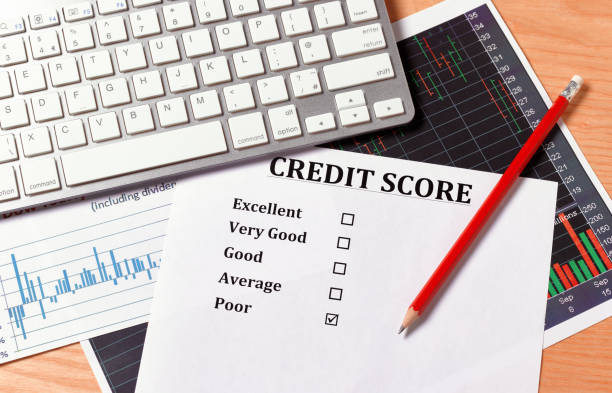
When most people think about credit, they picture credit card bills, loan applications, and interest rates. They rarely think about their monthly budget. But in reality, your personal budget is the single most powerful tool you have for building and protecting your credit. Without a solid budget, even the best financial intentions can fall apart. And once your credit takes a hit, it can take years to recover. Understanding how these two pieces connect will help you take control of your finances instead of letting them control you.
Your credit score is not a mystery. It is simply a reflection of your financial habits over time. The three main factors that determine your score are whether you pay your bills on time, how much debt you carry compared to your credit limits, and how long you have been using credit. Every one of these factors is directly influenced by your budget. Think about it. If you do not have a clear picture of your income and expenses, how can you be sure you will have enough money to pay your credit card statement when it arrives? Late payments are the fastest way to damage your credit, and they almost always happen because of poor budgeting, not because of a lack of income.
A personal budget does not have to be complicated. At its core, a budget is simply a plan for your money. You decide ahead of time how much will go toward necessities like housing, food, and transportation, how much will go toward savings, and how much will go toward debt payments and discretionary spending. The key is to make your budget realistic. If you tell yourself you will spend only fifty dollars a month on dining out, but you know you eat lunch out every workday, you are setting yourself up for failure. A budget that works is one that matches your actual habits while slowly nudging them in a better direction.
One of the most important parts of a budget when it comes to credit is the debt payment category. Many people carry credit card balances from month to month. The interest on those balances eats away at your available income, making it harder to stick to your budget. And the higher your balance relative to your credit limit, the more it hurts your credit score. This ratio, called credit utilization, is the second most important factor in your score. Experts recommend keeping your utilization below thirty percent. If you have a credit card with a ten-thousand-dollar limit, you should try to keep your balance under three thousand dollars. Your budget tells you exactly how much extra money you can throw at that balance each month. Without a budget, you might pay only the minimum, which barely covers the interest and keeps you trapped in debt.
Another way your budget protects your credit is by helping you build an emergency fund. Life throws surprises at everyone. A car repair, a medical bill, or a job loss can happen without warning. If you have no savings, the easiest way to cover an unexpected expense is to put it on a credit card. That one expense might push your balance over your ideal utilization ratio. Worse, if you cannot pay the card off quickly, you start accruing interest and falling behind on other bills. An emergency fund of just a few thousand dollars can prevent you from relying on credit when things go wrong. That fund is built by cutting back on nonessential spending, which is exactly what a budget helps you do.
Your budget also helps you avoid the trap of minimum payments. When you only pay the minimum on a credit card, you are essentially paying just enough to keep the account open while the interest piles up. A typical minimum payment might be twenty-five dollars or two percent of your balance. If you owe five thousand dollars at an eighteen percent interest rate, paying the minimum means it will take you more than twenty years to pay off the debt, and you will pay thousands in interest. A budget allows you to see exactly how much you can afford to pay above the minimum. Even an extra fifty dollars a month can cut years off your repayment timeline and improve your credit utilization ratio much faster.
It is also worth noting that your budget affects your ability to get new credit when you need it. Lenders look at your debt-to-income ratio, which is the total of your monthly debt payments divided by your gross monthly income. If that ratio is too high, lenders will either deny your application or offer you a higher interest rate. A well-managed budget keeps your debt payments in check, so you have room to take on a mortgage or a car loan when the time comes.
Finally, remember that a budget is not a punishment. It is a tool that gives you permission to spend money on the things that matter most to you while keeping your credit safe. If you hate tracking every penny, try an envelope system or a simple spreadsheet. The specific method matters less than the habit of checking in with your money at least once a week. Over time, that habit becomes second nature, and your credit score will reflect your discipline.
The bottom line is simple. You cannot manage your credit well if you do not manage your budget well. The two are linked at every point. Start by making a realistic plan for your income and expenses. Put debt repayment and emergency savings into that plan. Stick with it for a few months, and you will see improvements in both your bank account and your credit report.