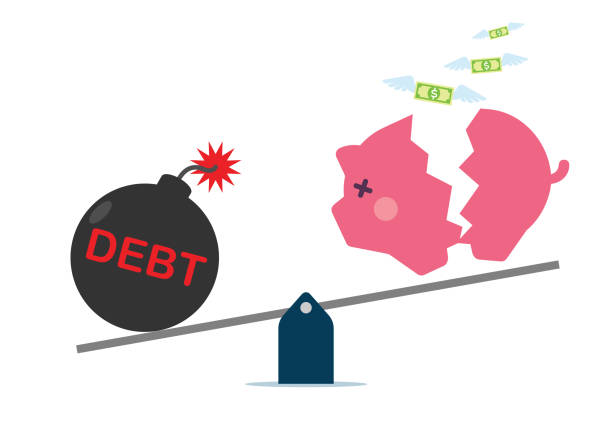
Healthcare costs are one of the most unpredictable expenses in a middle-class budget. Even with insurance, a single emergency room visit or surgery can leave you with a bill for thousands of dollars. When that bill arrives, many people look for a quick way to manage it. That is where medical credit cards come in. These cards are often offered right in the doctor’s office or at the hospital reception desk, promising zero percent interest for a set period. They sound like a good deal, but for many middle-class consumers, they lead straight into overextended debt.
Medical credit cards work just like store credit cards, but they are specifically for healthcare expenses. The most common brands include CareCredit and Alphaeon credit. A provider might suggest you apply for one when you need a major dental procedure, a vision surgery, or a medical test that your insurance does not fully cover. The main selling point is the promotional financing. You might see a offer like “No interest for six months” or “Deferred interest for twelve months.” That sounds harmless, and if you pay off the full amount before the promotional period ends, you actually pay no interest. The problem is that most people do not.
The catch is deferred interest. With deferred interest, if you do not pay the entire balance by the end of the promotional period, you are charged interest on the full original amount from the day you made the purchase. And that interest is high usually ranging from twenty to thirty percent. So if you borrowed three thousand dollars for a dental implant and thought you could pay it off in ten months, but only managed to pay off two thousand before the deadline, you will not only owe interest on the remaining thousand. You will owe interest on the entire three thousand, all the way back to day one. That bill can jump by hundreds of dollars overnight.
For a middle-class family, this is exactly how healthcare debt turns into overextended debt. You already have regular monthly expenses like mortgage or rent, car payments, student loans, and everyday living costs. Adding a surprise interest charge of five hundred or a thousand dollars can push your budget past the breaking point. You might then put that extra cost onto a regular credit card, which has its own high interest. Before long, you are making minimum payments on multiple accounts and watching the total debt grow.
Medical credit cards are especially dangerous because they are often marketed to people who have just received bad news about their health. You are not in a calm, rational state when your dentist tells you that a root canal is urgent or your surgeon says you need a procedure to avoid further damage. You want to say yes to the treatment, and the card seems like the easiest way to get it done. The provider does not have to explain the fine print in detail. They just hand you a tablet and say, “You can apply right here, and you will probably be approved in a minute.”
There is also the issue of minimum payments. Even if you are making the minimum payment each month, you can still be hit with the deferred interest. The minimum payment on a medical credit card is typically set so low that you will not pay off the full balance in time. For example, on a five-thousand-dollar balance, the minimum might be just one hundred dollars a month. In twelve months, you would have paid only twelve hundred dollars, leaving nearly four thousand unpaid. That means deferred interest hits on the full five thousand. You end up owing far more than you originally borrowed.
Middle-class consumers often think they are careful with credit. They check their credit score, pay their bills on time, and avoid store cards. But medical credit cards have a way of bypassing that caution. The promotional period feels like a safety net. You assume you will find the money somewhere maybe from a tax refund, a bonus, or by cutting back on eating out. But life does not always cooperate. Another medical bill shows up, your car breaks down, or you lose some overtime at work. Suddenly the promotional deadline is a week away, and you are still three thousand dollars short.
The result is that healthcare debt, which started as a single medical bill, spreads into other areas of your finances. You might start putting groceries on a regular credit card because your cash is tied up paying the medical card. You might miss a student loan payment or let your insurance premiums lapse. Overextended debt is not just about having a high balance. It is about having too many obligations that together exceed your ability to pay. Medical credit cards are a fast track to that situation.
What can you do instead? If you have a large healthcare bill, your first move should be to talk to the hospital or doctor’s billing office. Many providers will set up a no-interest payment plan directly with you. They do not advertise this because they make money when you use a medical credit card, but it is often available if you ask. You can also negotiate the total bill. Hospitals sometimes accept a lower amount if you can pay a lump sum. Another option is to use a health savings account if you have one, or to borrow from your own emergency fund. If you must use credit, a regular credit card with a zero percent balance transfer offer may be safer than a medical credit card with deferred interest, because most regular cards offer true zero percent on purchases for a fixed term with no retroactive charge.
The key is to never sign up for a medical credit card in the moment. Always wait. Go home, look at your budget, and figure out a realistic payment plan. If you cannot pay the full medical bill in a few months, then a promotional card is not the answer. You are better off paying slowly through a direct arrangement with the provider. That way, you avoid the trap of deferred interest and keep your healthcare debt from turning into overextended debt that complicates your whole financial life.