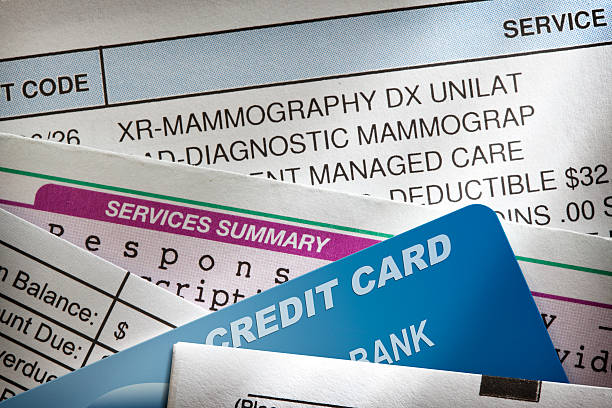
Medical debt is a different beast from other types of debt. Unlike a car loan or a credit card balance, a medical bill often comes without warning, without a clear payment plan, and without you having any say in the price. For middle-class consumers who typically have health insurance, a single emergency room visit or a surgery with a surprise out-of-network charge can still lead to thousands of dollars in unexpected bills. When those bills go unpaid, they can end up on your credit report and damage your credit score, making it harder to buy a house, get a car loan, or even rent an apartment. Fortunately, recent changes in how credit reporting agencies handle medical debt have made a real difference.
The biggest change happened in 2022 and 2023. The three major credit bureaus – Equifax, Experian, and TransUnion – announced they would no longer include paid medical collections on credit reports. That means if you had a medical bill that went to collections but you eventually paid it off, that negative mark is now supposed to disappear. Before this change, a paid collection could hang around for seven years, dragging down your score even after you had done the right thing. Now, once it is paid, it is gone.
Even more helpful, unpaid medical collections under five hundred dollars are also no longer reported. That covers a huge number of small bills that might have slipped through the cracks – a copay you forgot, a lab charge you did not realize was not covered, or a minor emergency room fee. If the original debt is under five hundred dollars and never gets paid, it will not show up on your credit report. This prevents a tiny oversight from turning into a major credit problem.
But larger unpaid medical debts can still appear. If you have a hospital bill for, say, three thousand dollars that goes to collections and you do not pay it, that collection account will be listed on your credit report and will lower your score. The good news is that medical collections are treated slightly differently than other collections in terms of scoring models. Some newer versions of the FICO score give less weight to medical debt than to credit card or loan debt, recognizing that medical bills are often not a sign of reckless spending. Still, a large unpaid medical collection can knock a hundred points off your score or more, depending on your overall credit profile.
What should you do if you get a big medical bill you cannot pay right away? First, do not ignore it. Ignoring a bill is the fastest way to get it sent to a collection agency. Instead, call the hospital or doctor’s billing office directly. Most hospitals have financial assistance programs, even for middle-class patients who do not qualify for charity care. Ask about a payment plan. Many providers will let you pay over six, twelve, or even twenty-four months with no interest. If you can afford even a small monthly payment, that keeps the account current and prevents it from going to collections.
If the bill is already in collections, you still have options. Before paying a collection agency, verify that the debt is really yours and that the amount is accurate. Medical billing errors are common – double charges, wrong insurance codes, and services you never received. You can request a validation letter from the collection agency that itemizes the charges. If you find an error, dispute it with the credit bureau.
If the debt is correct and you want to pay it, consider a pay-for-delete agreement. This is a written deal where you agree to pay the full amount or a settlement, and the collection agency agrees to remove the account from your credit report entirely. Not all agencies will agree, but it is worth asking. Once the debt is paid, confirm that the credit bureau has removed it. Under the new rules, paid medical collections should disappear automatically, but it is wise to check your credit report after thirty to sixty days.
Another important point: medical debt does not start accumulating late fees or interest as quickly as credit card debt. Most hospitals give you at least thirty days before charging interest, and some offer zero-interest plans for longer periods. Use that breathing room to sort out insurance claims or negotiate. Also, if you have health insurance, make sure you have appealed any denied claims before paying out of pocket. Many middle-class consumers assume a denied claim means they owe the full amount, but sometimes a simple appeal can get it covered.
For long-term planning, keep an emergency fund that specifically covers your health insurance deductible. A typical family deductible might be three to six thousand dollars. If you have that amount saved in a separate account, an unexpected medical bill becomes a cash expense rather than a debt that damages your credit. And if you are self-employed or have a high-deductible plan, consider a health savings account. Contributions are tax-free, and the money can be used for medical expenses without any penalty.
Finally, monitor your credit regularly. You can get a free copy of your credit report from each bureau once a year at annualcreditreport.com. Check for any medical collections and address them quickly. The rules have shifted in your favor, but you still have to act. Medical debt does not have to ruin your credit if you know how to handle it.