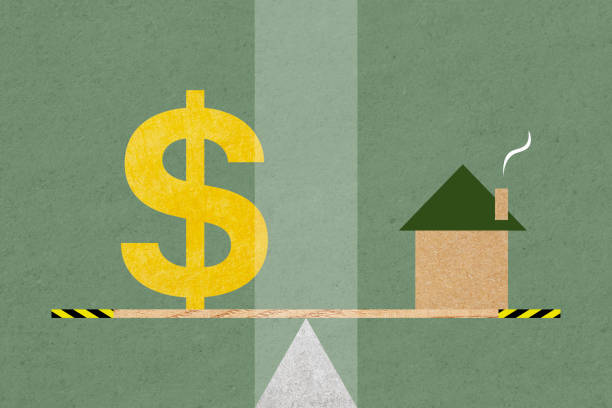
The aspiration to own a home often coincides with the reality of carrying debt, creating a common financial crossroads. Balancing the urgency of paying off liabilities with the long-term goal of saving for a down payment is a delicate act, requiring strategic planning and psychological fortitude. Success lies not in choosing one goal over the other, but in crafting a synchronized approach that addresses both responsibly, thereby building a more stable financial foundation for the future.
The first step in this journey is a thorough and honest assessment of your entire financial landscape. This means listing all debts—credit cards, student loans, auto loans, and personal loans—alongside their interest rates and minimum monthly payments. Simultaneously, calculate your essential monthly expenses and discretionary spending. This clarity is paramount, as the interest rates on your debts will heavily influence your strategy. High-interest debt, typically from credit cards, acts as a financial emergency, eroding your wealth far faster than a savings account can build it. Allowing such debt to persist while saving for a house is akin to filling a bucket with a hole in the bottom; the potential growth of your down payment fund is negated by the costly drain of accruing interest. Therefore, a consensus among financial advisors is to prioritize aggressively paying off high-interest debt before allocating significant funds to savings.
However, a singular focus on debt repayment can leave you vulnerable and stagnant in your other goals. This is where the concept of a balanced, hybrid model proves effective. Begin by establishing a small, foundational emergency fund—perhaps one to two thousand dollars—to prevent new debt from life’s unexpected expenses. Next, while maintaining minimum payments on all lower-interest debts, channel extra funds toward eliminating high-interest obligations. Concurrently, even a modest, automatic monthly transfer to a dedicated high-yield savings account for your down payment can be psychologically and practically beneficial. This “saving while paying” approach maintains momentum toward homeownership, harnessing the power of compound interest over time, and keeps the goal visually present, which sustains motivation.
Once high-interest debt is eliminated, the equilibrium of your allocations can shift. The funds previously directed at debt payments can now be divided between accelerating the payoff of remaining lower-interest debt, such as federal student loans, and boosting your down payment contributions. This phase requires careful consideration. If the interest rate on your remaining debt is low and potentially tax-deductible, like some student loan interest, a more aggressive savings plan may be warranted, especially if home values in your target area are rising. The ultimate objective is to enter homeownership without the burden of high-interest consumer debt, as mortgage lenders will scrutinize your debt-to-income ratio, and carrying excessive debt could jeopardize loan approval or lead to unsustainable monthly payments.
Throughout this process, refining your budget is non-negotiable. Scrutinize discretionary spending for areas to trim, and consider avenues to increase your income through side work or career advancement. Every dollar redirected is a dollar that can be split between your dual targets. Furthermore, research first-time homebuyer programs in your state or locality, as many offer assistance with down payments or favorable loan terms, which can alter your savings timeline. Remember, the down payment is just the initial cost; you must also budget for closing costs, moving expenses, and the immediate maintenance needs of a new home.
Ultimately, balancing debt repayment with saving for a house is a marathon, not a sprint. It demands patience, discipline, and a willingness to adapt your plan as circumstances change. By systematically eliminating high-interest debt, cultivating a consistent savings habit, and making intentional budgetary choices, you can transform this financial tightrope walk into a clear path. The reward is profound: stepping across the threshold of your own home not only as a homeowner but as one liberated from the most oppressive forms of debt, poised for a future of greater financial security and personal achievement.