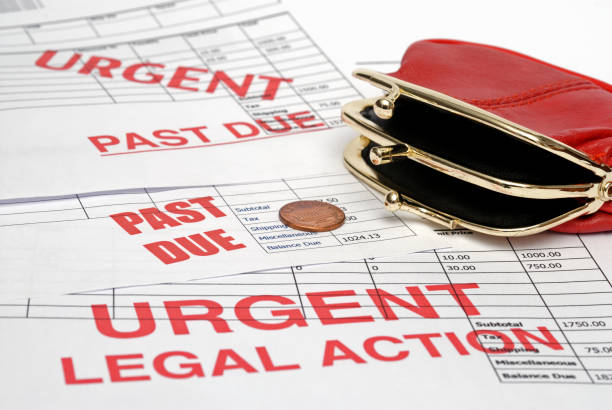
When faced with mounting utility debt, the immediate pressure to restore essential services like electricity, water, or gas can lead to hasty financial decisions. The core question of whether to use a loan or a credit card to bridge this gap is not one with a universal answer, but rather a strategic choice that hinges on individual circumstances, interest rates, and financial discipline. Both options offer a pathway to solvency, but they carry distinct implications for your financial health in the short and long term.
A personal loan often presents a more structured and potentially cost-effective solution for consolidating utility debt. Typically, personal loans are installment loans with fixed interest rates and a set monthly payment over a predetermined term, often ranging from one to five years. This predictability is a significant advantage; you know exactly when the debt will be paid off and how much each payment will be, allowing for easier budgeting. Crucially, if you have good credit, you may qualify for a loan with an annual percentage rate (APR) that is substantially lower than the standard interest rate on a credit card. This lower rate can translate into meaningful interest savings over time, making the total cost of your utility debt cheaper. Furthermore, successfully paying off an installment loan can positively impact your credit mix, potentially boosting your credit score. However, loans often require a formal application and credit check, and the most favorable terms are reserved for those with strong credit histories. For individuals with poor credit, loan options may carry high interest rates or be unavailable, pushing them toward alternative solutions.
Conversely, using a credit card to pay off utility bills introduces a different set of dynamics, primarily revolving around flexibility and potential short-term tactics. The most glaring risk is the typically high APR associated with credit card purchases. Carrying a balance on a card with a 20% or higher APR can cause your original utility debt to balloon rapidly, creating a more severe financial problem. This makes a standard credit card a generally poor long-term tool for debt repayment unless you are certain you can pay the balance in full before interest accrues. However, credit cards can be strategically useful in specific scenarios. The most prominent is utilizing a balance transfer credit card offering a 0% introductory APR period. If you can transfer your utility debt to such a card and pay it off completely within the promotional window—often 12 to 18 months—you can effectively pay zero interest. This requires immense discipline and a reliable plan to eliminate the balance before the high standard rate kicks in. Additionally, some cards offer rewards or cash back on payments, providing a minor perk, but this should never outweigh the primary concern of managing interest costs.
Ultimately, the decision between a loan and a credit card rests on a clear-eyed assessment of your financial landscape. If you qualify for a low-interest personal loan and prefer the stability of a fixed payment plan, it is likely the safer and more economical route. It transforms a stressful, overdue balance into a manageable, scheduled obligation. If you possess excellent discipline and can secure a 0% APR balance transfer offer, a credit card could serve as an interest-free bridge, but it is a path fraught with risk if the balance is not cleared in time. Before choosing either option, it is also prudent to contact your utility providers directly; many offer hardship programs, payment plans, or forgiveness options that may not require taking on new debt at all. In the journey to financial stability, the best tool is not merely the one that solves today’s crisis, but the one that prevents a deeper crisis tomorrow.