The countdown to retirement is supposed to be filled with anticipation for freedom and relaxation. But if you’re looking at that horizon with a significant amount of debt—whether from credit cards, a mortgage, or personal loans—that excitement can quickly turn into anxiety. The pressing question becomes: should you delay your retirement? For many in this situation, the answer, though difficult, is often a cautious “yes.” Pushing back your retirement date by even a few years can be the most powerful tool you have to secure your financial future and transform your golden years from a period of stress into one of genuine enjoyment.
The core issue with retiring while carrying high debt is the fundamental shift in how you manage money. During your working years, you have a regular paycheck to cover minimum payments, chip away at balances, and handle life’s surprises. Retirement, however, typically means living on a fixed income from sources like Social Security, pensions, and savings withdrawals. Adding substantial monthly debt payments to essential living costs like housing, food, and healthcare can strain that fixed income to the breaking point. You might be forced to withdraw from your retirement savings much faster than planned just to service debt, dramatically increasing the risk of outliving your money. What was meant to last 20 or 30 years could be depleted in half that time.
This is where delaying retirement offers concrete, multifaceted benefits. The most immediate impact is the continuation of your full salary. Instead of starting to draw down your savings, you can use these additional years of earned income to aggressively pay down debt. Every dollar you put toward principal reduces your future monthly obligations and the total interest you’ll pay. Focusing on high-interest debt, like credit cards, should be the top priority. Continuing to work also allows you to maintain your employer-sponsored health insurance, which is crucial before Medicare kicks in at age 65, preventing you from needing to fund expensive private plans or dip into savings for medical costs.
Furthermore, delaying retirement supercharges your savings in three critical ways. First, it gives your existing retirement investments—like those in your 401(k) or IRA—more time to grow without you touching them. This compound growth is a powerful force. Second, it allows you to make additional contributions to these accounts, potentially at your highest earning years’ levels. Third, and perhaps most significantly, it increases your future Social Security benefits. For each year you delay claiming benefits beyond your full retirement age up to age 70, your monthly payment increases by a guaranteed percentage. This results in a higher, inflation-adjusted income stream for the rest of your life, which is invaluable when managing debt payments.
Of course, the decision isn’t purely mathematical. Your health, job satisfaction, and overall well-being are paramount. Delaying retirement doesn’t necessarily mean staying in a high-stress role for five more years. Consider a phased approach. Could you negotiate part-time hours or a less demanding position with your current employer? Could your skills translate into consulting work or a more enjoyable, lower-pressure “encore career” that still provides income? Even a modest part-time income can make a huge difference by covering your debt payments or living expenses, allowing your Social Security and savings more time to grow.
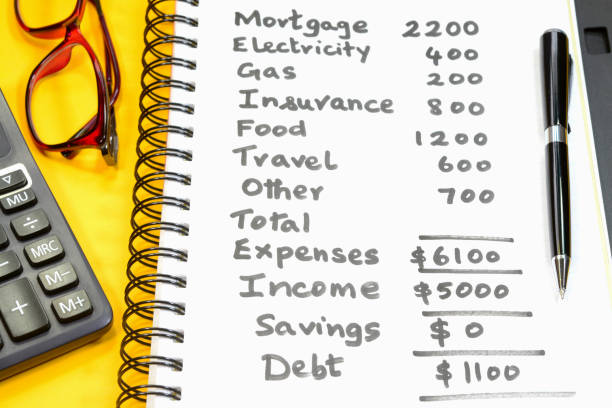
Before making a final decision, a clear assessment is essential. Sit down and list all your debts, noting balances, interest rates, and minimum payments. Then, project your realistic retirement income from all sources. Can that income comfortably cover your essential living expenses plus your debt payments? If the numbers show a shortfall, delaying retirement is the most straightforward path to bridge that gap. It’s also wise to speak with a fee-only financial advisor who can provide personalized projections and strategies.
Ultimately, retiring with high debt is a major risk that can undermine decades of hard work. While delaying retirement requires sacrifice and a shift in plans, it provides the time, income, and strategic leverage to enter your next chapter on solid ground. Those extra years of work can be reframed not as a loss of freedom, but as an investment in a retirement defined by financial peace and true independence, free from the heavy burden of monthly debt payments. By giving yourself this additional runway, you trade a few more years of work for the potential of many more years of secure and enjoyable retirement.