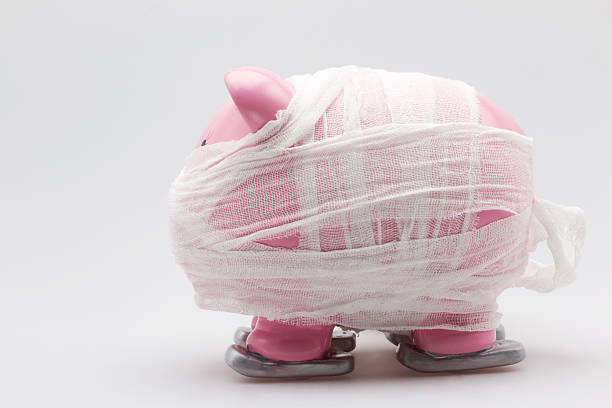
For many middle-class consumers, a sudden expense—a car repair, a medical bill, or a utility shut-off notice—can throw the monthly budget into chaos. In that moment, a payday loan looks like a lifeline. The process is fast, the store is on the corner, and you walk out with cash in hand. But that lifeline is actually a noose. Payday lending is one of the most common and destructive forms of predatory lending in America, and understanding how it works is the first step to avoiding it.
At its simplest, a payday loan is a small, short-term loan that you agree to repay with your next paycheck. The amounts are usually a few hundred dollars, and the typical term is two weeks. The lender asks for a postdated check or access to your bank account. In exchange, you get cash immediately. The problem is the cost. A typical payday loan charges a fee of fifteen to twenty dollars for every hundred dollars borrowed. That might not sound outrageous until you do the math. For a two-week loan of three hundred dollars with a fifteen-dollar fee per hundred, you pay forty-five dollars in fees. That translates to an annual percentage rate—the standard way to measure the cost of borrowing—of nearly four hundred percent. By comparison, a credit card might charge twenty-five percent, and a personal loan from a bank might charge ten percent. The payday loan industry is built on this staggering difference.
The trap is not the fee itself, but the cycle it creates. Most borrowers cannot afford to repay the full loan plus the fee in just two weeks. So they do what the lender expects: they roll over the loan. That means paying another fee to extend the loan for another two weeks. Roll over three or four times, and you have paid more in fees than the amount you originally borrowed, while still owing the full principal. The Consumer Financial Protection Bureau has found that more than eighty percent of payday loans are rolled over or followed by another loan within fourteen days. The industry depends on repeat customers, not one-time borrowers. That is why lenders set up shop in low-income and middle-income neighborhoods, not wealthy ones. They need people who are short on cash and short on options.
Predatory lending targets people who are already financially vulnerable. The middle-class consumer who takes out a payday loan is often someone with a steady income but no emergency savings, or someone who has already maxed out credit cards and cannot get a traditional bank loan because of past credit problems. The lender does not check your ability to repay in any meaningful way. They just need to see a pay stub and a bank account. They know that if you default, they can drain your account with fees, overdraft penalties, and collection calls. The terms are designed to make it nearly impossible to escape without taking on more debt.
What makes payday lending predatory is not just the high cost. It is the structural unfairness. The lender controls the terms, the repayment schedule, and the penalties. The borrower has no bargaining power. State laws vary widely. Some states have capped interest rates or banned payday lending altogether. Others allow rates that exceed six hundred percent annually. The industry spends heavily on lobbying to keep these laws weak, arguing that they provide a necessary service for people who cannot get credit elsewhere. But that argument ignores the harm. A service that pushes people into a cycle of debt is not a service—it is an extraction of wealth from people who can least afford it.
There are alternatives. Credit unions often offer small-dollar loans with reasonable rates. Some employers provide paycheck advances or emergency loan programs. Nonprofit credit counseling agencies can help negotiate with creditors or set up a debt management plan. Even using a credit card for a cash advance, with its high but far lower rate, is a better option than a payday loan. The key is to plan ahead. Building a small emergency fund of five hundred to a thousand dollars can cover most of the sudden expenses that drive people to payday lenders. It is not easy to save that money when every dollar is already spoken for, but even fifty dollars a month adds up.
If you are already in a payday loan cycle, do not simply roll it over again. Contact a nonprofit credit counselor. Some states have repayment programs that allow you to go on a payment plan without additional fees. You may also be able to negotiate directly with the lender—some will agree to a settlement because they would rather get something than nothing. The most important step is to break the cycle. Every time you roll over, you pay another fee and get no closer to being debt-free.
Payday loans are a textbook example of predatory lending: a product that looks like a solution but is really a problem. The borrower walks in needing help with a short-term cash shortfall. The lender promises that help but structures the loan so that the borrower will stay trapped for months or years. Middle-class consumers are not immune. A single financial shock can push anyone into this corner. The best defense is knowledge. Understand the real cost, recognize the trap, and know that there are other ways to get through a rough spot that do not put your future on the line.