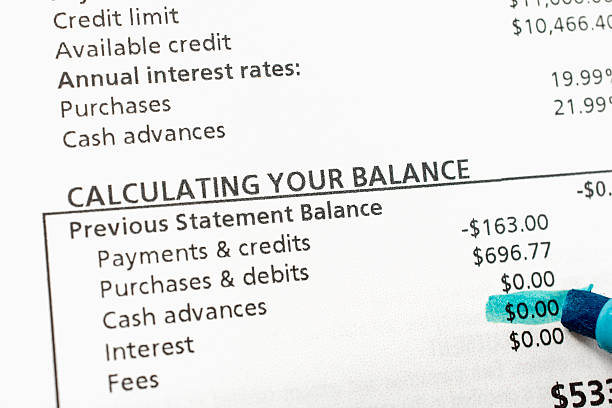
The weight of financial obligation is a common burden in modern life, but when the anxiety surrounding debt transforms from a nagging concern into a consuming force, it signals a need for intervention. Determining the precise moment to seek professional help for debt-related stress is less about a specific dollar amount owed and more about observing how that debt infiltrates and degrades one’s mental, physical, and behavioral well-being. Professional guidance becomes not merely a financial strategy but a critical act of self-preservation when stress manifests in pervasive ways, impairs daily functioning, or leads to hopelessness.
The first and most telling indicators are often psychological and emotional. When thoughts of debt become intrusive and inescapable, dominating quiet moments and fueling constant worry, it is a sign that internal coping mechanisms are overwhelmed. This may present as persistent anxiety, a sense of dread when checking mail or answering the phone, or feelings of shame and failure that erode self-esteem. If this emotional toll escalates into symptoms of depression—such as a loss of interest in activities, changes in sleep patterns, or a pervasive sense of hopelessness about the future—the situation has moved beyond simple budget management. When an individual begins to believe there is “no way out,“ professional help is essential to address both the financial trap and the psychological prison it has created.
Equally critical are the physical manifestations of chronic stress. The mind and body are inextricably linked, and unrelenting financial pressure often materializes as somatic symptoms. These can include persistent headaches, digestive issues, muscle tension, heart palpitations, or a compromised immune system leading to frequent illnesses. When debt-related worry consistently disrupts sleep, leading to insomnia or fatigue, it creates a vicious cycle where exhaustion impairs decision-making, potentially worsening the financial situation. Ignoring these physical warnings can have serious long-term health consequences, making professional intervention a matter of holistic health, not just fiscal health.
Professionals should also be sought when stress precipitates detrimental behavioral changes. This includes social withdrawal, as individuals may avoid friends and family out of embarrassment or an inability to afford social activities. More alarmingly, it may involve engaging in high-risk coping mechanisms, such as increased alcohol consumption, substance use, or compulsive behaviors like gambling in a desperate attempt to solve the problem. Financially, behavioral red flags are glaring: making only minimum payments while relying on credit for daily essentials, using one credit line to pay another, or repeatedly missing payments entirely. These actions are often driven by panic and a feeling of being lost, precisely when the structured advice of a credit counselor or financial therapist is most needed.
Finally, seeking help is urgent when debt begins to threaten one’s fundamental stability. The looming prospect of eviction, foreclosure, utility shut-offs, or repossession of essential assets like a vehicle represents a crisis point. Similarly, if interactions with creditors have become hostile or if legal action, such as wage garnishment, has begun, navigating the complexities alone is immensely difficult. At this stage, non-profit credit counseling agencies, debt attorneys, or licensed insolvency trustees can provide not only strategic plans but also negotiate with creditors and offer legal protections that are inaccessible to individuals acting alone.
In essence, the threshold for seeking professional help is crossed when debt stress ceases to be a problem one has and becomes a state in which one lives. It is the point where worry becomes despair, where concern becomes physical illness, and where private financial struggle begins to dismantle relationships and safety. Acknowledging this need is not an admission of defeat but a courageous step toward reclaiming control. Professional help, whether from a financial advisor, a credit counselor, or a mental health professional, provides the tools, perspective, and support to transform a solitary struggle into a manageable journey toward solvency and peace of mind.