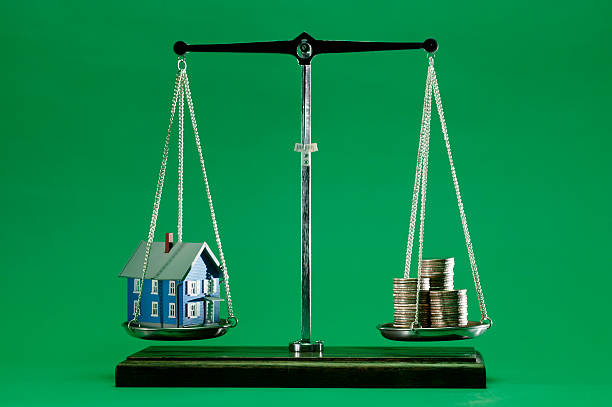
The question of whether to accelerate mortgage payments is a significant financial crossroads for many homeowners. On one hand, the psychological freedom of owning your home outright is profoundly appealing. On the other, modern financial theory often champions investing extra capital for higher long-term returns. The answer, frustratingly, is not universal; it hinges on a personal interplay between financial circumstances, emotional temperament, and life goals. Ultimately, prioritizing your mortgage early is less a financial calculation and more a holistic lifestyle choice.
The most compelling argument for paying off a mortgage early is the guaranteed, risk-free return. Every extra dollar applied to your principal saves you the future interest you would have paid on that dollar, effectively earning you your mortgage interest rate. In a climate of elevated interest rates, this guaranteed return of, say, 6% or 7% can be very attractive compared to volatile markets. Beyond the math, the emotional and psychological benefits are immense. The security of owning your home free and clear provides unparalleled peace of mind, reducing monthly financial pressure and offering a sturdy foundation in economic downturns. This debt-free status also simplifies retirement planning, as a major living expense is eliminated, allowing for a more flexible and secure post-work life.
However, the case against prioritizing mortgage payoff is rooted in opportunity cost and liquidity. Historically, the average return of a diversified stock market portfolio has exceeded the interest rate on many mortgages, especially those secured in periods of low rates. By directing extra funds into the market, you potentially build greater wealth over the long term, albeit with accepted risk. Furthermore, a mortgage is typically the cheapest form of debt available to individuals, often tax-advantaged in some jurisdictions. Tying up capital in home equity also reduces liquidity; cash sunk into your house is not easily accessible without a refinance or sale. In a financial emergency, a robust investment account is far more flexible than home equity.
Therefore, the decision must be guided by a careful self-assessment. First, examine your mortgage interest rate. If it is high, the guaranteed return from paying it down is more competitive. If it is very low, the mathematical incentive to invest is stronger. Second, and most critically, you must have a solid financial foundation before considering extra mortgage payments. This means having no high-interest debt, such as credit cards or personal loans, which should always be eliminated first due to their exorbitant costs. It also means fully funding an emergency savings account with three to six months of expenses and being on track with retirement contributions. Accelerating mortgage payments is a luxury for those already financially secure.
Your personal risk tolerance and psychological makeup are equally vital. If market fluctuations cause you significant anxiety, the guaranteed return and emotional calm of mortgage reduction may be worth more than any potential market gains. Conversely, if you are a disciplined investor comfortable with volatility, investing the difference may align better with your temperament. Life stage also matters; someone a decade from retirement may prioritize eliminating debt, while a younger homeowner might focus on long-term growth.
In conclusion, the choice to prioritize your mortgage is deeply personal. For the financially disciplined individual with a low-rate mortgage and high risk tolerance, investing surplus funds likely offers a stronger mathematical path to wealth accumulation. Yet, for the individual who values security, simplicity, and freedom from debt above all, the psychological return on paying off a home can be priceless. There is also a prudent middle path: one could split extra funds between mortgage prepayment and investments, thereby hedging both strategies. Regardless of the path chosen, it should follow a clear-eyed evaluation of your complete financial picture, ensuring that the pursuit of a debt-free home does not come at the cost of overall financial health and flexibility. The best choice is the one that lets you sleep most soundly at night, in the home you are working so hard to own.