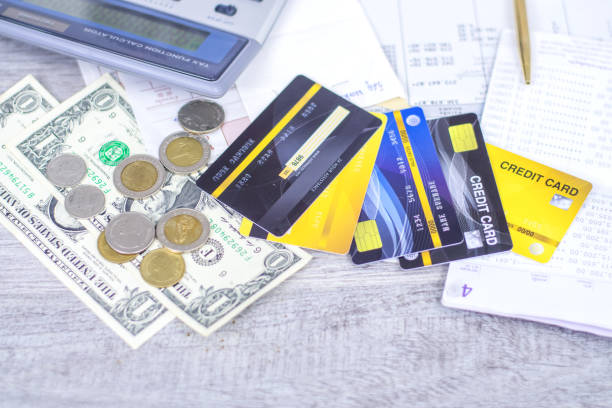
Credit card balances rarely jump overnight. Most creep up through small, reasonable-feeling purchases that happen without much thought. A lunch here, a sale item there, a quick online order when you are bored or stressed. Each purchase seems harmless on its own. Added together over a month, they can turn into a balance that is harder to pay off than expected. The 24-hour rule is a simple conscious spending habit that puts space between wanting something and paying for it. It is especially useful with credit cards because spending does not feel like spending when no cash leaves your hand.
The rule is easy to use. When you are about to make a nonessential purchase with a credit card, wait 24 hours before buying it. Write the item down or put it in a note on your phone. If you still want it the next day and it fits your spending plan, buy it. If the urge has faded, skip it. This habit does not require a complicated budget app or a finance degree. It simply asks you to separate desire from decision. For larger purchases, wait longer. For groceries, gas, and bills, use your normal planning. The point is not to delay everything. The point is to stop automatic credit card spending from making choices for you.
The 24-hour rule works well for credit because small purchases can create long-term costs. When you carry a balance, interest makes the total price higher than the sticker price. A $40 purchase can end up costing much more if it stays on a card for months. Small purchases also affect how much of your credit limit you use. Using a large share of your available credit can hurt your credit score, even if you pay on time. By pausing first, you give yourself a chance to keep your balance lower and pay more of it off each month.
Conscious spending means deciding ahead of time where your money should go. The 24-hour rule supports that by making room for intention. Before you shop, set a limit and know what you plan to buy. Keep a short list. When something not on the list catches your eye, use the waiting rule. Avoid browsing shopping apps when you are bored. Unsubscribe from marketing emails that tempt you. Remove saved card information from shopping sites so checkout takes more effort. These steps are not about never buying fun things. They are about choosing fun things on purpose instead of letting convenience and marketing choose for you.
It also helps to look at your “wants” over a full month. Many people find that small credit card purchases cluster around stress, boredom, or convenience. The 24-hour rule gives you time to choose a different response. Take a walk, cook something at home, call a friend, or work on a hobby. If you still buy the item after waiting, record it without shame. The information is useful. It shows you where your money goes and which purchases bring real value. Over time, you can adjust your spending plan based on facts instead of guesses.
Households can use the rule together. Agree that purchases over a certain amount get a 24-hour wait. This is not about control. It is about shared decisions and fewer surprises when the credit card statement arrives. Keep a waiting list on the fridge or in a shared note. Review it once a week. You may find that most items lose their appeal, while a few are worth planning for.
The 24-hour rule is not a cure for every money problem, but it is a strong prevention strategy. It protects your credit by reducing impulse purchases, keeping balances lower, and making credit card use more intentional. It also builds the habit at the heart of conscious spending: deciding what matters before you decide what to buy. A day of waiting can save weeks of payments and stress.