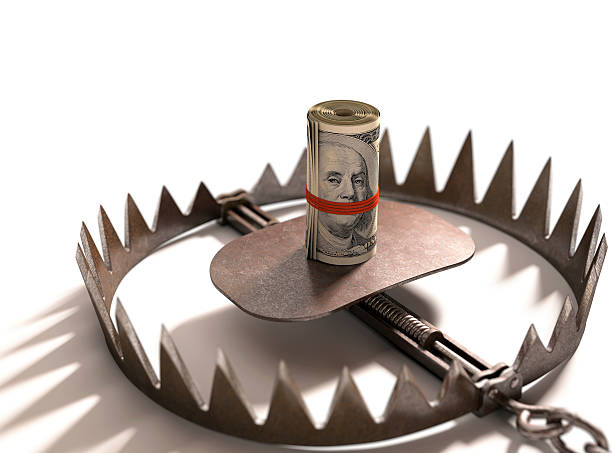
You see something online. It’s on sale. A limited-time offer. Your brain tells you that you deserve it, that it will make life easier, that the price might never be this good again. So you click buy. A week later, the package arrives, you open it, and you realize you didn’t really need it. Maybe you even forget you ordered it. This happens to almost everyone at some point. The good news is that there is a simple, free tool you can use to protect your wallet and your credit score. It’s called the 24-hour rule.
The 24-hour rule is straightforward. When you feel the urge to buy something that is not a necessity, you wait a full day before making the purchase. That’s it. If you still want it tomorrow, you can buy it then. If you forget about it, or the urge fades, you save your money. This rule works because it interrupts the emotional part of your brain that drives impulse purchases. When you see something you want, your brain releases a little burst of excitement. That excitement can override your common sense. Waiting 24 hours lets that feeling settle down. After a day, you are thinking clearly again, not just reacting.
Why does this matter for your credit? It’s simple. When you spend less on impulse items, you have more money left over to pay your bills on time. And paying your bills on time is the single biggest factor in your credit score. Many middle-class consumers find themselves carrying balances on credit cards because they bought a lot of small things that added up. It’s rarely one big purchase that breaks the budget. It’s the $15 here, the $30 there, the constant stream of “treats” that quietly eat up your paycheck. Over a month, those small purchases can easily total $200 or more. Over a year, that’s thousands of dollars that could have gone toward debt reduction, savings, or even a vacation.
The 24-hour rule is especially useful for online shopping. Because everything is so easy, you can buy things while you are sitting on your couch, waiting for a bus, or even in the middle of a conversation. The friction of walking to a store and handing over cash is gone. That convenience works against you. To apply the rule, when you see something you want, do not click “buy now.” Instead, put it in a saved list or add it to your cart and then close the app. Tell yourself that you will revisit it tomorrow. Then, the next day, ask yourself a few simple questions. Do I have a specific use for this? Will it matter in a month? Can I afford it without using credit card debt? If the answer to any of those is no, skip it.
For in-person purchases, the rule is a bit harder because you are already in the store. But you can still apply it. If you are shopping and see something you want but didn’t plan to buy, do not buy it that day. Walk away. If you truly need it, you can come back the next day. Most things are not so rare that they will disappear in 24 hours. And if they do, that scarcity is probably a marketing trick anyway. The store wants you to feel urgency. The 24-hour rule turns that trick on its head. You are the one in control.
This rule works for services too. That includes subscriptions, meal plans, gym memberships, and online courses. Before you sign up for anything that involves a recurring charge, wait a day. Ask yourself if you will still use it next month. Many credit problems come from unused subscriptions that keep draining small amounts from your account. A 24-hour wait can stop that before it starts.
One common worry is that waiting means you will miss out. But think about how many times you were happy that you didn’t buy something. Probably a lot. The things that truly matter, like groceries, prescription medication, or a car repair, are not impulse buys. They are necessary. The rule is only for the optional stuff. That new gadget, the trendy outfit, the extra pair of shoes, the fancy coffee maker that you will use twice. Those are the things that hurt your budget and your credit.
The 24-hour rule is not about being cheap. It’s about being intentional. It helps you see the difference between wanting something and needing something. When you stop giving in to every whim, you start to realize that your money works harder for you. You have more breathing room. You can pay your credit card balance in full each month, which means you avoid interest and build a strong payment history. That, in turn, improves your credit score and gives you access to better loan rates in the future.
Try it for one week. Every time you want to buy something that isn’t a necessity, wait one day. You might be surprised at how many things you forget about. And the things you do buy, you will enjoy more because you made a thoughtful decision. This one small habit can change your financial life. It costs nothing to start. The only thing you have to lose is the impulse itself. And that is a very good trade.