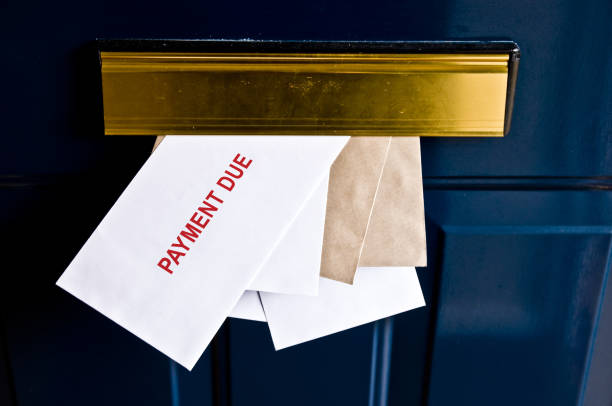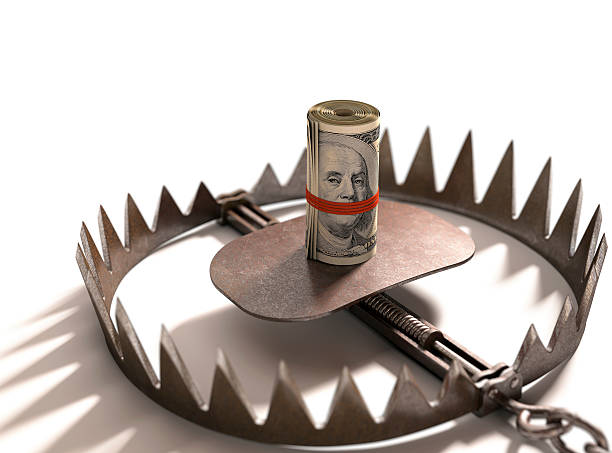
If you have ever opened a credit card statement and seen the line that says “minimum payment due,” you might have felt a small wave of relief. Only twenty-five dollars this month? That seems easy enough. You pay that amount, and you move on with your life. But that small number is one of the most expensive traps in personal finance. It looks like a lifeline, but for many middle-class consumers, it becomes an anchor that drags down their financial health for years.
The concept is straightforward. Credit card companies allow you to pay a small fraction of your total balance each month instead of the full amount. The minimum is usually around one to three percent of what you owe, plus any interest and fees. If you owe two thousand dollars, your minimum might be just forty dollars. That sounds manageable, especially when you have other bills, groceries, and maybe a car payment to think about. The problem is that while you are paying that small amount, the interest on the rest of your balance keeps growing.
Let us look at a real example. Suppose you have a credit card with a five thousand dollar balance and an annual percentage rate of eighteen percent. If you only pay the minimum each month, which starts at about one hundred dollars and then gradually drops as the balance falls, you will end up paying over two thousand dollars in interest alone. And it will take you more than fifteen years to pay off that five thousand dollars. Fifteen years for a debt that could have been cleared in a few months if you had paid more than the minimum. That is not a small inconvenience. That is a huge financial drag that affects your ability to save for a house, a car, or retirement.
Why do so many middle-class consumers fall into this trap? The answer often comes down to financial illiteracy. Many people do not realize how quickly compound interest works against them. They see the minimum payment as a normal and acceptable way to manage debt, partly because credit card companies design it that way. The statements are crafted to make the minimum payment look like the expected behavior. Some people even think that paying the minimum is actually good for their credit score. While it is true that making at least the minimum payment each month keeps your account in good standing, it does nothing to help you escape the debt itself. Your credit score only cares that you are paying something. It does not care how much you still owe or how much interest you are wasting.
Another reason people rely on minimum payments is that they simply do not have the cash to pay more. That is a different kind of problem, but it is still linked to financial literacy. If you do not understand how credit works, you may not realize that using a credit card for everyday expenses when you cannot pay the full balance is a dangerous habit. The card becomes a short-term loan with very high long-term costs. Middle-class families often use credit cards to cover gaps in their income or unexpected expenses, and then they get stuck in the minimum payment cycle. It becomes a routine: pay the minimum this month, then use the card again next month for something else. The balance never really goes down.
There is also a psychological aspect. Paying the minimum feels like progress because you are sending money to the credit card company. But it is mostly just covering the interest. You are working hard to stay in the same place. Over time, this can lead to frustration and a sense of hopelessness. Some people give up and stop trying to pay more, which only makes the problem worse. If you do not understand the math, you might think that the debt is just too big to handle, when in fact a disciplined plan could get you out in a reasonable amount of time.
The good news is that you do not need a degree in finance to escape this trap. The first step is understanding that the minimum payment is not a plan. It is a last resort. The second step is to look at your own statement and figure out exactly how much interest you are being charged each month. That number is often right there on the bill. If you see that your minimum payment is barely covering the interest, you know you are in trouble. The third step is to commit to paying as much as you can above the minimum, even if it is just an extra twenty dollars. Every extra dollar goes directly toward reducing the principal, which is the actual amount you borrowed. That reduces future interest charges.
Another strategy is to stop using the card altogether while you are paying it down. If you keep adding new purchases, you will never get ahead. You can also call your credit card company and ask for a lower interest rate. It works surprisingly often for people with decent payment history. A lower rate means more of your payment goes toward the balance instead of interest.
Ultimately, the minimum payment is a test. It tests whether you understand the real cost of credit. If you pass the test, you avoid years of unnecessary interest and free up money for things that matter. If you fail, you stay stuck. That is why financial literacy matters so much. Knowing how minimum payments work is not about memorizing formulas. It is about protecting yourself from a system that is designed to keep you paying as long as possible. The more you know, the easier it is to break the cycle.