When you owe money on multiple credit cards, personal loans, or other debts, it can feel like you are drowning. The monthly payments pile up, the interest charges keep ticking, and it is hard to see a way out. Many people try to pay off the smallest balance first because it feels good to eliminate one account quickly. That approach is called the debt snowball method, and while it works for some, it often costs you more money in the long run. There is a smarter, more efficient alternative called the debt avalanche method, and if you are a middle-class consumer with some financial discipline, it is the best way to reduce your total interest paid and get out of debt faster.
The debt avalanche method is simple. You list all your debts from the highest annual percentage rate (APR) to the lowest. Each month, you make the minimum payment on every single debt. Then, you take any extra money you can spare and put it all toward the debt with the highest interest rate. Once that debt is gone, you move the entire amount you were paying on it to the next highest interest rate debt. You repeat this process until every debt is paid off. The logic is that high-interest debts are the most expensive, so eliminating them first stops the fastest bleeding. This strategy minimizes the total interest you pay over time, which means more of your hard-earned money stays in your pocket.
Why does this matter for a middle-class consumer? Because every dollar you pay in interest is a dollar you cannot save for a down payment on a house, invest for retirement, or spend on something that actually improves your life. Credit card interest rates in the United States often range from 18 percent to 25 percent or higher. Paying off a card with a 22 percent rate before a card with a 10 percent rate can save you hundreds or even thousands of dollars over the life of your debt. That is real money that can go toward building an emergency fund, funding your child’s education, or simply reducing financial stress.
One common fear about the debt avalanche method is that it takes longer to see progress because the highest interest debt might also be one of your larger debts. You might not pay it off for many months. This can feel discouraging. But the goal here is not emotional satisfaction in the short term. The goal is to minimize the total cost of your debt. If you are patient and stick with the plan, the math works in your favor. To stay motivated, consider tracking your total interest saved. You can use a simple spreadsheet or a free online calculator. Watching that number grow can be just as satisfying as crossing a small balance off your list.
Another concern is that this method requires you to have a clear picture of your interest rates. Many people do not know the APR on their credit cards or loans. You need to find out. Look at your monthly statement, log into your online account, or call the lender. Write down the rate next to each balance. If two debts have the same rate, prioritize the one with the smaller balance, just to give yourself an early win. But always start with the highest rate first.
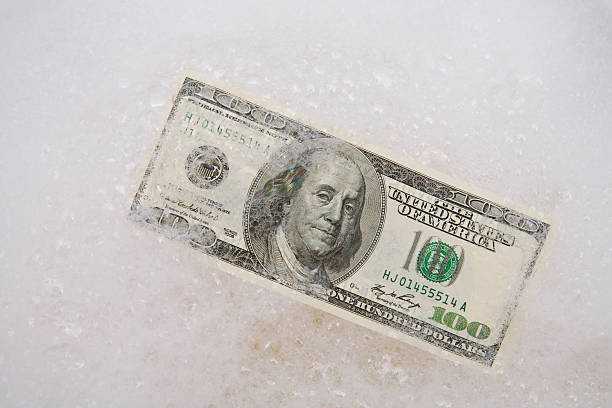
The debt avalanche method works best when you also take steps to prevent new debt from piling up. That is where prevention strategies come in. Before you start your avalanche, make sure you have a basic emergency fund of at least one month of expenses. Otherwise, an unexpected car repair or medical bill could force you to use credit cards again, undoing your progress. Also, consider freezing your credit cards in a block of ice or locking them in a safe. The idea is to make it inconvenient to use them while you are paying down debt. If you cannot control your spending, no repayment method will save you.
It is also important to understand that the debt avalanche method is not just for credit cards. It works for student loans, auto loans, personal loans, and even medical debt. The same rule applies: pay off the highest interest debt first. But be careful with federal student loans because they may have special repayment plans or forgiveness options. Always check the terms before prioritizing them. For private loans and credit cards, the avalanche is almost always the correct choice.
You might wonder how much extra money you need to make this work. Ideally, you should aim to put at least 10 to 20 percent of your monthly income toward debt repayment beyond the minimums. If that is not possible right now, start smaller. Even an extra fifty dollars a month on your highest rate card will make a difference. The key is consistency. Do not chase the cheapest debt because it feels good. Chase the most expensive debt because it hurts your wallet the most.
The debt avalanche method is a prevention strategy in disguise. By paying off high-interest debt quickly, you prevent that debt from growing and suffocating your budget. You prevent yourself from falling into a cycle of minimum payments that last for years. You prevent the stress of watching your balances barely move each month. And you prevent the need to borrow more money later because your income is tied up in interest payments.
If you are ready to take control of your finances, start today. List your debts by interest rate. Make your minimum payments. Put every extra dollar toward the one with the highest rate. Then repeat. It is not glamorous, but it is honest math. And in the long run, it will leave you with more money, less anxiety, and a stronger financial future.