Most people think budgeting means staring at a spreadsheet and feeling guilty about every coffee purchase. But the reality is that the best budget is the one you actually follow. For middle-class consumers trying to protect their credit, one of the most effective methods is also one of the oldest: the envelope system. It eliminates guesswork, removes the temptation to swipe a card, and forces you to live within your means before your credit score ever gets involved.
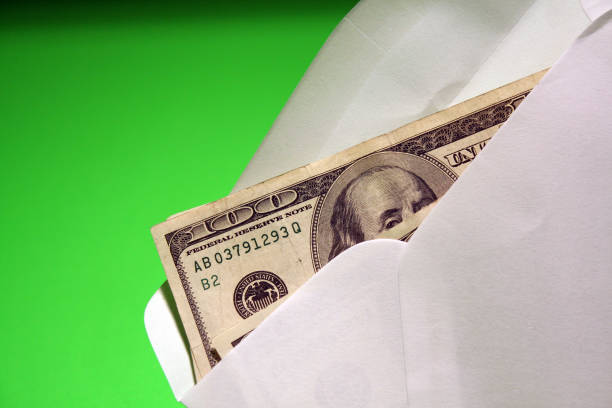
The idea is painfully simple. You decide how much you can spend on certain categories each month—groceries, dining out, entertainment, gas, clothing, personal care. You withdraw that amount in cash, put the cash into separate envelopes labeled for each category, and then you only spend what is in that envelope. Once the cash is gone, you stop spending in that category until the next month. That is the whole system.
Why does this work for managing credit? Because the single biggest threat to a good credit score is carrying a balance on a credit card. When you use cash, you cannot spend money you do not have. You cannot accidentally overspend on groceries and rely on a credit card to cover the gap, then forget to pay the bill in full, then watch your utilization ratio climb. The envelope system removes that chain of events before it starts.
The typical middle-class household has plenty of income but struggles with leaks. You look at your bank account and think you have money left, so you order takeout again. But that takeout might be the difference between paying your credit card balance in full and carrying a small amount over. Small overspends add up to bigger problems over time. The envelope system makes those leaks visible because you literally see the cash leaving your hand and the envelope getting thinner.
To set it up, you first need a realistic budget. Do not guess. Look at your last three months of bank and credit card statements and find out what you actually spend on the categories you want to control. Then set a number that is slightly lower than your average, but still reasonable. If you usually spend six hundred dollars a month on groceries, set your envelope at five hundred and seventy-five. That small cut is painless, but over a year it saves you three hundred dollars. More importantly, it trains you to think before you buy.
Once you have your numbers, go to the bank and withdraw the total cash for the month. Put the money into envelopes. Write the category name on the outside. When you go to the store, take only the envelope you need. When the cash is gone, you are done. If you want to eat out but the dining envelope is empty, you cook at home. If you need gas but the gas envelope is low, you combine errands into one trip. This is not punishment. It is awareness.
A common concern is that cash is inconvenient or that you lose the rewards you get from credit cards. That is a fair point. But consider this: the average middle-class consumer earns about one to two percent back in rewards, but if you carry even a small credit card balance, the interest can be eighteen to twenty-five percent. You are losing far more than you gain. The envelope system lets you switch to cash for the spending categories that cause trouble, while still using credit cards responsibly for fixed bills like utilities or subscriptions that you pay off in full every month. You keep the rewards where they help and avoid the debt where it hurts.
Another worry is theft or loss. Cash can be stolen, but so can credit card numbers. The difference is that if you lose an envelope with one hundred dollars, you are out one hundred dollars. If someone steals your credit card information, you could be dealing with fraud, chargebacks, and a temporarily frozen account. Both are bad, but losing physical cash rarely damages your credit score. A data breach can.
The envelope system also works well for couples. Many arguments about money come from different spending habits. If you have separate envelopes for personal spending, each partner gets their own cash to use however they want. No judgment. No tracking. When it is gone, it is gone. This removes the tension and allows both people to feel in control of their own small decisions while still staying within the overall family budget.
For the middle-class consumer, the goal is not to live like a monk. The goal is to avoid the slow creep of debt that erodes your credit score over time. The envelope system is a prevention strategy. It stops the problem before it starts. You do not need to check your credit score daily if you never overspend. You do not need to worry about utilization ratios if you never carry a balance. The protection happens automatically.
Start small. Pick two categories you currently overspend on the most. Maybe eating out and entertainment. Get two envelopes. Try it for thirty days. At the end of the month, look at your credit card statement. You will likely see a smaller balance. That is the beginning of a better relationship with credit. And it all started with a simple system and a stack of cash.