It starts innocently enough. You get a promotion, a small raise, or maybe a tax refund. Suddenly you notice your three-year-old phone feels slow, your car’s interior looks dated, and the kitchen countertops in your apartment seem a little worn. The thought creeps in: “I deserve an upgrade.” Before you know it, you’ve signed a new lease on a luxury SUV, bought the latest smartphone on a payment plan, and ordered new furniture on a store credit card. This is lifestyle inflation in its most common form, and it’s one of the biggest threats to your long-term financial health.
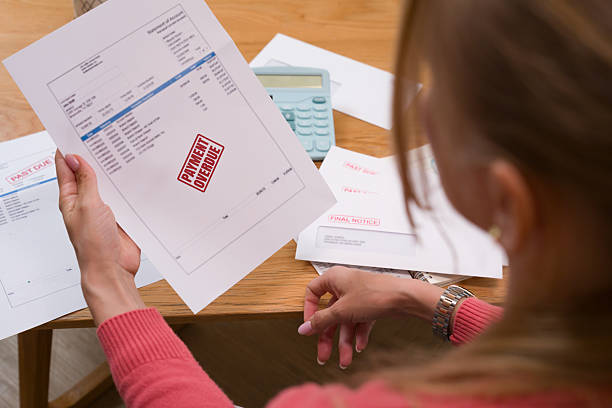
The trap of constant upgrades is that each one feels justified in the moment. A newer car gets better gas mileage, a bigger house offers more space for a growing family, and a nicer wardrobe helps you make a good impression at work. But when you stack one upgrade on top of another, your monthly expenses climb faster than your income. What used to be a comfortable cushion in your budget starts to shrink. You begin using credit cards to cover gaps, carrying a balance month after month. Before long, your credit score takes a hit because your credit utilization ratio rises, and you might miss a payment if an unexpected expense pops up.
Middle-class consumers are especially vulnerable to the upgrade trap because they often have just enough income to qualify for larger loans and credit lines. Lenders see a stable salary and offer you a car loan for a model two tiers above what you need. Credit card companies send pre-approved offers for cards with higher limits, making it easy to finance a vacation or home renovation. The system is designed to encourage you to upgrade, because each upgrade generates more interest and fees for financial institutions. Your job is to recognize that the upgrade itself is rarely the problem. The problem is the habit of upgrading everything, all the time, without accounting for the cumulative effect on your monthly cash flow.
Consider the math behind a typical upgrade cycle. Suppose you buy a new car for thirty thousand dollars, financing it over five years at six percent interest. Your monthly payment is about five hundred and eighty dollars. Two years later, you trade it in for a forty-thousand-dollar model. You still owe twenty-three thousand on the first loan, but the dealer rolls that negative equity into the new loan. Now you’re financing forty thousand plus the leftover debt, plus interest, and your payment jumps to seven hundred and fifty dollars a month. Over the course of that new loan, you will pay thousands more in interest than if you had kept the original car for its full term. And that’s just one upgrade.
Now layer on a bigger apartment or house. Rents and mortgages for upgraded properties often come with higher utility bills, higher property taxes, and more maintenance costs. You might need to buy new appliances or hire a lawn service. Each of these adds a few hundred dollars to your monthly outlay. Then there are the smaller upgrades: the streaming bundle that includes premium channels you never watch, the gym membership with a sauna you rarely use, the meal kit delivery service that costs twice as much as grocery shopping. Individually, none of these seem expensive. Together, they can easily consume an extra one to two thousand dollars a month that could otherwise go into savings, investments, or debt repayment.
The most dangerous aspect of the upgrade trap is that it feels like normal progress. Society tells you that moving up means buying better, newer, and more expensive things. Your friends and coworkers are doing the same, and social media shows everyone enjoying the latest gadgets and vacations. But what you don’t see is the credit card debt they might be carrying, or the fact that many of those upgrades are financed with high-interest loans. The middle class can afford the payments on an upgraded lifestyle, but that doesn’t mean the lifestyle itself is affordable over the long term. When an economic downturn comes, or a medical emergency hits, the people who upgraded everything often face the hardest falls because they have no financial buffer.
How do you break the cycle? Start by defining what “enough” looks like for you. Write down a list of the things you truly value, like time with family, travel, or financial independence. Then compare each potential upgrade against that list. Does a nicer car really bring you closer to those values, or is it just a status symbol? Can you maintain your current home and still feel content? Ask yourself whether the upgrade will genuinely improve your quality of life or simply raise your monthly obligations. Often the answer is the latter.
Another practical step is to implement a waiting period for any purchase over a certain dollar amount. Wait thirty days before buying a new phone or a piece of furniture. During that time, research the total cost of ownership, including insurance, maintenance, and financing. More often than not, the urgency fades, and you realize you can make do with what you have. You can also practice paying cash for upgrades instead of using credit. When you have to hand over real money, the pain of spending feels much sharper, and you become more selective.
Finally, redirect the money you would have spent on upgrades into savings and investments. Set up automatic transfers to a high-yield savings account or a retirement fund. When you see your net worth growing instead of your monthly bills, the satisfaction of financial security far exceeds the brief pleasure of a new purchase. The upgrade trap is tempting, but it is not inevitable. By recognizing how constant upgrades fuel lifestyle inflation and damage your credit health, you can make deliberate choices that keep your finances stable and your future bright.